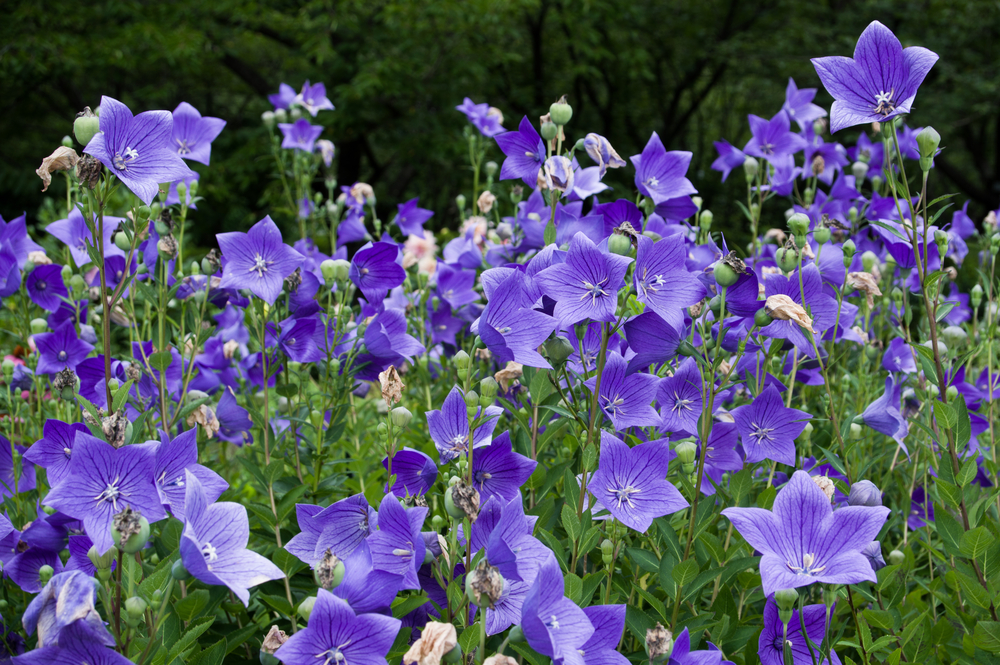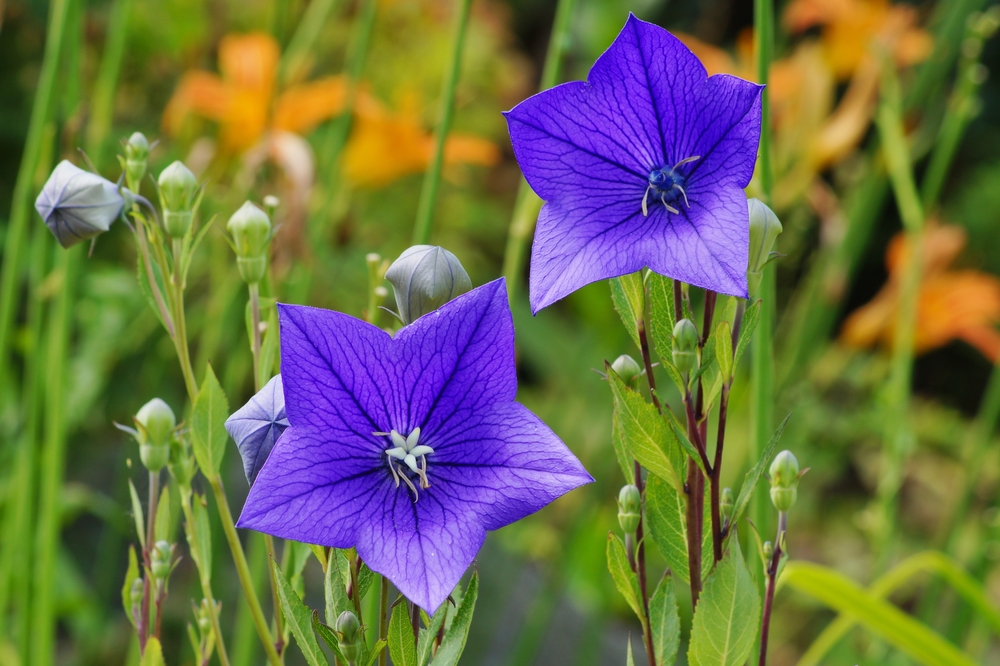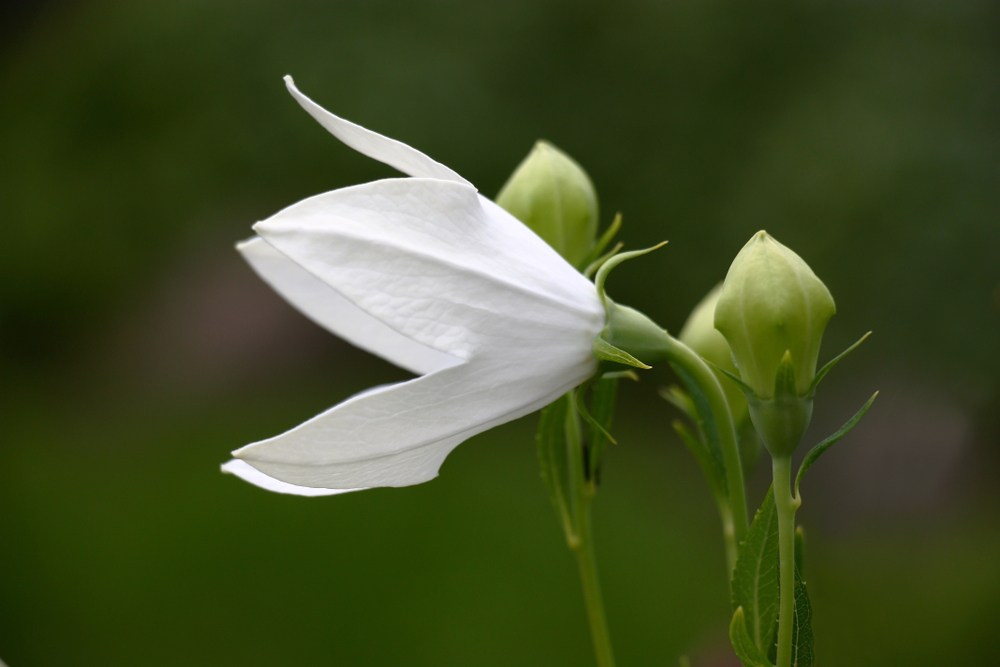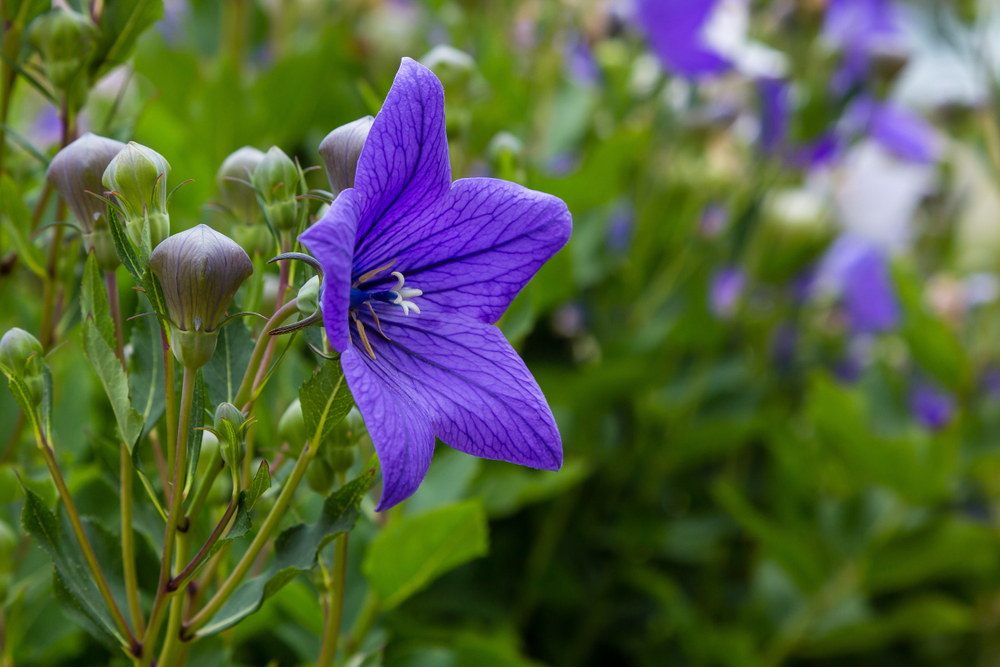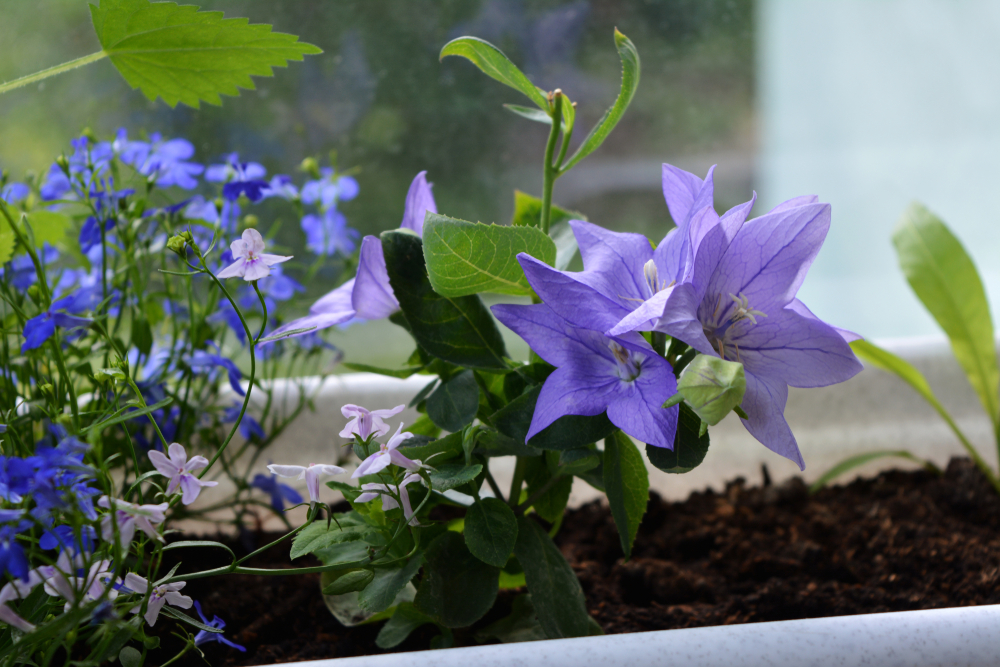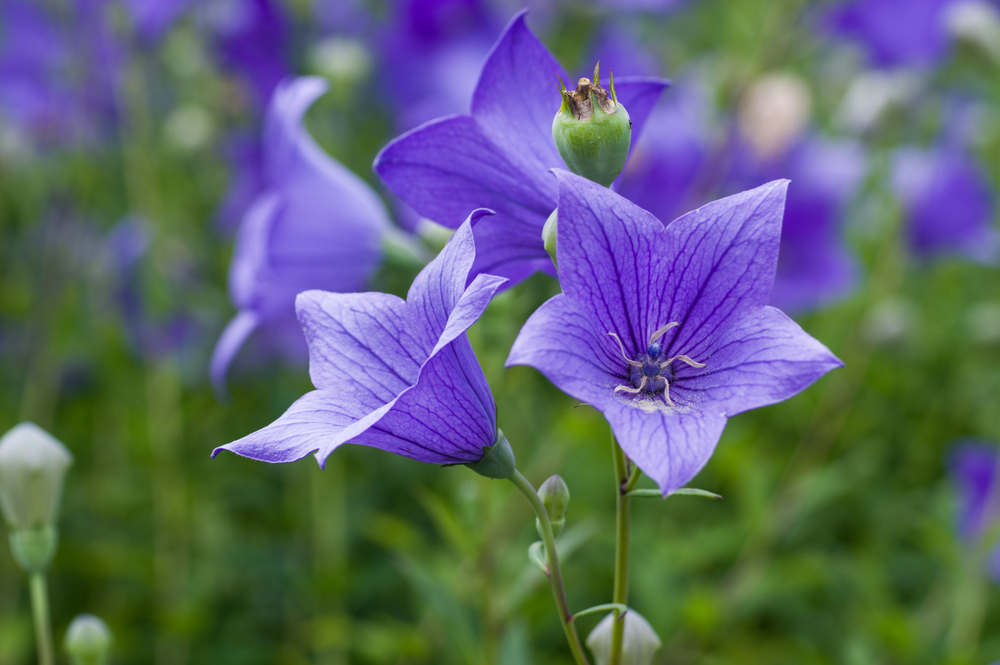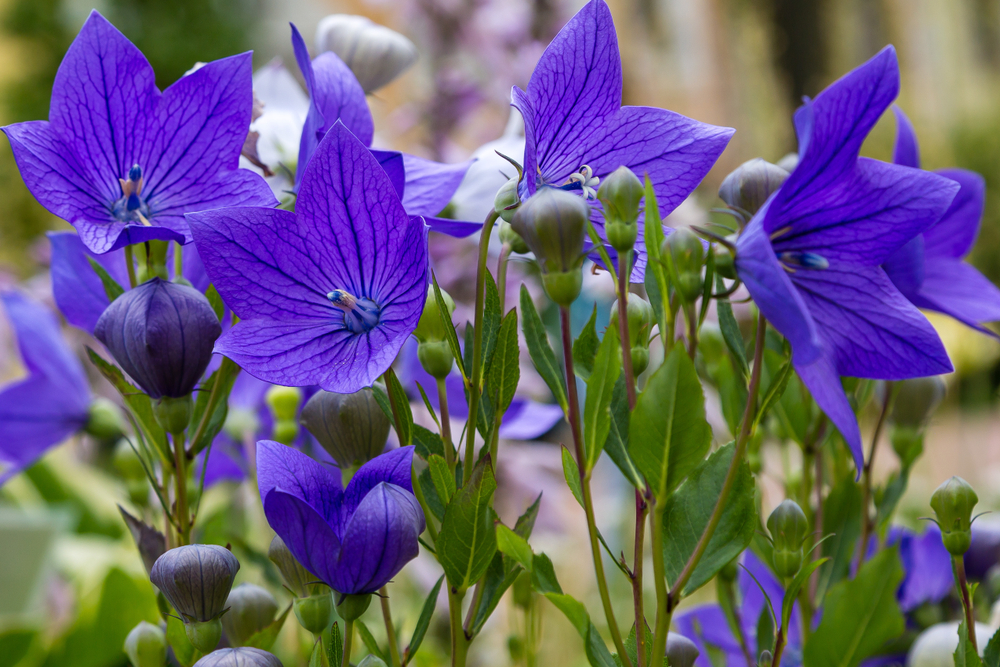
Usually, when it comes to garden plants, the rules for sun exposure are pretty cut and dry. You either stick them in full sun or tuck them away in the partial shade. But with the Balloon Flower (*Platycodon grandiflorus*), things are a little more nuanced. It actually depends on which variety you’re growing!
It’s All About the Bloom Color
Here’s a cool rule of thumb: the darker the flower, the more sun the Balloon Flower can handle. If you’ve got the classic deep blue or purple varieties, feel free to give them a sunny spot in your garden. However, if you’re planting white or pink varieties, they’ll usually be much happier in partial shade. Another fun fact? The intensity of the color can actually change during the blooming season. Generally, the more sun the plant gets, the more vibrant and intense those colors will pop.
Soil Preferences: A Little Something Different
While they might disagree on sunlight, Balloon Flowers are all on the same page when it comes to soil. Interestingly, they are among the few garden plants that actually prefer lime-rich (alkaline) soil. This means you don’t have to worry about using filtered water or rainwater; tap water is usually just fine! Just keep in mind that your watering schedule will depend on the location—plants baking in the full sun will obviously get thirstier than those in the shade.
Keep That Soil Well-Drained
No matter where you plant them, good drainage is non-negotiable. Balloon Flowers are a bit like Goldilocks—they hate being bone-dry, but they absolutely can’t stand “wet feet” (standing water). To keep them happy, I recommend mixing a little sand into the soil when you plant them to help with drainage. These beauties also need plenty of nutrients to fuel those unique, balloon-like buds. If you’re growing them in containers on the balcony, a standard liquid fertilizer works great. For garden beds, try mixing in some natural boosters like:
- Well-aged compost
- Horn shavings or bone meal