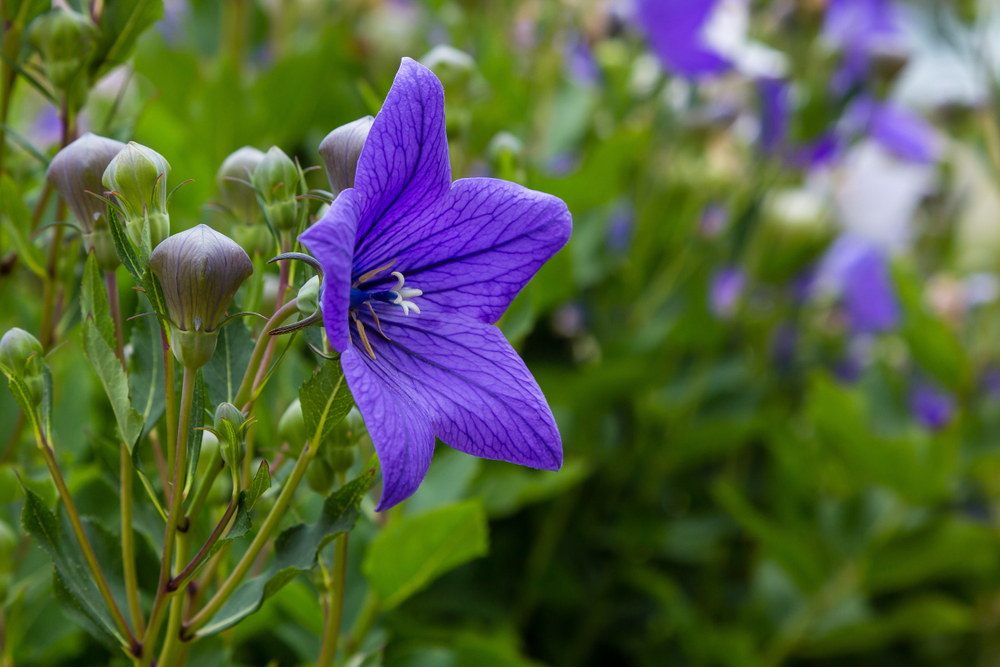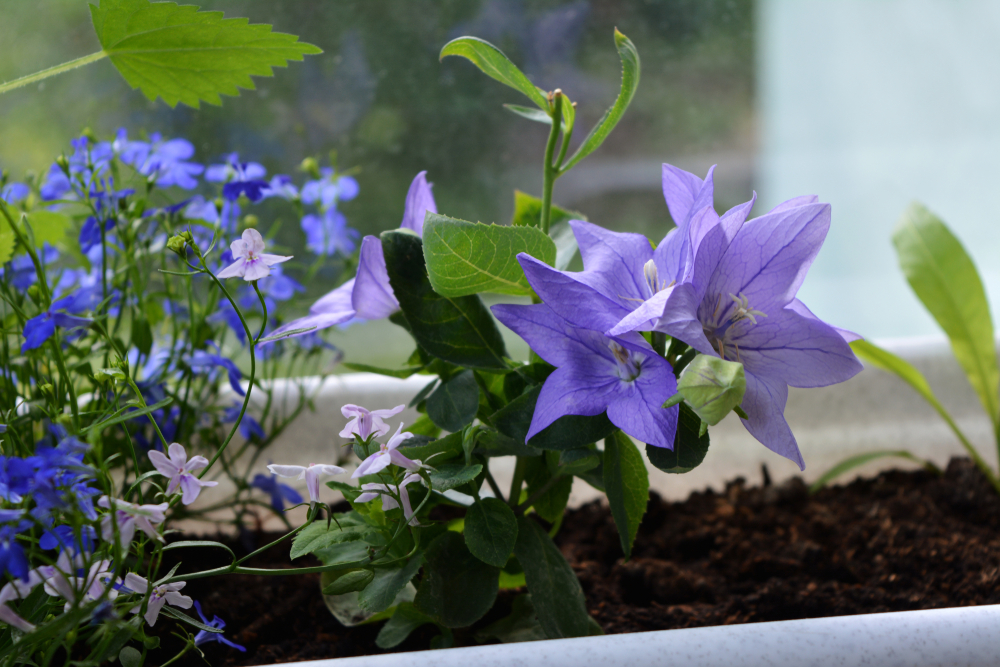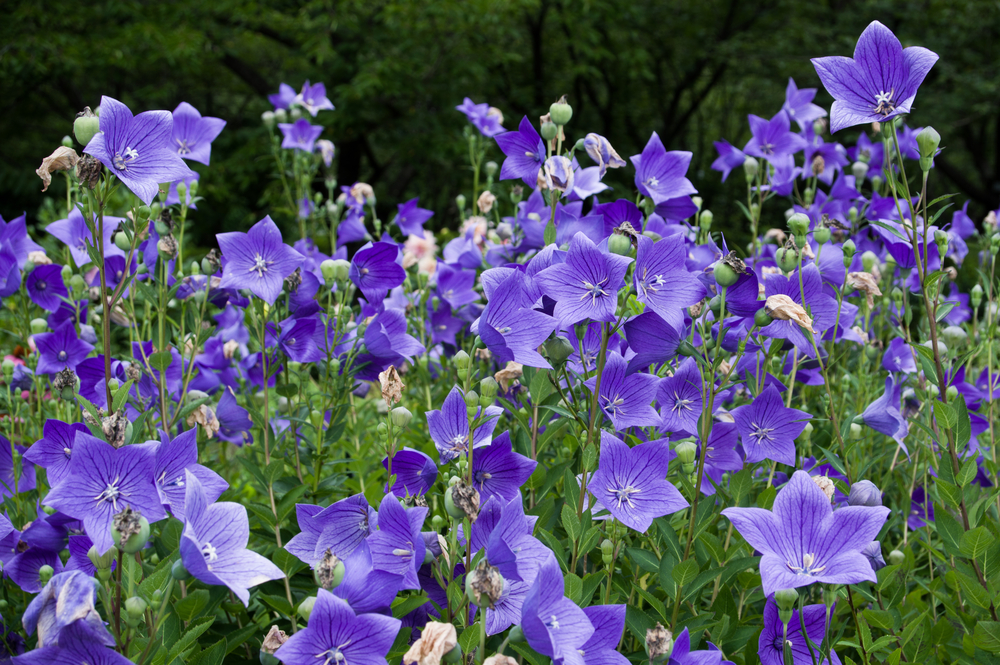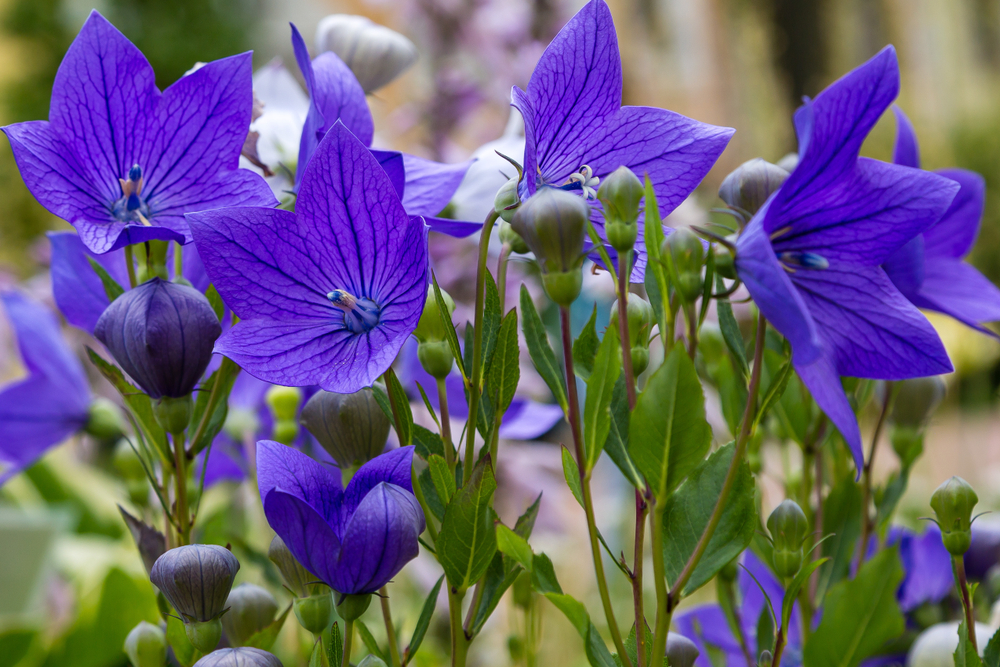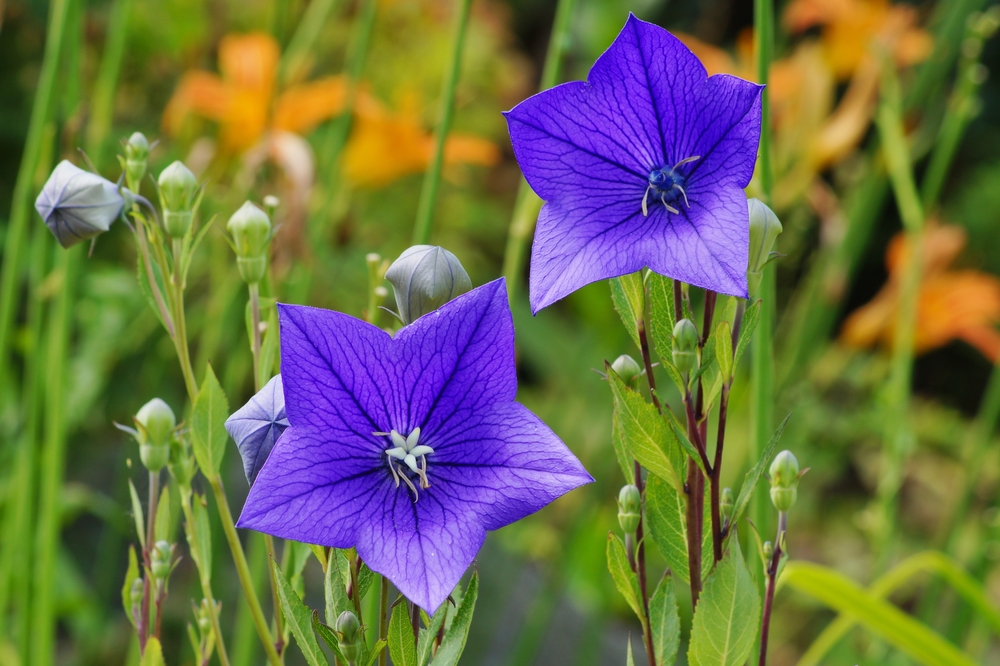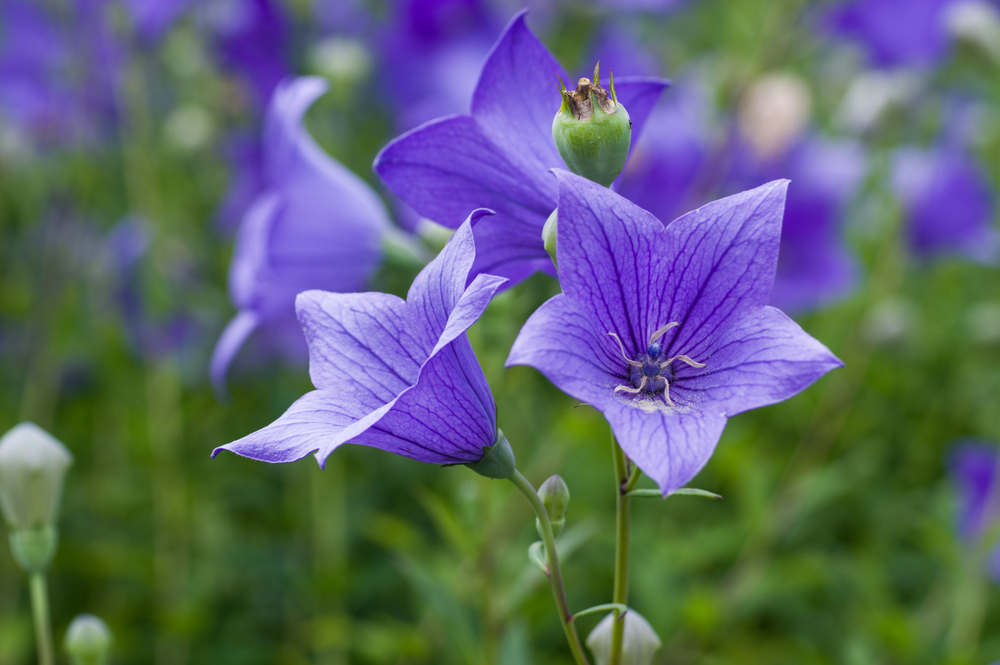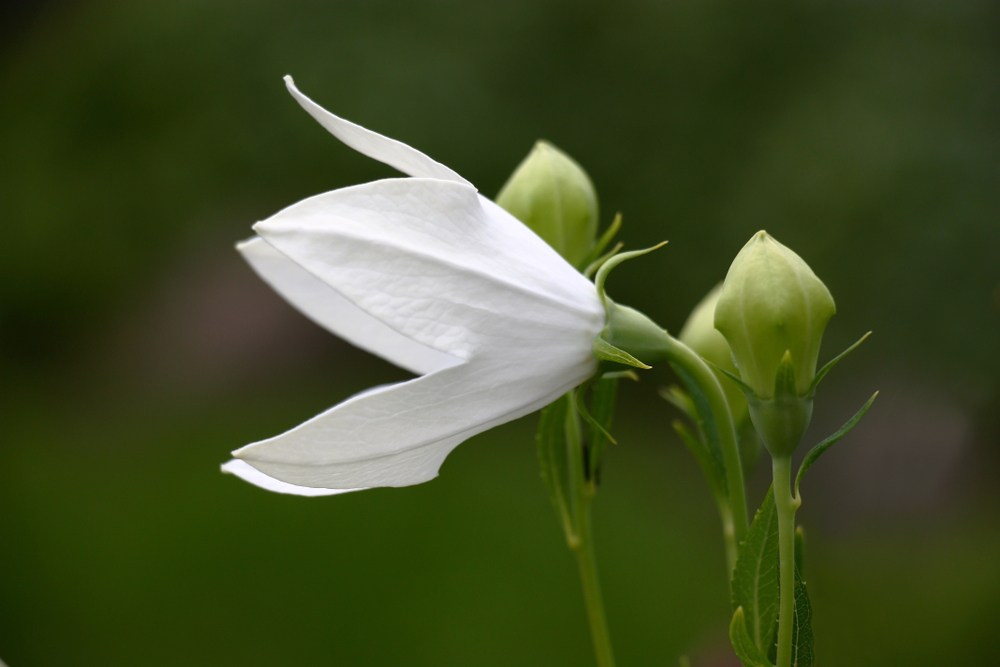
Exotic plants with stunning blooms usually come with a catch: they just can’t hack it outdoors during a typical cold winter. Usually, that means you’re either replanting every single spring or digging them up to haul them inside. But let me tell you about the Balloon Flower—this little beauty is a total game-changer.
No Sweat Outdoors
In the gardening world, “hardy” can be a bit of a loose term. Sometimes a plant is labeled hardy if it can survive a light dusting of frost. But the Balloon Flower? It’s the real deal. These plants can handle temperatures dropping down to -5°F without breaking a sweat. In fact, some Chinese Bellflowers (as they’re also known) have been known to survive snaps as low as -15°F!
A Heads-Up for Container Gardeners
Even though they’re tough, Balloon Flowers can still run into trouble during the winter, especially if you’ve got them growing in pots on your balcony. Since containers don’t offer the same insulation as the ground, it’s a good idea to bring your potted plants inside for the season. A greenhouse or an unheated sunroom is perfect. If you don’t have a spot indoors, you’ll want to wrap the pots in insulating material to keep the roots safe. Burlap, garden fleece, or even bubble wrap works wonders.
Location, Location, Location
If you’ve planted yours in a garden bed, winter is when you’ll find out if you picked the right spot. It’s not just about the cold; it’s about protection from the elements. Constant freezing rain and biting winds can actually do more damage than a quick, deep freeze.
Keep in mind that young plants are a bit more sensitive than the established ones. If you’ve got “babies” in the ground, it’s a smart move to protect the root systems from heavy frost. You can easily tuck them in for the winter using:
- Bark mulch
- Dry leaves
- Brush or evergreen branches