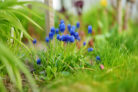
Thinking about growing your own Bluebells from scratch? If you’re ready to get your hands on some seeds, you’re in the right place! But you might be wondering: where exactly are those tiny seeds hiding? And do you actually need to help them along, or does nature (and a little breeze) do all the work for you? I’ve got all the answers you need right here.
Seed Characteristics and Appearance
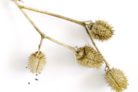
- Tucked away inside a three-lobed capsule
- Each chamber holds anywhere from 3 to 30 seeds, depending on the variety
- Pretty low-key looking
- Perfectly spherical
- Deep, jet black
- No “wings” (they don’t fly away like dandelion seeds!)
- A subtle, shiny finish
- Smooth texture
When to Harvest
Bluebell seeds ripen in early summer within the fading flower stalks. Generally, you can start collecting them around July. A pro tip for timing: keep an eye on the leaves—once they start turning yellow, the seeds are usually ready to go.
How to Grow Bluebells from Seed
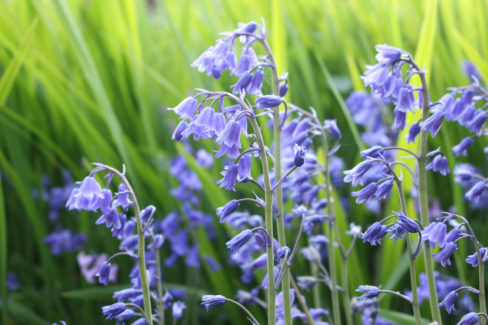
With those stunning sky-blue blooms, it’s no wonder you’d want more of them in your yard! Here’s how to get the best results:
Picking the Right Spot
Bluebells are “dark and cold germinators,” meaning they love the cool shade under trees and shrubs. Since they thrive in partial to full shade, they’re the perfect solution for adding a pop of color to those dark corners of the garden where other plants usually struggle.
The Perfect Soil
Your soil should be:
- Rich in organic matter (humus)
- Nutrient-dense
- Loose and airy
- Slightly acidic
Step-by-Step Guide
I recommend starting your seeds indoors on a windowsill. You can get a head start in late October, or wait until early spring (between February and March).
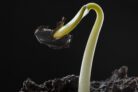
- Plant the seeds about 1/2 inch (1 cm) deep in seed-starting mix.
- Keep them in a warm room for 2 to 4 weeks.
- Make sure the soil stays consistently moist.
- After 4 to 6 weeks, move them outside to a balcony or patio where they can experience a “chill” (between 25°F and 40°F / -4°C to 4°C).
- Transplant them into your garden beds in May.
- Space the plants about 3 to 4 inches (8-10 cm) apart.
Self-Seeding
If your Bluebells are happy, they’ll usually take care of the “multiplication” part themselves! While a few extra flowers are great, keep an eye on them so they don’t take over—they can turn into a full-blown carpet faster than you think. Also, a quick safety note: keep in mind that Bluebell seeds are toxic, so handle them with care if you have pets or little ones around!