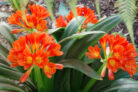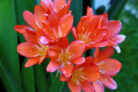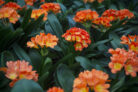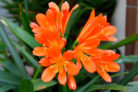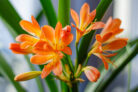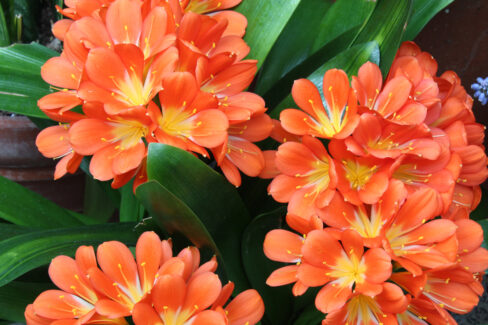
Growing a Clivia from seed is definitely a marathon, not a sprint. It takes a lot of patience, and you’ll be waiting a few years before you see those first iconic blooms. That said, if you’re looking for a fun way to test your green thumb, it’s a super rewarding project!
How do you get Clivia seeds?
You can always pick up seeds at a local garden center or order them online, but if you already have a Clivia at home, you can harvest your own. Since Clivias are usually kept indoors where there aren’t many bees buzzing around, you’ll need to play Mother Nature and do some hand-pollinating with a small paintbrush to get those seeds to form.
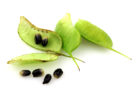
Keep in mind that only fully ripe seeds will actually grow. You’ll know they’re ready when they start to sprout while still attached to the mother plant—that’s your cue to harvest and get them in the dirt immediately. Just a heads-up: it can take several months for the seeds to reach this stage.
If you bought your seeds or they haven’t sprouted on the plant yet, it’s a good idea to pre-germinate them. Just tuck them between two layers of damp paper towels until you see signs of life, or let them soak in a bowl of water for about 24 hours before planting.
How do I plant Clivia seeds?
Once your seeds are ripe and ready, the actual planting is pretty straightforward. Just follow these simple steps:
- Fill a small pot with a high-quality seed-starting mix.
- Place one seed in the center. A good rule of thumb is to plant it about twice as deep as the seed is wide.
- Give it a light watering to settle the soil.
I highly recommend giving each seed its own individual pot. This saves you from having to move them too soon and prevents any accidental root damage when it’s finally time for repotting.
How do I care for my baby Clivias?
Young Clivias are a bit sensitive to overwatering, so keep the soil moist but never soggy to avoid rot. For the best results, try using:
- Collected rainwater
- Filtered or low-calcium water
- Tap water that has sat out overnight
If your water is too “hard” (high in lime/calcium), you might notice the leaves turning yellow. Find a bright spot for your plant, but avoid harsh, direct sunlight which can scorch the tender leaves. As your Clivia gets bigger, you can start introducing a little fertilizer to help it thrive.