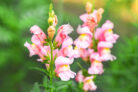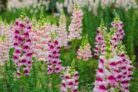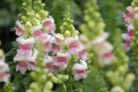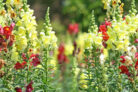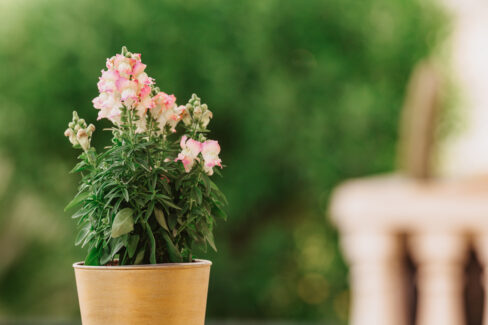
Snapdragons are absolute rockstars in the garden, aren’t they? Not only do they bloom for what feels like forever, but the variety of colors is just stunning. If you want to see those gorgeous “dragon jaws” popping in your garden during their very first year, your best bet is to start your seeds indoors.
A Quick Note on Seed Choice
Starting snapdragons from seed takes a little bit of effort, so you want to make sure you’re starting with the right variety. When you’re shopping for seeds, keep an eye out for “F1 Hybrids.” These hybrids grow super fast and are bred to pump out a ton of flowers quickly, even if you sow them directly in the ground. However, they are usually treated as annuals, meaning they’ll be done for the season once fall hits. If you want the classic, heirloom experience, stick with the standard varieties.
How to Get Started
The best part about starting indoors is that you can get a head start as early as February. Here’s my step-by-step guide to getting those seedlings going:
- Grab some seed-starting trays or small pots and fill them with a high-quality seed-starting mix.
- Gently place your seeds on the surface. Try to space them out individually.
- Pro tip: Don’t bury them! Snapdragons are “light germinators,” meaning they need light to wake up. Just a very light dusting of soil or a gentle press into the dirt is plenty.
- Use a spray bottle to mist the soil. You want it damp, not soggy.
- Find a nice, sunny spot for your pots.
To speed things up, try to keep the temperature around 68°F (20°C). I like to create a mini-greenhouse effect by popping a clear plastic bag over the pots to keep the humidity in.
Harvesting Your Own Seeds
If you already have snapdragons brightening up your yard, you can actually harvest your own seeds once they’re ripe! Just remember: this works best with non-hybrid varieties, as F1 Hybrid seeds are often sterile and won’t grow.
One little trick to remember with home-harvested seeds is that they need “stratification.” This basically means they need a little winter nap to germinate properly. After you collect them, keep them in the refrigerator for a few weeks before you plan on planting. It mimics the natural change of seasons and tells the seeds it’s time to grow!