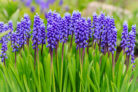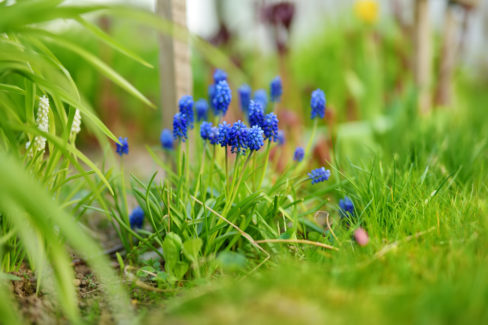
Most people focus on those gorgeous, cone-shaped blooms, but the real magic of the Grape Hyacinth is actually hidden deep inside. There’s a tiny treasure in there that keeps these beauties coming back year after year. Today, we’re diving into everything you need to know about the humble Grape Hyacinth seed—including a few fun facts that might surprise you!
Appearance and Characteristics
- Tucked inside three-part seed capsules
- Usually one or two seeds per chamber
- Tiny! Only about 2.5 mm long
- Egg-shaped to round
- Deep black in color
Harvesting Your Own Seeds
Thinking about adding more Grape Hyacinths to your garden? Growing them from seed is a fantastic way to go. While you can buy seed packets at the store pretty much year-round, there’s something so rewarding about harvesting them yourself from your own backyard.
You can start collecting seeds as soon as the flowers fade, which usually happens by early summer. Keep an eye out starting in May or June for dry, papery seed pods. You’ll know they’re ripe and ready when the pods start to crack open slightly. You have to be quick, though—once they open, the wind will do the planting for you!
How to Do It
Grab a sharp pair of garden shears or a knife and cut the entire stalk off. If you try to pick the pods individually, those tiny seeds are likely to spill out and get lost in the dirt.
Find a dry, sheltered spot indoors and spread out some plain white paper (avoid newspaper, as the ink can be messy). Shake the contents of the pods onto the paper. Those little black seeds will pop against the white background, making them easy to see.
Store your harvest in a sealed glass jar or a simple paper envelope. When fall or the following spring rolls around, you’ll be ready to plant.
These seeds love to germinate in moist soil at around 60°F (15°C). Before you know it, you’ll have a fresh batch of blooms to enjoy—and you can start the whole process over again next year!
Pro Tip: Keep in mind that Grape Hyacinths are “cold germinators.” This means they actually need a period of chilly weather to wake up, so planting them in the heat of mid-summer usually won’t give you the best results.