When we talk about “bog garden” plants, we’re usually talking about species that crave acidic soil. But here’s a little pro tip: just because they love acid doesn’t always mean they need to be soaking wet! To help you plan your landscape, I’ve rounded up seven of the most popular acid-loving plants, plus a little “insider secret” favorite of mine.
[[pflanzen]]
++Purple Pitcher Plant (Sarracenia purpurea)
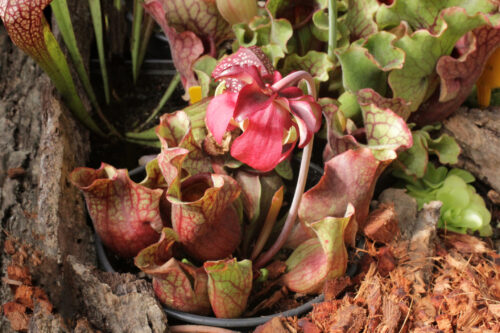
If you’re looking for something a bit exotic, this carnivorous plant is a total showstopper. Unlike some of its tropical cousins, the Purple Pitcher Plant is surprisingly frost-hardy, making it a great choice for outdoor gardens. It does love high humidity, so you’ll want to keep its spot in the bog garden consistently wet. Its leaves are modified into fascinating pitcher-shaped traps that grow directly from the roots, always reaching upward. Keep an eye out in the spring—it sends up striking red or purple flowers on tall stalks before the leaves even fully emerge!
++Cranberry (Vaccinium macrocarpon)
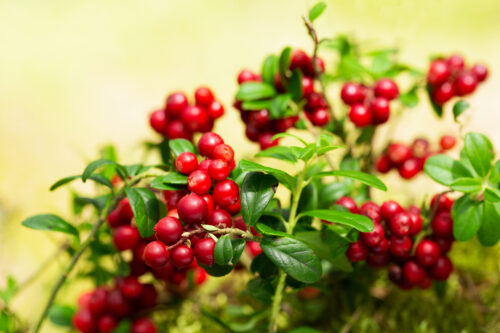
Who says a bog garden can’t be delicious? Cranberries make an excellent groundcover, sporting bright red berries that look beautiful and pack a healthy, tart punch. These hardy little plants have small, oval leaves that look a lot like their cousin, the lingonberry. In May and June, they produce delicate, bell-shaped flowers that add a soft touch to your garden beds before the fruit takes center stage.
++Heath (Erica)
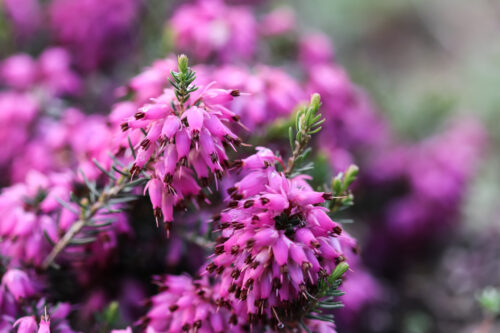
Heath is a fantastic “bridge” plant because it’s much more drought-tolerant than other bog species, making it perfect for the drier edges of your garden. Varieties like Bell Heather or Cornish Heath are classic choices that absolutely require acidic, lime-free soil (aim for a pH below 6.5). These beauties bloom from July all the way into October, usually reaching about 12 to 16 inches tall. Just give them a warm, sheltered spot, and they’ll be happy campers.
++Lingonberry (Vaccinium vitis-idaea)
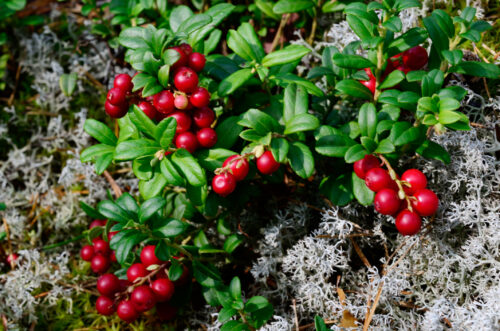
If you love a good tart jam to go with dinner, you need Lingonberries. These evergreen dwarf shrubs stay low to the ground (around 12 inches) and feature tough, dark green leaves with slightly curled edges. They’re overachievers, too—they bloom twice a year! You’ll get flowers from May to June and again from July to August. Those pretty, hanging clusters eventually turn into shiny red berries that pop against the green foliage.
++Garden Azalea (Azalea)
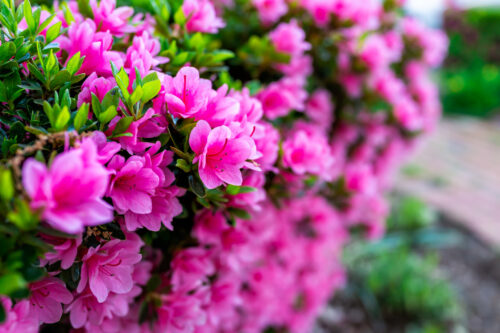
Azaleas are technically part of the Rhododendron family, but they usually stay a bit smaller and spread out more horizontally. Depending on the variety, they can grow anywhere from 1.5 to 5 feet tall. When they bloom, the trumpet-shaped flowers are so dense they look like a solid carpet of color. The secret to those massive blooms? Soil acidity. Azaleas are “acid-heads”—they want a pH between 4.0 and 5.0 to really thrive.
++Camellia (Camellia)
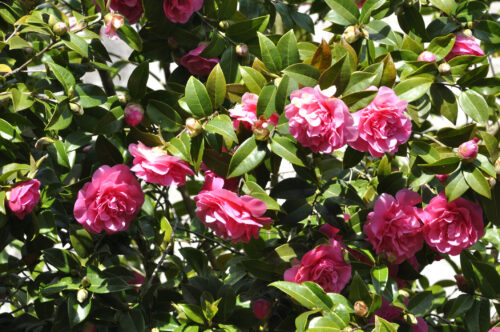
Part of the tea family, Camellias are the royalty of the garden with their elegant, lush, and vibrantly colored blooms. These upright shrubs are picky about their soil—it must be slightly acidic and virtually lime-free. If you live in a cooler climate, look for a hardy variety and plant it in a sheltered spot near the house or in the partial shade of a wall. Treat them right, and these plants can easily live to be over 100 years old!
++Rhododendron (Rhododendron)
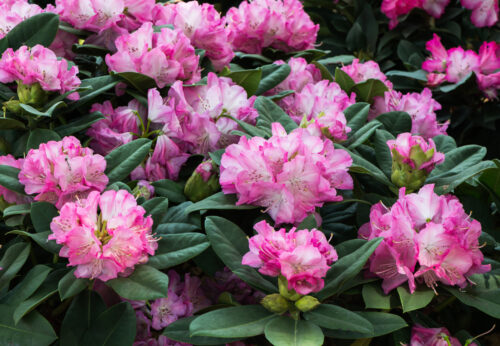
You can’t have a bog garden list without the Rhododendron. With over 1,000 species, they offer more variety than almost any other flowering shrub—even beating out roses in the color department (yes, they even come in true blues!). They need loose, humus-rich, lime-free soil to thrive. They’re at their happiest in dappled sunlight under the canopy of larger trees.
%%Green-Winged Orchid (Anacamptis morio)
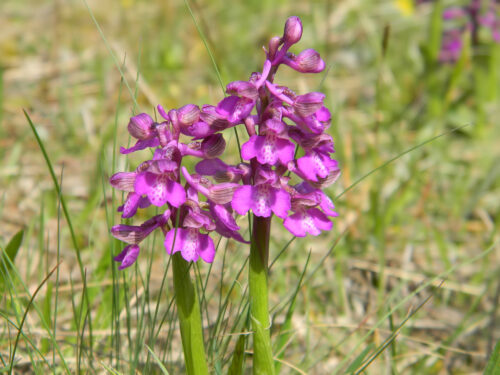
Here is my little secret: the Green-Winged Orchid. It’s one of the few wild orchids that actually does great in a home bog garden. It loves a sunny to partially shaded spot with acidic, nutrient-poor soil. This terrestrial orchid stays green through the winter and puts on a show from April to May with delicate purple, pink, or white flowers. If it likes where you’ve planted it, it will self-seed and create a stunning colony over the years.