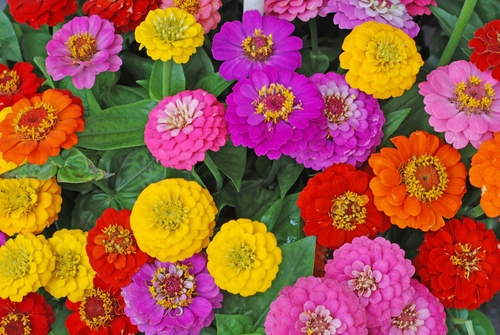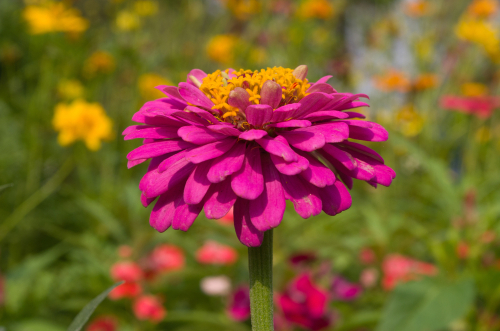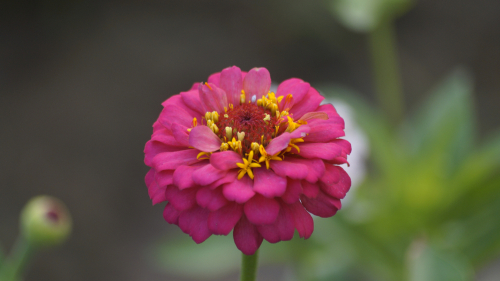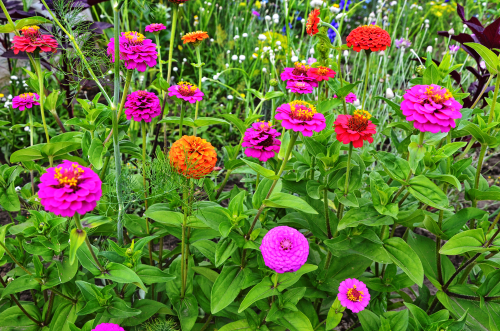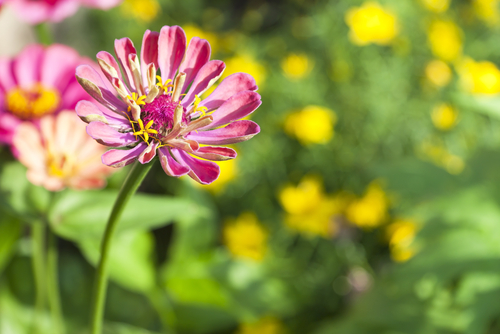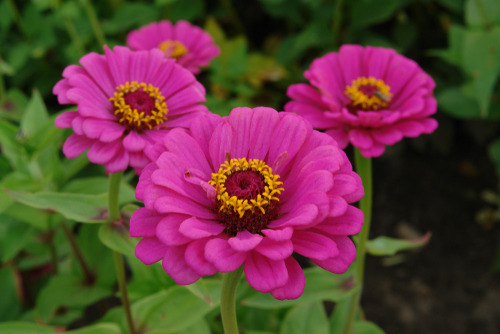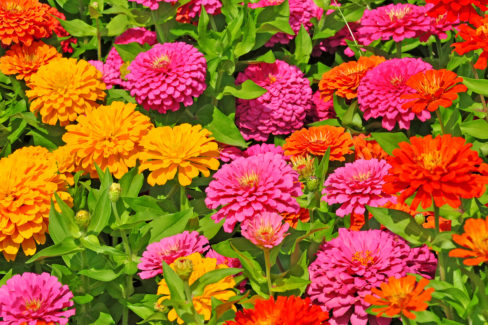
We’ve all been there: you see those gorgeous, vibrant zinnias on the seed packet and think, “I need those in my garden!” The good news? Making that dream a reality is actually pretty easy. Zinnias aren’t high-maintenance divas, but they do have one non-negotiable demand: they want a spot that reminds them of their tropical roots. If they don’t get enough light, they’ll get stingy with those beautiful blooms.
Zinnias are Total Sun-Worshippers
Zinnias originally hail from Central and South America—regions that get absolutely drenched in sunshine. To thrive in our gardens, they need that same front-row seat to the sun. You should sow your seeds starting in mid-May (once the frost is gone) in the sunniest flower bed you’ve got. While they *can* survive in partial shade, gardeners have noticed a clear trend: the more sun they get, the more flowers they produce. They’ll even happily soak up temperatures in the 90s! Just try to pick a spot protected from heavy winds so their stems don’t snap.
Quick Tip:
Zinnias are great neighbors and love sharing space with other sun-loving beauties. Try planting them alongside coneflowers (Echinacea), dahlias, snapdragons, marigolds, or cosmos for a stunning display.
Watch Out for Wet Feet
While plenty of sun fuels fast growth and big blooms, “wet feet” (standing water) is a total buzzkill for zinnias. They absolutely hate sitting in soggy soil. On the flip side, they are surprisingly drought-tolerant and usually only need a drink on those scorching summer days. To keep them happy, you need to make sure your soil drains well:
- The soil should be porous and well-draining.
- Aim for “moderately dry to fresh” moisture levels.
- They actually prefer loamy soil that isn’t too rich in humus.
- Mixing in some pebbles or sand is a great way to improve drainage.
Growing Zinnias in Containers
If you don’t have a big garden plot, don’t worry! Zinnias do great in large pots and planters. Just like in the ground, pick the sunniest spot on your porch or balcony. To prevent them from getting waterlogged during a summer downpour, try placing the pots near a wall or under a roof overhang. Standard potting soil works fine, but I recommend mixing in some sand or gravel to keep things airy and well-drained.
Quick Tip:
Most seed packets list zinnias as annuals, but don’t let that stop you. If you have a particularly healthy potted zinnia, you can actually overwinter it by bringing it into a bright, frost-free room for the winter.