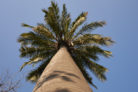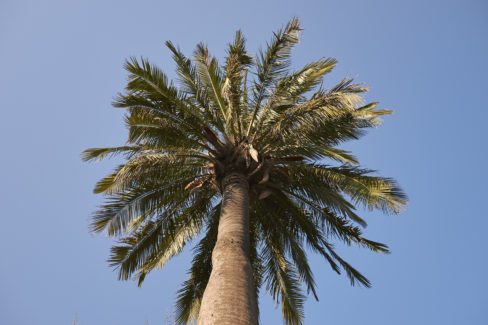
The Chilean Wine Palm (*Jubaea chilensis*) is a stunning, exotic addition to any landscape. While it’s actually quite cold-hardy, you don’t see it too often in backyard gardens, mostly because it’s a very slow grower. Because they take their time to get big, purchasing a mature specimen can definitely be an investment!
Chilean Wine Palm: At a Glance
Since this palm is a bit of a rare gem, here’s a quick breakdown of what makes it so special:
- Native Home: Chile
- Vibe: Robust and increasingly cold-hardy as it matures
- Temperature Tolerance: Can handle dips down to 5°F (-15°C)
- Size in Pots: Up to 23 feet
- Size in the Ground: Can reach a massive 100 feet
- Look: Iconic smooth gray trunk as it ages
- Fronds: Massive leaves up to 16 feet long
- Flowers: Blooms for the first time after 50 years with red flowers
- Fruit: Produces walnut-sized fruits (often called “coquitos”)
Growth and Development: Patience is Key
Finding seeds for the Chilean Wine Palm can be a bit of a scavenger hunt. If you do get your hands on some, be prepared to wait—it can take up to a full year just for them to germinate! Once they sprout, these seedlings grow at a snail’s pace, usually adding no more than 8 inches of height per year in nutrient-rich palm soil.
It takes several years before a young palm is sturdy enough to be planted out in the garden. When you do move it outside, pick a sunny, sheltered spot with excellent drainage—they hate “wet feet.” Keep in mind that young palms are much more sensitive than adults; even a light frost (around 23°F) can cause lasting damage. In their early years, you’ll definitely need to provide winter protection or move them to a frost-free area.
As the palm settles in, the annual growth of young Wine Palms actually slows down even more. Around the five-year mark, you might only see one to three new fronds emerging from the bulbous base each year.
The Mature Chilean Wine Palm
Once the palm hits about fifteen years old, things start getting exciting! This is when it begins developing that signature thick, columnar trunk. Over many decades, that trunk can reach over three feet in diameter and soar up to 80 feet high, topped with fronds about 13 feet long.
Interestingly, while the vertical growth stays slow, an established adult palm becomes much more productive with its foliage, pushing out 8 to 10 new fronds every year. You’ll have to be in it for the long haul to see flowers, though—it takes about fifty years for the tree to produce its first three-foot-long flower stalks covered in delicate red blooms.