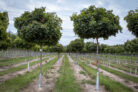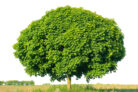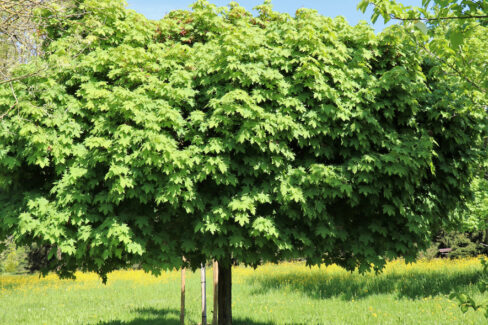
The Maple family is famous for being a group of fast growers. In fact, some varieties can shoot up by as much as 6 feet in a single year! However, if you’re looking at the Globe Maple (also known as the Globe Norway Maple), don’t expect it to keep up with its speedy cousins.
How many inches does a Globe Maple grow per year?
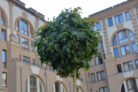
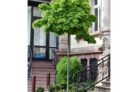
On average, a Globe Maple grows about 6 to 8 inches annually. Even at its most ambitious, it rarely puts on more than 15 inches in a season. While that might seem slow compared to other trees, it’s actually quite steady when you consider its maximum height is only around 20 feet.
The Globe Maple was specifically bred from the standard Norway Maple, which can tower up to 60 feet and grows between 30 and 60 inches a year. Breeders intentionally “dialed back” that aggressive growth to ensure the tree keeps its signature compact, rounded canopy for years to come.
What factors affect annual growth?
The growth rate each year depends on several factors, including the weather and local environment. While we can’t control the forecast, we can definitely help things along by focusing on:
- Choosing the right sunny or partially shaded spot
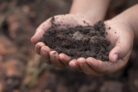
- Ensuring loose, well-draining soil for healthy root development
- Giving it plenty of elbow room away from other plants
- Using the right pruning technique
From a maintenance standpoint, you really only need to thin out your Globe Maple every 2 to 3 years to remove deadwood or crossing branches. This pruning method allows the tree to keep most of its annual growth. However, keep in mind that as these trees age, they naturally start to look a bit more pyramidal rather than perfectly round. If you want to keep that “lollipop” look, you’ll need to do an annual shaping cut, though this will obviously reduce the overall height and width gained that year.
Can you use fertilizer to speed up growth?
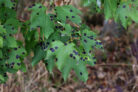
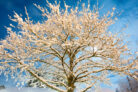
Generally, fertilizer is used on Globe Maples primarily to boost their immune system against diseases or to help them survive a tough winter. Even with its modest pace, it’s a vigorous tree that doesn’t actually need fertilizer to grow. In fact, you should avoid high-nitrogen fertilizers altogether. These often trigger “water sprouts” or wild shoots that ruin the tree’s natural shape.