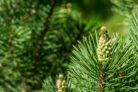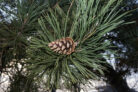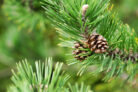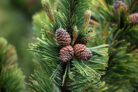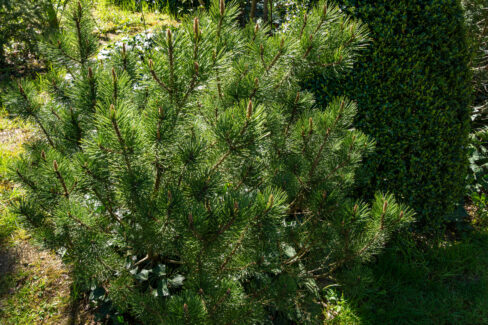
Knowing exactly how a plant grows is a total game-changer when you’re planning out your garden. If you’re thinking about adding a pine tree to your landscape, the info below will help you pick the perfect spot. Plus, it’ll help you figure out if your pine is thriving naturally or if its growth is hitting a bit of a snag.
How this beautiful evergreen develops
Before a pine tree starts producing flowers, it puts most of its energy into establishing a strong root system and reaching for the sky. Those sturdy roots are what keep the tree anchored during storms and ensure it’s soaking up all the nutrients it needs. One cool thing about pines? Their roots are pretty adaptable. Depending on the location, both the roots and the tree itself can grow quite differently to suit their environment.
Typical growth patterns for a pine:
- Height: Can reach up to 130 feet (40 meters)
- Growth rate: Fastest during the first 20 years
- Growth limit: Usually stops getting taller after 100 years
The first 20 to 40 years are the “growth spurt” years for the pine. You’ll notice it shooting up to about 50 feet relatively quickly. After this initial phase, things start to slow down a bit, though the tree will keep adding height until it hits the century mark. Once a pine is about 100 years old, it generally stops growing taller.
How the trunk changes over time
To reach its full potential, a pine tree needs the right environment. These trees are total sun-worshippers! If you want to encourage healthy growth, make sure you don’t plant your tree in the deep shadow of a building or directly under the canopy of larger trees.
Healthy bark is also a big deal for a strong tree. It acts like a suit of armor, protecting the pine from pests, fungal infections, and other environmental stressors. On young pines, you’ll see smooth bark. As it matures, the bark near the crown takes on that classic reddish hue we all love. Older pines, on the other hand, develop thick, rugged bark with a distinct scaly texture.