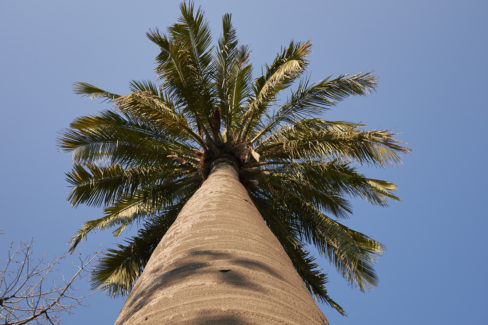
Hailing all the way from Chile, the Chilean Wine Palm is still a bit of a hidden gem in our neck of the woods, even though mature trees are surprisingly hardy. The catch? These beauties are incredibly slow growers. Because it takes so long for them to reach that frost-resistant “adult” stage, finding a full-grown specimen at your local nursery can be pretty tough.
Caring for Young Palms
When they’re just starting out—from seedlings up to about five years old—Chilean Wine Palms aren’t ready for the cold yet. They need a bright, frost-free spot to spend the winter. It doesn’t need to be toasty warm; in fact, the warmer the room, the more water your palm will crave during the dormant season. Once the thermometer starts dipping into the low 40s (single digits Celsius), it’s time to bring your young palm inside.
- Move your young palm into an unheated sunroom or a frost-protected greenhouse.
- Make sure it gets plenty of light.
- If you don’t have a greenhouse, your living room works too!
- Keep up with regular watering. Remember, indoor heating dries things out, so she’ll be thirstier inside.
- In the spring, “harden off” the plant by giving it a few hours of sun and fresh air at a time.
- Once it’s acclimated, it can go back to its favorite summer spot.
Managing Mature Palms
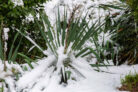
The Chilean Wine Palm is a giant in the making, eventually reaching heights of over 60 feet! At some point, it’s simply going to outgrow any greenhouse or sunroom. The good news? Once your palm hits about six feet tall, it’s a tough cookie and won’t need much winter protection. At that size, it can handle temperatures as low as 5°F (-15°C).
However, if you’re growing your palm in a container, there’s a catch: while the fronds can handle the cold, the root ball is much more vulnerable. Pots freeze through much faster than the ground, which can kill the roots. If yours is in a planter, be sure to wrap the pot in burlap, bubble wrap, or even use foam boards to insulate it from the frost.
Whether your palm is in a pot or planted in the ground, don’t forget the water! Palms can actually “die of thirst” in the winter. On sunny winter days, moisture evaporates through the fronds, so make sure to give it a good drink during any frost-free spells. One thing you can skip? Fertilizer. Your palm won’t need any extra nutrients until the growing season kicks back in.