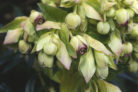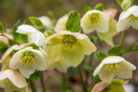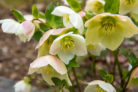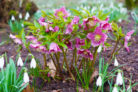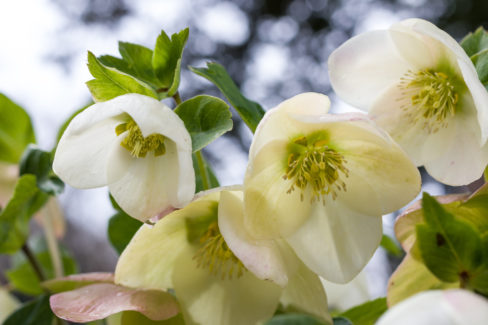
The Hellebore—often called the Christmas Rose or Lenten Rose—is a true winter warrior. Its names are a dead giveaway that this plant thrives in the cold. While most of our garden favorites are still deep in hibernation, the Hellebore is busy pushing its stems right through the frost (and even thick layers of snow!) to brighten up those chilly winter days.
All About the Blooms
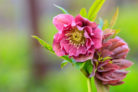
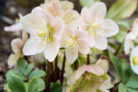
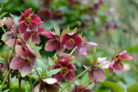
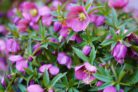
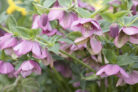
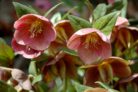
Despite the name, the Christmas Rose isn’t actually a rose at all. It’s a member of the buttercup family (*Ranunculaceae*). What makes it so special is its timing; it blooms when almost nothing else will. You’ll recognize them by those strikingly large, star-shaped flowers in shades of snowy white or deep plum. Each bloom sits atop a smooth, sturdy stem and features a bright cluster of sunny yellow stamens right in the center.
Finding the Perfect Spot
If you want your Hellebores to put on a show year after year, location is everything. Here’s what they’re looking for in a home:
- Light: Partial to full shade (they love tucked-away spots under deciduous trees or shrubs).
- Moisture: Keep the soil moist but well-drained—they hate “wet feet” or standing water.
- Soil Type: A loamy, sandy mix with a neutral pH is ideal.
- The Secret Ingredient: They absolutely crave lime-rich (alkaline) soil.
Keep in mind that if the conditions aren’t quite right, you might get plenty of green leaves but no flowers.
When Do They Bloom?
Hellebores are the ultimate winter survivors. They start blooming exactly when other plants would freeze solid. Usually, you’ll see them popping up between January and March. However, some specific varieties have been bred to bloom as early as December—perfect for a little natural holiday decor! You can even keep them in pots in a cool room indoors for a short stint. Once they’re done flowering, just transplant them outside into frost-free ground.
Hellebores as Cut Flowers
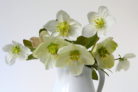
If you’d rather keep your plants in the garden but want to bring some of that winter magic inside, they make lovely cut flowers. Snip the stems as long as possible and use a sharp knife to make a small 1-inch vertical slit at the bottom of the stem to help them take up water. They look stunning on their own in a slender vase or paired with a few sprigs of evergreen. They’re surprisingly hardy and will stay fresh for several days!