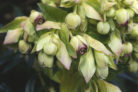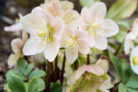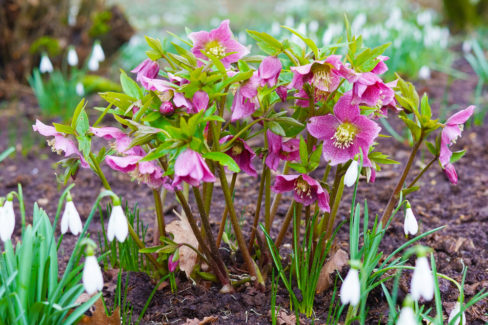
The Christmas Rose (or Lenten Rose) is the ultimate winter showstopper for your flower beds and a real ray of sunshine for your patio during those gray months. While a single plant is lovely, one lonely perennial can look a bit lost out there. To really get that “wow” factor, you want them in clusters. That’s why learning how to propagate your Christmas Roses is such a game-changer. You can do this by seed, but if you’re looking for faster results, division is the way to go.
Propagating Your Christmas Rose
Trying to grow Christmas Roses from seed is definitely a test of patience. First, you have to catch the seeds at just the right moment before the pods burst open. Then, they need a specific warm period to break their dormancy, followed by several weeks of chilly temperatures to actually trigger germination. Once the seedlings show their second leaf, you have to prick them out and move them to separate pots or a spot in the garden. Usually, it takes at least a year before you’ll see your first bloom.
Dividing Your Plants
Dividing your plants is much easier and way faster than starting from scratch with seeds. You basically turn one mother plant into two established perennials that are usually ready to bloom by the very next winter. The best time to do this is in the spring, right after they’ve finished flowering. Here’s how you do it:
- Snip off any faded blooms from the plant.
- Use a garden fork to carefully lift the plant out of the ground.
- Try to dig as deep as possible so you keep as much of the root ball intact as you can.
- Use a sharp spade to slice the perennial right down the middle. Make sure both new sections have plenty of leaves and roots.
- Replant one half back in its original hole. The second half gets a brand new home that you’ve prepped ahead of time.
- Pro tip: Toss a little soil from the original spot into the new hole. It helps the plant settle in much faster!
- Fill the holes back up with soil and give them a gentle press.
- Give both plants a good drink of water, but make sure the soil drains well—they don’t like “wet feet.”
By dividing a healthy, established plant, you get two perennials that are identical clones of the mother plant, meaning the flower color will be exactly the same. When you grow from seed, you never quite know what you’re going to get because of cross-pollination. If you want to keep your varieties pure, division is definitely your best bet!