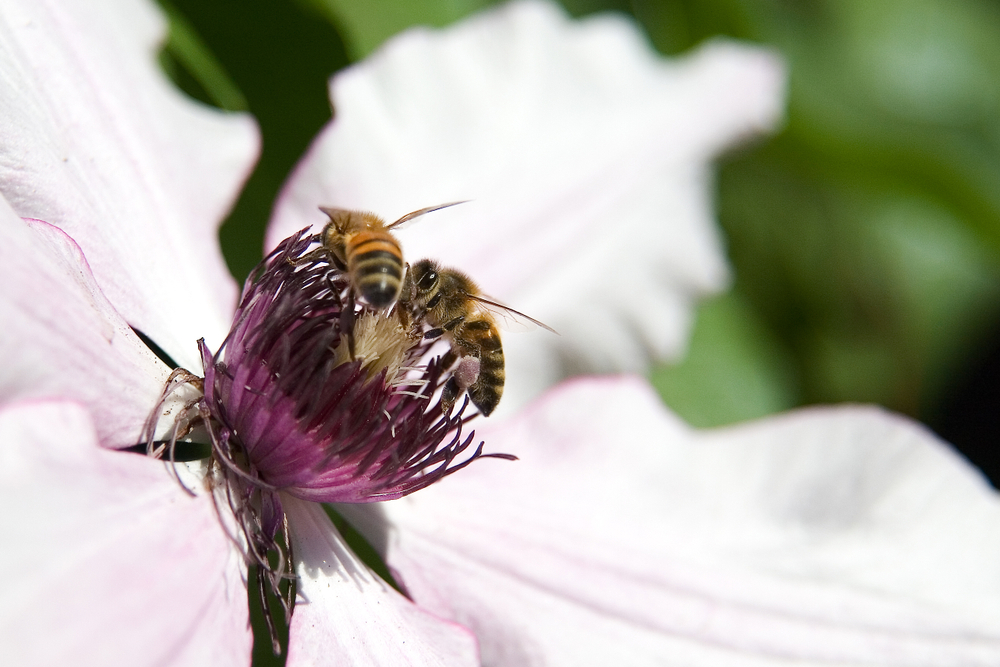
Bee populations have taken a real hit lately, and it’s a trend that has many of us gardeners worried. Between changing climates and the rise of agricultural monocultures, our fuzzy little pollinators are finding it harder and harder to find a decent meal. The good news? You can actually help turn the tide right in your own backyard! By picking the right Clematis varieties, you can provide a much-needed buffet for the bees.
Choosing the Right Varieties
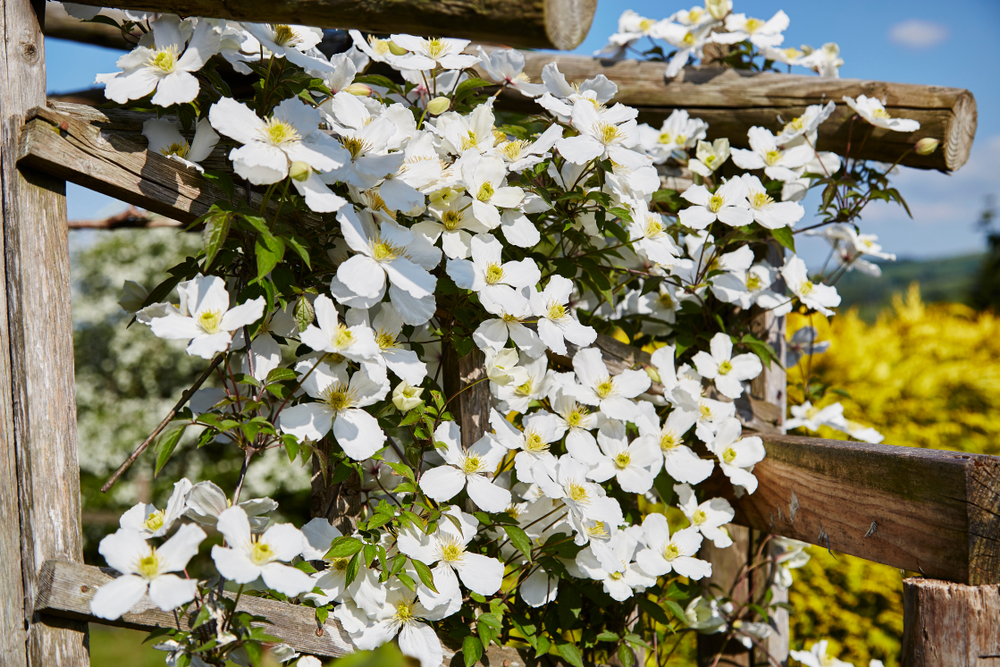
Most of us pick out a Clematis variety based purely on color—and hey, I get it, we all want that “wow” factor! But if you want to be a hero for the bees, it’s smarter to look at *when* they bloom. The goal is to bridge the gaps in the season when food is scarce. Luckily, there are both early and late-blooming Clematis types that can give bees a fighting chance throughout the year.
Early Bloomers for a Spring Boost
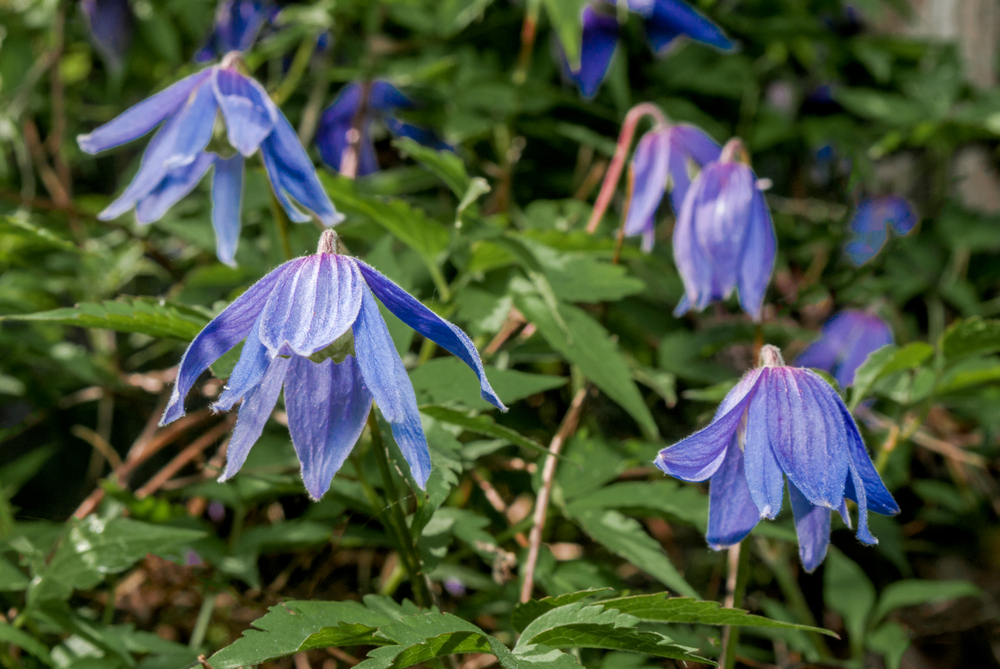
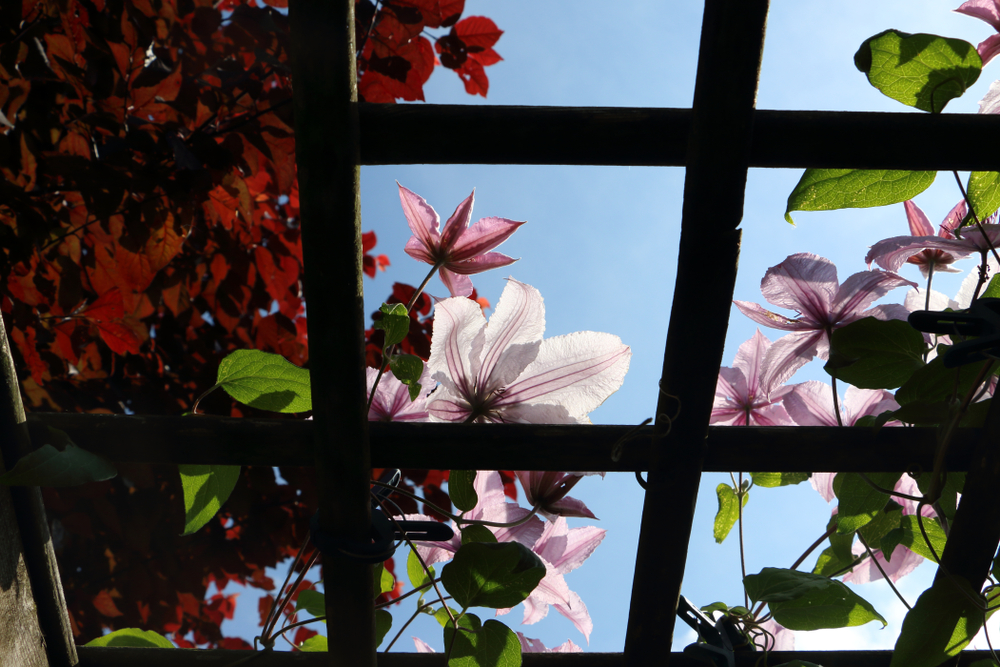
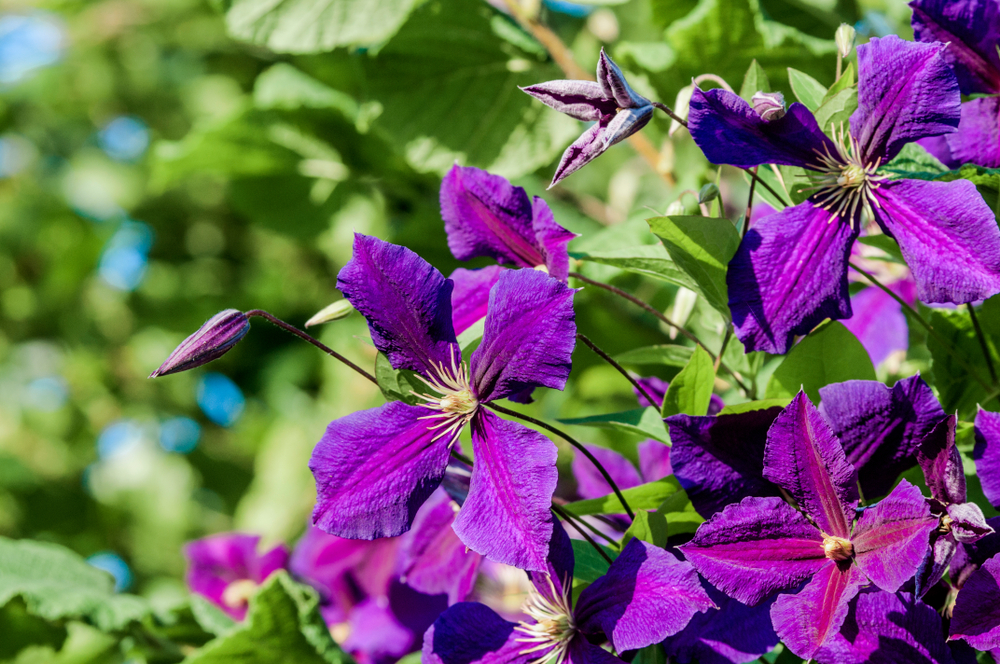
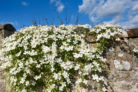
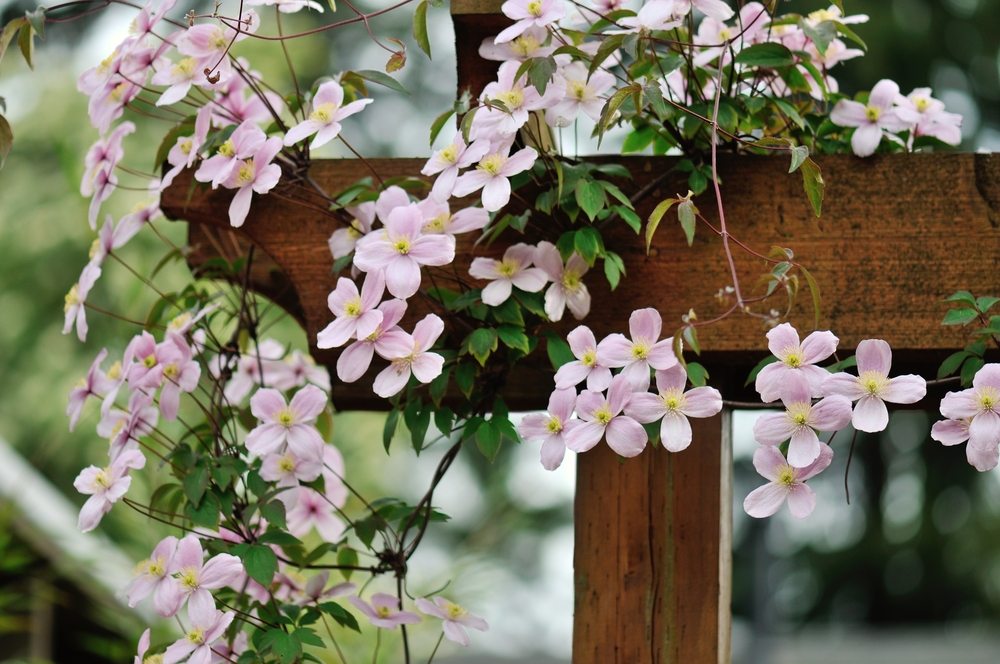
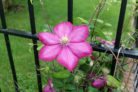
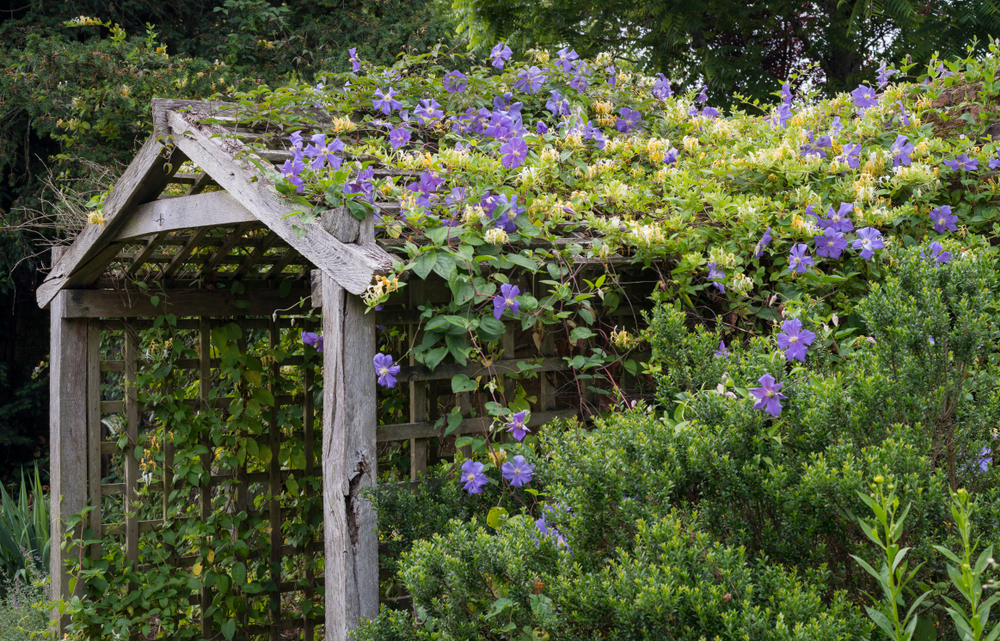
Some of the most stunning Clematis varieties happen to be the early bloomers. Take “The President,” for example. This beauty doesn’t just climb up to ten feet; it produces massive, vibrant blue flowers that can reach seven inches across! If you’re looking for something a bit more delicate, *Clematis macropetala* starts showing off its pink and white blossoms in April. Around that same time, *Clematis alpina* “Ruby” kicks into gear with its lovely purple-pink flowers, giving bees an early spring feast.
Bee-Friendly Late Bloomers
Food sources for bees get even harder to find as the days get shorter and the air turns crisp. This is where late-blooming varieties really shine. The small, open flowers of “Clematis Abundance” are perfect because they make it super easy for honeybees and bumblebees to get to the nectar. *Clematis viticella* is another fantastic option that keeps the pantry open well into September. And if you’re working with a smaller space, the Japanese variety *Clematis* “Ascotiensis Bicolor” is a great choice—it stays compact and grows beautifully in a container on your patio or balcony.