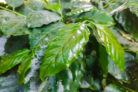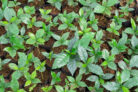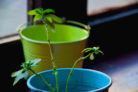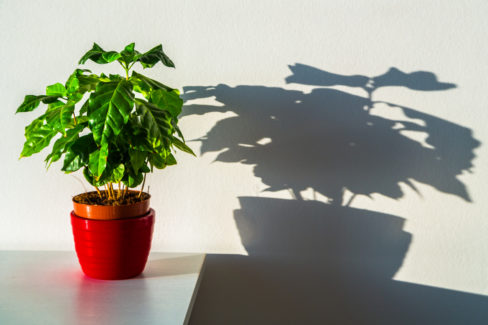
If you take a look at the profile of a coffee plant, you’ll quickly see that this exotic beauty has some pretty unique quirks. Honestly, that’s exactly what makes it such a fascinating addition to your indoor jungle!
Origin
There are about 124 different species of coffee plants out there, mostly hailing from tropical and subtropical regions. But even with all that variety, only a handful are actually used for commercial coffee production. The superstar of the bunch—especially for home growers—is *Coffea arabica*. It’s popular for a reason: it’s low-maintenance, doesn’t get as massive as its cousins, and can start producing “cherries” in as little as three years.
Botanically speaking, the coffee plant is a bit of an oddball. It’s one of the few members of the Rubiaceae (Madder) family that develops woody stems. If you’re hoping to harvest your own beans, though, you’ll need some serious patience. It can take nearly a full year for the fruit to go from pollination to perfectly ripe.
Care
With a little TLC, your exotic coffee plant will reward you with beautiful, fragrant white flowers that might even turn into fruit. Luckily, it’s not a high-maintenance diva. It just needs nutrient-rich soil and a consistent “moderately moist” vibe—don’t let it bone dry, but don’t drown it either. One thing it definitely hates? Hard water. If your tap water is full of minerals or lime, your plant won’t be happy. Try using rainwater instead, or boil and cool your tap water to soften it up first.
Keeping the soil nutrient-rich is key, especially during the window between flowering and when the first green fruits appear. Fun fact: the seeds we call “coffee beans” are actually tucked inside a fleshy fruit called a coffee cherry, which is totally edible! If you manage to grow some, give them a taste—they’re surprisingly sweet. You can also use those seeds to grow new plants, but fair warning: growing from seed takes forever. Most gardeners prefer using cuttings to speed things up.
Overwintering
To really thrive, coffee plants love it warm—ideally above 77°F (25°C). Since this tropical native is definitely not frost-hardy, you’ll need to bring it inside for the winter. The good news is that coffee plants make fantastic roommates. Unlike many other plants that need a cool basement or garage to rest, the coffee shrub loves the warmth of a cozy living room (around 72°F) all winter long.