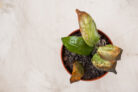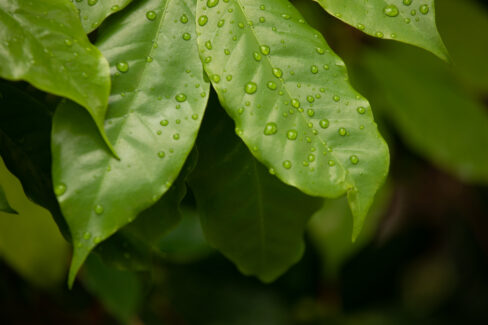
The coffee plant is actually pretty forgiving when it comes to minor slip-ups, but if things get too out of whack, it’ll let you know by developing those dreaded brown leaves. The good news? If you catch it in time and tweak your routine, your plant can make a full recovery.
Watering Habits
One of the biggest culprits behind brown leaves is a wonky watering schedule. First things first: coffee plants are picky about water quality. They really prefer soft water (low in lime). If your tap water is too “hard,” you’ll usually see yellow leaves first, which eventually turn brown.
Both overwatering and underwatering are major stressors. If you’ve got standing water in the pot (root rot territory), brown leaves are your first warning sign to act fast. Coffee plant roots are super sensitive; if they sit in soggy soil, they’ll rot, and that’s usually game over for the plant.
To prevent drainage disasters, make sure you add a layer of expanded clay pebbles at the bottom of the pot when you’re repotting. Also, always make it a habit to empty any excess water from the saucer after watering.
Fertilizing
Coffee plants are hungry for nutrients, and if they aren’t getting enough “food,” they’ll start showing brown spots. However—and this is the tricky part—over-fertilizing can cause the exact same problem. It’s all about finding that sweet spot.
A good rule of thumb is to repot your coffee plant every two to three years. In the years between, you can just refresh the top layer of soil with some high-quality potting mix. During the growing season, treat your plant to a liquid fertilizer about every three to four weeks to keep it happy and green.
Humidity Levels
If you look at the coffee plant’s “resume,” you’ll see it’s a tropical native. Our homes—especially during the winter when the heater is blasting—tend to have much drier air than the rainforest. This lack of humidity often leads to crispy, brown leaf tips.
The fix is easy: give your plant a little spa treatment by misting it with water occasionally. Not only does this keep the leaves hydrated, but it also helps ward off annoying pests like mealybugs while your plant is hanging out indoors for the winter.