While coffee plants technically just need a protected spot to survive the winter, they actually make fantastic year-round houseplants! There are a few cool ways to grow them indoors that really let them shine as a focal point in your home.
Growing in a Glass Terrarium
Cultivating a coffee plant in a glass jar or terrarium is a pretty unique method. Essentially, you’re creating a self-sustaining ecosystem where you don’t even have to worry about watering or fertilizing. The real trick is finding that perfect initial balance of moisture and nutrients. But once you nail that equilibrium, your coffee plant can thrive in its glass home for several years until it eventually outgrows the space.
The main thing to watch out for with a terrarium is placement. You’ll want a bright spot, but keep it out of direct sunlight so it doesn’t overheat. Also, make sure it’s near a heat source, like a radiator, to keep things cozy.
The Best Spot for Potted Plants
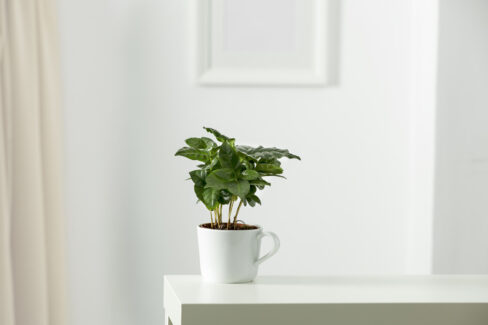
Most people choose to grow their coffee plants in traditional pots. If you go this route, I recommend keeping the plant indoors all year long. Moving it back and forth between the garden and a warm winter indoor spot can stress the plant out, often requiring extra TLC to help it adjust to the change.
Just like with the glass method, location is everything. A south-facing window is ideal because it provides plenty of warmth and natural light. If you’re lucky enough to have a frost-free sunroom or conservatory, your coffee plant will be very happy there, too!
Caring for Your Potted Coffee Plant
If your coffee plant lives indoors year-round, its care routine stays pretty consistent. These plants are hungry! They have high nutrient needs, so you’ll want to use a rich potting soil and stay on top of a regular fertilizing schedule. You also need to be diligent about watering—keep the soil consistently moist, but never soggy. Coffee plants can be a bit sensitive when it comes to their roots, so keeping them healthy is key to avoiding diseases or pests.
The good news is that the leaves and stems are rarely bothered by pests. If you do notice the occasional brown leaf, it’s usually a sign that something is off with the routine—double-check if you’re over-fertilizing or if the soil has gotten too dry.
And don’t worry if your plant starts taking over the room! While they don’t need frequent pruning, coffee plants handle a “haircut” surprisingly well. If it gets too big, you can do a radical prune, cutting it back to about 12 inches (30 cm) in height to let it start fresh.