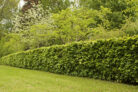
Hedge plants are a fantastic long-term investment for your yard. Not only do they provide a natural privacy screen and cooling shade, but they’re also a huge win for the local environment. If you’re looking to block out the neighbors or just add some greenery, here are the seven most popular plants for creating thick, fast-growing hedges—plus my personal “pro tip” for the speediest results.
[[pflanzen]]
++Hedge Maple (Acer campestre)
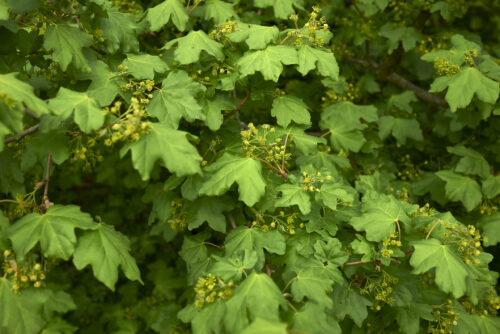
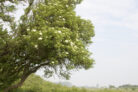
The Hedge Maple is a tough-as-nails choice that’s hardy, handles pruning like a champ, and grows about 15 inches every year. It’s a perfect pick if you’re aiming for a more natural, “wildlife-friendly” garden. While it does drop its leaves in the winter, its dense branching provides a safe nesting spot for birds, and the foliage turns a stunning, bright yellow in the fall. Hedge Maple hedges recover incredibly fast from heavy pruning, so don’t be afraid to shape them!
++Arborvitae (Thuja occidentalis)
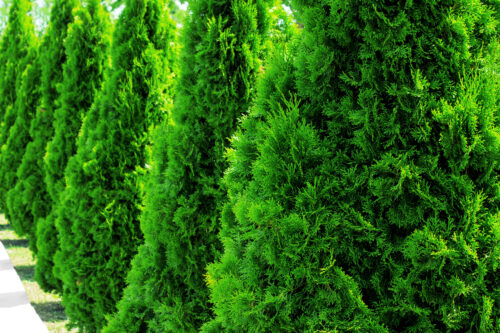
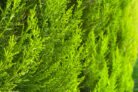
If you want an impenetrable green wall that stays lush all year round and hits your target height in just a few seasons, Arborvitae (or Thuja) is the way to go. These evergreens are extremely frost-hardy, wind-resistant, and very reliable. They also take well to regular trimming. You can find them in various growth habits to suit your specific space. Plus, if you rub the scale-like leaves, they release a wonderful, spicy-aromatic scent.
++European Beech (Fagus sylvatica)
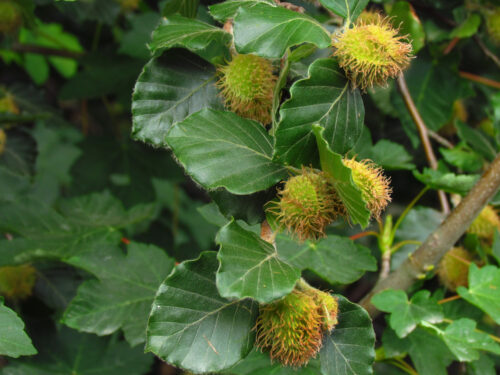
The European Beech is a classic favorite thanks to its dense branches and rapid growth. Even though it’s technically deciduous, it has a cool trick: the brown leaves often hang onto the branches until the new buds push them off in the spring, giving you decent privacy even in the dead of winter. Growing about 15 inches a year, the European Beech is very adaptable to different soil types and can handle a heavy “haircut” without any issues.
++Red Tip Photinia (Photinia fraseri)
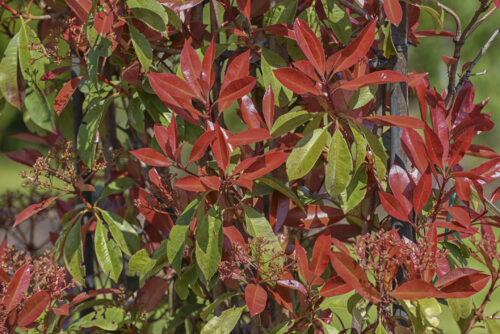
This plant is a total showstopper in the spring. The new growth comes in a brilliant, fiery red that pops against the dark green older leaves. This colorful display can last up to four months! Depending on where you plant it, it can grow anywhere from 12 to 20 inches a year. Just a heads-up: Photinia prefers slightly milder winters, so if you live in a very harsh, cold climate, it might suffer a bit of frost damage.
++European Hornbeam (Carpinus betulus)
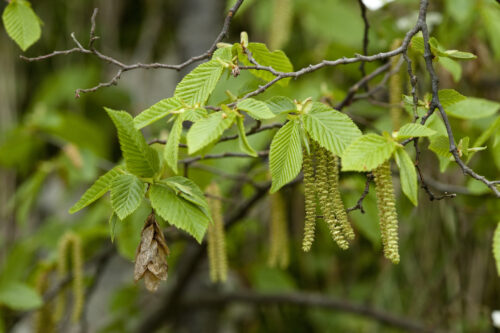
Hornbeams are workhorses, growing up to 15 inches in both height and width annually. They turn a beautiful glowing yellow in the autumn. Like the beech, they keep some of their dried leaves through the winter to help maintain your privacy. They are also a haven for birds; species like woodpeckers and nuthatches love the seeds from their hanging, cone-like fruit clusters.
++Privet (Ligustrum)
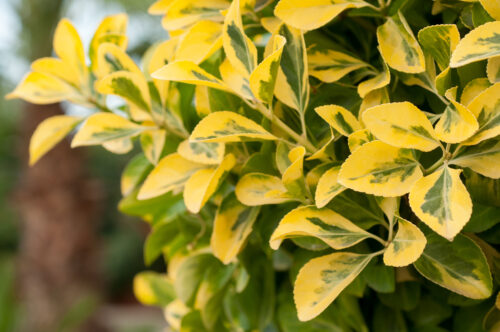
Privet is incredibly adaptable and will grow in almost any soil or light condition. Most varieties are semi-evergreen to evergreen, keeping your yard private year-round. Some types can shoot up by 20 inches a year! One little tip: Privet can get a bit “leggy” or thin at the bottom if left alone, so make sure to prune it in early spring and early summer to keep it thick and bushy from the ground up.
++Cherry Laurel (Prunus laurocerasus)
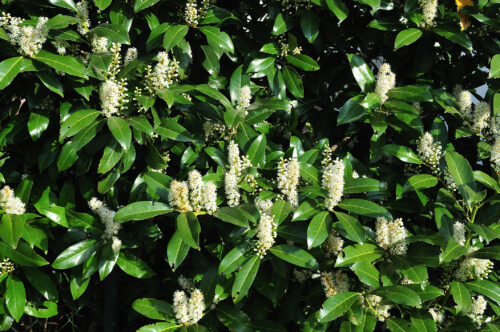
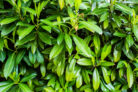
If you’re looking for something tough, Cherry Laurel is hard to beat. It’s drought-tolerant and handles pruning easily. With a growth rate of 8 to 15 inches a year, it quickly creates a thick, glossy green screen. However, it does like to spread out wide, so it might not be the best fit for tiny yards. Also, try to use manual hedge shears rather than electric ones; electric trimmers tend to shred the large, pretty leaves, leaving them looking a bit ragged.
%%Leyland Cypress (Cupressocyparis leylandii)
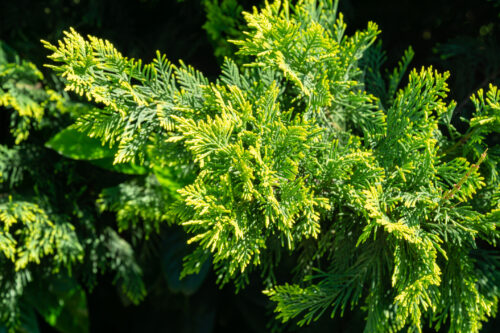
This is the undisputed king of fast-growing hedges. The Leyland Cypress can grow a staggering 30 inches (or more!) in a single year. It’s evergreen, meaning those lush green needles stay put all winter to keep prying eyes out. It’s also not picky at all—it’ll grow in sun or partial shade, handles wind and rain like a pro, and thrives in almost any soil. If you need a tall screen *yesterday*, this is your plant.