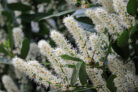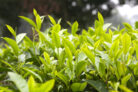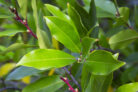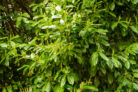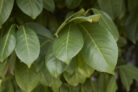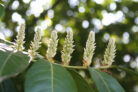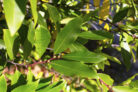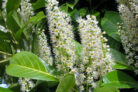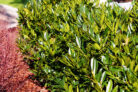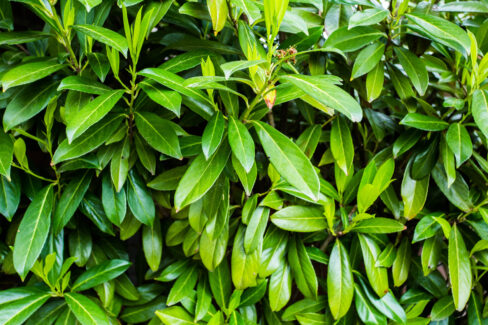
Cherry laurel is a total rockstar in the garden if you’re looking for fast growth and lush, evergreen foliage. These plants can transform from individual shrubs into a thick, private hedge in no time at all. If you’re curious about just how fast these beauties take off, here’s the lowdown on their growth habits.
How Fast Does Cherry Laurel Actually Grow?
If you space your plants correctly and give them a little TLC, you’ll have a full-blown privacy screen within just a few years. You can generally expect about 20 inches (half a meter) of new growth every single year! Left to their own devices, some varieties can tower up to 23 feet tall. But don’t worry—if you don’t want a giant in your backyard, you can always choose compact varieties or keep them trimmed to your preferred size.
Because cherry laurel is such a vigorous grower, it handles regular pruning like a champ. This gives you the freedom to sculpt it into an elegant shape or simply keep it at a height that doesn’t overwhelm your yard. You even have the option to grow cherry laurel in containers or, for a fun project, try your hand at a cherry laurel bonsai.
Looking for Something Lower to the Ground?
If you’re not looking for a tall hedge, you might want to consider a groundcover cherry laurel. Instead of reaching for the sky, these varieties spread out horizontally across the soil. They’re fantastic for filling in gaps, and many gardeners use them as underplanting beneath taller trees. Since they’re evergreen, they’ll keep your garden looking lush and green even when other plants go dormant.
The Perfect Conditions for Fast Growth
- Loose, well-draining soil
- Consistently moist soil (but avoid “wet feet” or standing water)
- A mix of soil and sand, or a loamy soil base
- Slightly acidic to alkaline pH levels
To keep your cherry laurel thriving, location and care are key. While they’re pretty hardy, they prefer a spot that isn’t blasted by harsh, direct sun all day. Make sure the soil is nutrient-rich to support all that heavy foliage; if your soil is a bit thin, a good fertilizer can work wonders. Just be careful not to overdo it—a little goes a long way!