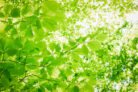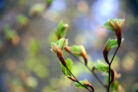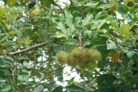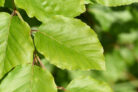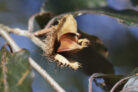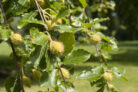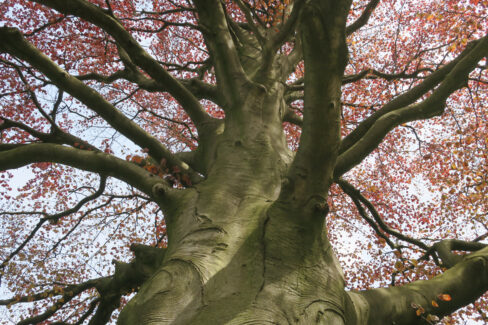
The European Beech (botanical name *Fagus sylvatica*) is a staple of the European landscape and actually the most common deciduous tree in Germany. It gets its common name from its beautiful, slightly reddish wood. If you’re looking to get to know this forest giant a little better, I’ve put together a quick cheat sheet for you.
European Beech: At a Glance
Want the highlights? Here’s the quick rundown on what makes the European Beech so special:
- Native deciduous tree
- Part of the Fagaceae (Beech) family
- Can live up to 300 years
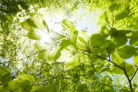
- Reaches heights of about 150 feet
- Massive canopy, spreading up to 130 feet wide
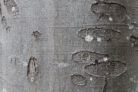
- Smooth, silver-gray bark when mature
- Dark, blackish-green bark when young
- Fine-grained wood with a reddish tint
- Starts blooming around age 20
- Flowering season: April to May
- Monoecious (both male and female flowers on the same tree)
- Starts producing fruit between 30 and 40 years old
- Fruit: Beech nuts (technically “mast”), which are slightly toxic raw
- Fruit ripens starting in September
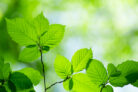
- Wavy green leaves (or deep red on Copper Beeches), 2–4 inches long
- Prefers loamy, lime-rich soil
- Shallow root system
- Fast grower: adds about 20 inches in height and width annually
A Note on Beech Nuts
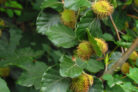
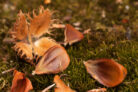
Once a beech tree hits about 40 years old, it starts producing fruit. You’ll see small, woody, Velcro-like husks holding up to four triangular, pyramid-shaped nuts. By September, these husks pop open to drop their seeds. While forest animals absolutely love them, we humans need to be a bit more careful. Back in the day, people ate them during lean times, and when roasted, they have a delicious, nutty flavor. However, don’t snack on them raw! They contain oxalic acid and a toxin called fagin. Eating too many raw beech nuts can make you feel pretty sick. Interestingly, they aren’t toxic to most animals (except horses), making them a perfect winter snack for local wildlife.
Using Beech Wood
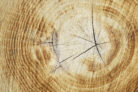
Beech wood is famous for its fine grain and that signature rosy glow. Because these trees grow tall and straight and the wood is quite hard, it’s a top choice for high-quality furniture. It’s also a superstar in the firewood world. If you have a fireplace or enjoy smoking meat and fish, beech wood and beech charcoal are about as good as it gets.
But of course, the best way to enjoy a beech is seeing it live in our forests, parks, and yards. If you don’t have the space for a 150-foot giant in your backyard, don’t worry! They actually make fantastic bonsai trees. Or, if you want that classic beech look without the massive footprint, a beech hedge might be exactly what you need.
The Beech Hedge
European Beeches are incredibly popular as hedge plants. They grow fast and fill in quickly to create a thick, private screen. One of the coolest things about them is that they tend to keep their dried leaves through the fall and winter, so you still get plenty of privacy even in the off-season. Maintenance is pretty straightforward: just give it a trim once or twice a year and make sure to keep it well-watered while it’s getting established.