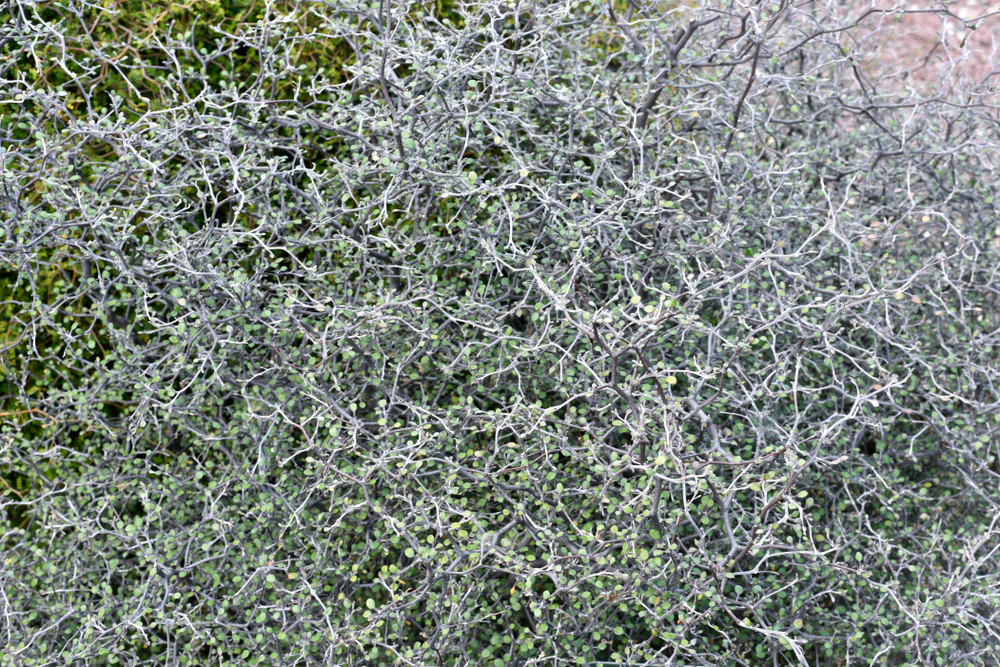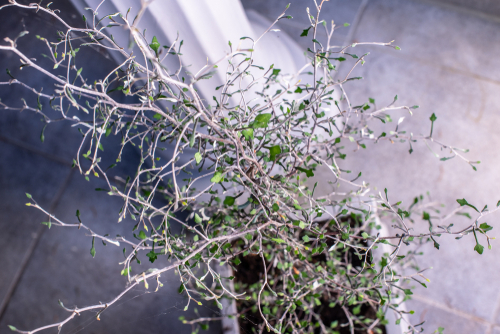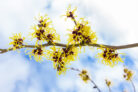
Hailing all the way from New Zealand, the Wire Netting Bush (*Corokia cotoneaster*) has become a real favorite for patio containers. Its claim to fame is that super cool, “zigzag” growth pattern where the stems constantly switch directions. It’s a relatively low-maintenance shrub that definitely brings a unique architectural vibe to any plant collection.
Keeping Your Wire Netting Bush Happy and Healthy
To keep this quirky plant looking its best, picking the right spot is half the battle. If it’s not happy with its location, it might start dropping leaves, buds, or flowers. In the worst-case scenario, it can dry out completely. Here’s what you need to keep in mind when finding it a home:
- It loves full sun or partial sun.
- If it’s out on the patio, it can handle a bit of light shade.
- Make sure it’s protected from harsh winds and drafty spots.
- It really appreciates a bit of humidity in the air.
Getting the Soil Just Right
Whether you’re keeping your Wire Netting Bush in a large pot on the deck, in a sunroom, or even in the ground, the soil quality is key. It thrives in nutrient-rich, humus-heavy soil that is low in lime. The most important thing? It needs to be loose so water can drain away easily.
I recommend mixing in a little sand, pumice, or clay granules to keep the soil airy and well-draining.
Winter Care: Finding the Perfect Chill Spot
While the Wire Netting Bush can handle a little bit of cold, you’ll want to bring it inside if you’re expecting a long, hard freeze. Just a heads-up: a cozy, heated living room is actually *not* the place for it. The ideal winter home is a bright spot without direct, scorching sun, where temperatures stay between 40°F and 50°F (and definitely no higher than 60°F). Think bright garages, unheated sunrooms, frost-free greenhouses, or even a cool hallway.
Those chilly temperatures are actually a must if you want to see those beautiful yellow flowers in the spring. If it stays too warm (over 50°F) all winter, the shrub likely won’t produce many blooms, if any at all.
Along with the cool temps, try to keep the humidity at least around 30%. You can set out trays of water nearby or use a humidifier to keep the air from getting too dry. During this winter “nap,” make sure to ventilate the room occasionally, cut back significantly on watering, and skip the fertilizer entirely until spring.