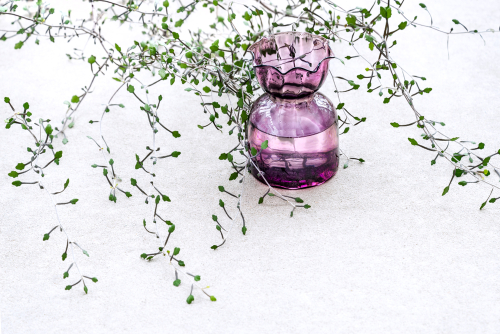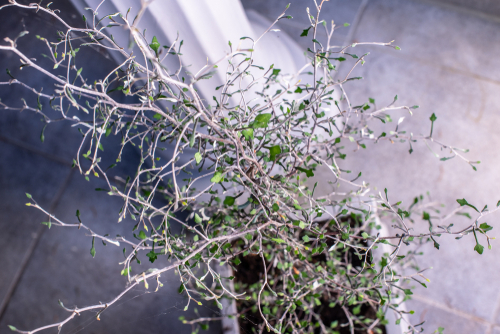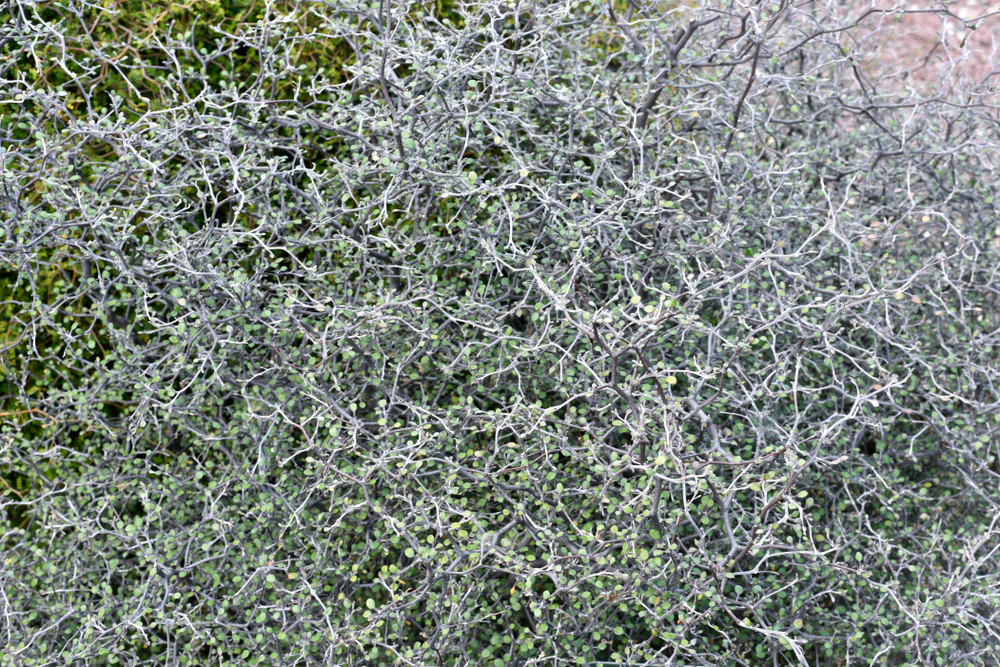
The Corokia, or as many of us call it, the Wire Netting Bush, is a cool little transplant from New Zealand that isn’t quite tough enough to handle a harsh American winter. While it can handle a quick dip toward freezing, your best bet is to bring it indoors before the first frost hits. Luckily, overwintering this plant is actually pretty low-maintenance if you know a few tricks!
Finding the Perfect Spot for Your Wire Netting Bush
The Wire Netting Bush is fairly easygoing, but it does have some specific “must-haves” when it comes to its home—both in the summer and the winter:
- It needs plenty of light.
- Avoid direct, scorching sun; a bright spot with filtered light or partial shade is perfect.
- It’s not a fan of intense heat.
- If it’s outside, keep it in a spot protected from heavy rain.
- In the winter, it needs to be frost-free, bright, and cool.
Interestingly, these plants actually prefer things on the cooler side. During the summer, they’re happiest around 60°F, and in the winter, they love a chilly sweet spot between 40°F and 50°F.
How to Overwinter Like a Pro
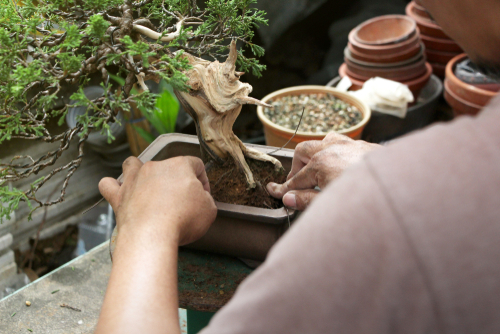
Since the Wire Netting Bush isn’t winter-hardy, it needs to spend the cold months inside. Find a bright room that stays around 50°F. Before you move it in, give it a good once-over for any hitchhiking pests. If it’s been sitting on your patio all summer, some uninvited guests might have moved in, and you’ll want to deal with them before they spread to your other houseplants. Your next step is to give it a little haircut before its winter nap—just trim back those long, leggy shoots to keep it looking tidy.
During the winter, the plant goes into a dormant phase. This means it needs way less water than it did in the summer. You want the soil to stay just barely moist. Be super careful about overwatering—standing water is the enemy here and can lead to root or stem rot. To play it safe, I always recommend adding a layer of clay pebbles (LECA) at the bottom of the pot for drainage. Also, make sure there’s never water sitting in the saucer. You can skip the fertilizer entirely during the winter; wait until March to start feeding it again.
The payoff for all this care? Beautiful yellow flowers in the spring! But here’s the catch: those blooms will only appear if the plant stayed cool enough during the winter. If your winter storage spot was too warm, you’ll miss out on the flower show. Keep it between 40°F and 50°F, and you’ll be golden!