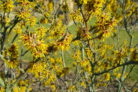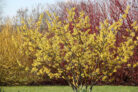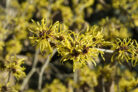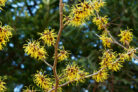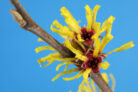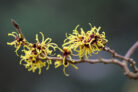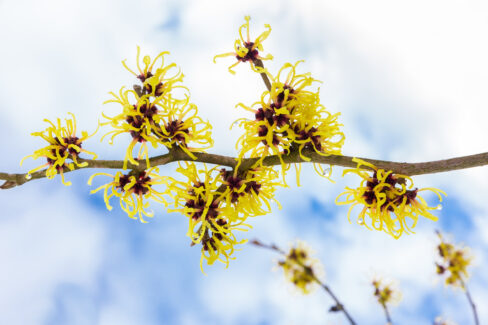
Witch hazel (Hamamelis) is a total favorite among home gardeners, and it’s easy to see why! Those vibrant, spindly blooms are a sight to behold, and for the most part, this plant is incredibly low-maintenance. However, there is one catch: she’s a bit picky about where she lives. If you want your witch hazel to thrive, here’s everything you need to know about finding the perfect spot.
Give Your Witch Hazel Some Elbow Room
Depending on the variety you choose, witch hazel can grow as a small shrub or a full-on tree. While the size usually ranges between six and twenty feet tall, the real kicker is the canopy, which can spread out fifteen feet wide. You’ll want to budget about 170 square feet (16 m²) of space in your garden for a single plant. Think carefully before you dig, because witch hazel hates being moved once it’s settled, and a heavy pruning can actually do long-term damage. Because of its impressive size and unique look, it makes a fantastic focal point or “specimen plant” in your yard.
Finding the Perfect Location
Witch hazel is happiest in a spot that gets full sun to partial shade. You’ll also want to pick a location that’s tucked away from harsh, biting winds. As for the soil, it needs to be loose and well-draining; if your dirt is a bit too heavy or clay-like, try mixing in some sand to lighten it up. One of the coolest things about this plant is how winter-hardy it is. It handles frost like a pro—when the temperatures drop, the petals simply curl up to protect themselves. Choosing the right spot is the secret to enjoying those stunning winter blooms, so take your time picking the best real estate in your garden.
How to Plant Your Witch Hazel
To get your witch hazel off to a great start, you’ll need to dig a generous hole. A good rule of thumb is to make the hole twice as wide as the root ball. This gives you plenty of room to tuck in the plant along with a healthy dose of organic fertilizer, like compost or horn meal. Carefully place the plant in the hole, making sure the top of the root ball sits just an inch or two above the soil line. Give it a good, deep soak right after planting, but be careful not to let the water pool—witch hazel doesn’t like “wet feet.” Once it’s established, you’ll hardly ever need to reach for the watering can!
Quick Takeaways
- Witch hazel needs plenty of room to grow—aim for about 170 square feet.
- Avoid moving the plant or pruning it too aggressively, as this can hurt its growth.
- It works beautifully as a standalone focal point in your landscaping.
- Look for a sunny to partially shaded spot that’s protected from the wind.
- Make sure your soil is loose and drains well.