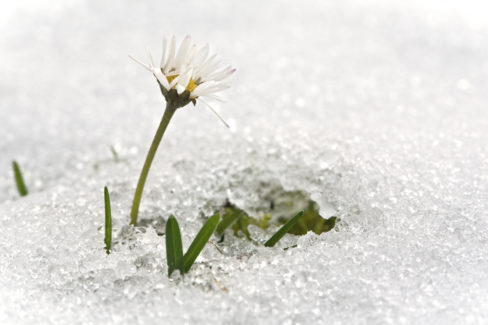
It feels like you can find English daisies in just about every lawn across the country. They seem to breeze through the winter outdoors without breaking a sweat, so you’d think frost wouldn’t be an issue at all. However, if you get your Bellis in the ground a little too early, you might run into some trouble.
A Plant with Southern Roots
The main reason for this sensitivity is that the English daisy isn’t actually a native plant to our neck of the woods. Its true origins are in the Mediterranean. As livestock farming and grazing spread throughout history, the plant slowly migrated north. But it didn’t really become a superstar until people started designing gardens and parks with those classic, manicured lawns we see everywhere today.
English Daisies are Long-Distance Bloomers
One reason Bellis can struggle with frost is because of its incredibly long blooming season, which typically stretches from March all the way through October. Because they bloom so early, you’ll see them popping up in home improvement stores and garden centers very early in the spring. But here’s the catch: if you buy your daisies in March, they were likely raised in a cozy greenhouse. They aren’t toughened up for the “real world” yet. As a result, just one night of frost is often enough to wipe out those pretty blooms.
Starting Indoors vs. Sowing Seeds
To keep your flowers safe, you can start your daisies indoors first. Try “hardening them off” by placing them on your patio or balcony during the day so they can get used to the outdoor air, then bringing them back inside at sunset. Alternatively, you can sow your daisy seeds directly in the garden. Since these seedlings grow up in the actual outdoor temperatures from day one, they turn out much hardier and are usually winter-hardy enough to handle those late spring frosts.
When it comes to Bellis and frost, keep these quick tips in mind:
- Store-bought plants are often very sensitive to frost.
- If you buy pre-grown plants, acclimate them to the outdoor weather gradually.
- Daisies grown from seed in your own garden are usually much tougher.