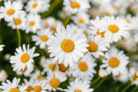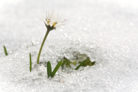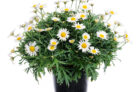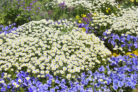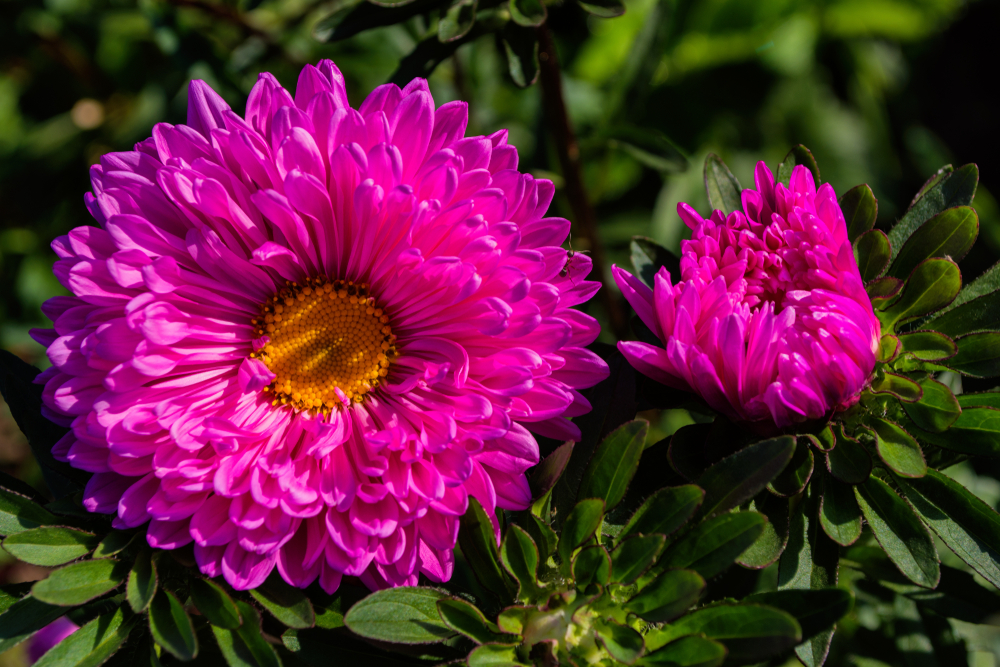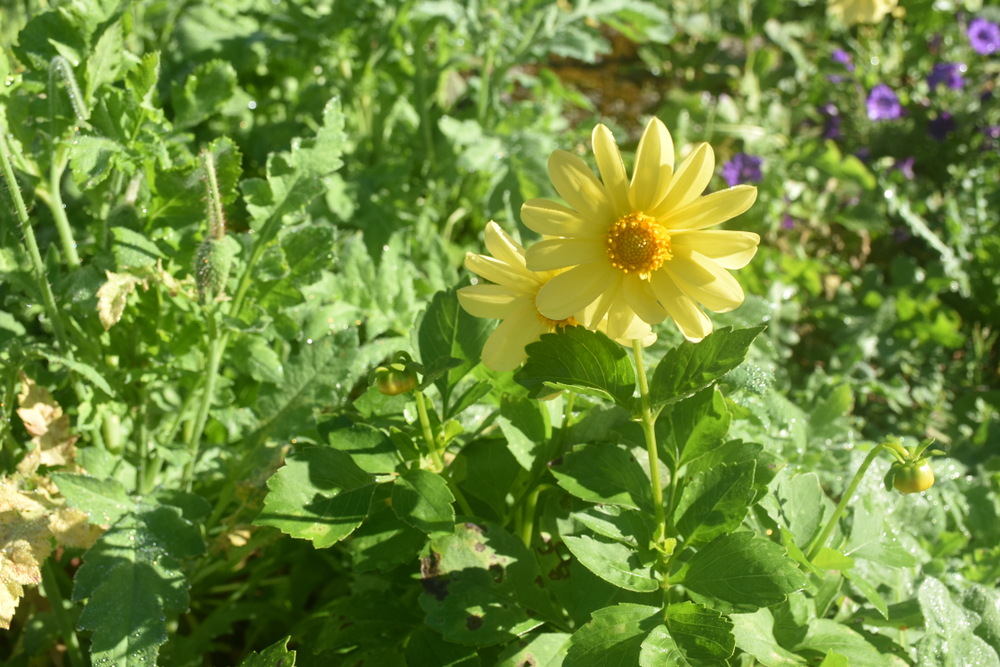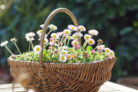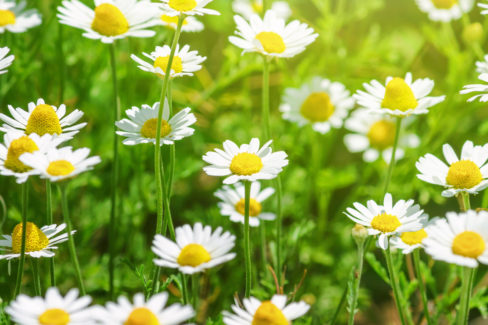
It sure feels like English Daisies (Bellis) are perennials, doesn’t it? It’s the only way to explain how those last little blooms stick around until October or November, only to pop back up again as early as March. But when it comes to these cheerful garden favorites, the “perennial” question actually depends a lot on the specific variety you’re growing.
Frost-Tolerant and Tough as Nails
Originally, Bellis come from the Mediterranean, where you can find about twelve different species. Out of all of them, only one really had the grit to spread north across the Alps: *Bellis perennis*. This species is incredibly hardy, capable of surviving outdoor temperatures as low as -30°F. However, *Bellis perennis* only needs to survive one winter because it is technically a biennial plant.
The Life Cycle of Bellis Perennis
Since *Bellis perennis* is a biennial, it lives for two years and has one main blooming period. Here’s how its life cycle typically plays out:
- Year One: After sowing, the plant focuses on growing a dense rosette of green leaves.
- Year Two: The following spring, it sends up those classic upright, leafless stems.
- The Show: The flowering season can last all the way from March through October.
- The Future: As it blooms, the plant is busy producing seeds at the same time.
Once that second year is over, the parent plant dies off. But don’t worry—thanks to its habit of self-seeding aggressively, the “mother” plant usually leaves behind plenty of offspring to take her place next season.
A Heads-Up on Hybrid Varieties
While wild daisies handle the frost without breaking a sweat, fancy nursery hybrids can be a bit more sensitive when a harsh winter hits. If you’re growing these bred varieties, it’s a good idea to tuck them in with a thick layer of mulch or leaves starting in late autumn to prevent freeze damage. For daisies in containers, I’d recommend wrapping the pots in garden fleece or bubble wrap to keep the roots cozy until spring.