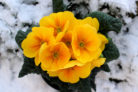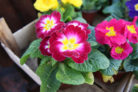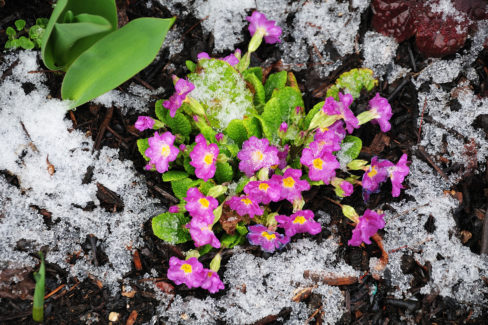
When primroses start showing off their colors, winter usually still has a firm grip on most of us. If you’ve got a few sitting on your windowsill, they can happily watch the frost from the safety of your warm home. But what about the primroses living outside in your garden beds or patio pots?
Not all primroses handle the cold the same way
With about 500 different species of primroses out there, they don’t all come from the same neighborhood. They’re found all across the Northern Hemisphere, and depending on where their ancestors grew up, some are tough as nails while others are total softies when it comes to ice and snow. Because of this, you can’t just say “all primroses are hardy.” You’ve got to look a little closer.
We can’t cover every single variety here, so we’ll stick to the most popular ones you’re likely to find at the garden center. If you’ve picked up a rare variety, it’s always a good idea to ask the seller about its specific cold tolerance. If you’re ever in doubt, play it safe and give your plant some extra protection.
Frost-hardy primrose varieties
The classic “cowslip” primroses native to Central Europe are hardy, as are many of the colorful garden hybrids bred from them. Once you’ve planted them out in the garden, you generally don’t have to worry about winter protection. These varieties are also quite frost-resistant:
- Polyanthus primroses
- Candelabra primroses
- Drumstick primroses (Primula denticulata)
- Vial’s primrose (Orchid primrose)
- Common primrose (Primula vulgaris)
Quick Tip:
If you buy new plants in early spring, don’t rush them straight into the ground, even if they are a hardy variety. Wait until March or slowly acclimate them to the outdoor air so they don’t get “cold shock.”
Frost-sensitive primrose varieties
Some primrose species actually hail from tropical regions in China and Thailand, meaning they won’t survive a freezing winter. The popular German Primrose (Primula obconica) falls into this category—it should really only spend the summer months outdoors.
Heads up:
While varieties like the English primrose or cowslip are edible, the German Primrose contains primin, which can be toxic to both humans and pets.
Flowers are more delicate than leaves
Even on perennial primroses, the blossoms aren’t quite as tough as the rest of the plant. Since the flowers often pop up in the middle of winter (anywhere from January to April), there’s always a risk of a late-season cold snap. If the temperature drops below 23°F (-5°C), protect those pretty blooms by covering them with garden fleece, straw, brushwood, or leaves. Alternatively, you can dig them up and move them into pots to overwinter indoors in a cool spot between 35-50°F.
Primroses in window boxes and pots
If your primroses are in containers, they’d ideally love a cool but frost-free spot for the winter. If you don’t have a shed or garage for them, move the pots to a sheltered corner outside and wrap them well with fleece to keep them winter-ready. If a hard freeze hits, cover the flowers too—even a layer of newspaper works in a pinch for short periods.
Don’t forget the water!
During long dry spells of frost (especially when there’s no snow cover), the soil can dry out surprisingly fast. As soon as the ground thaws, make sure to water your primroses. Generally speaking, all primroses need a bit of moisture throughout the winter to stay healthy.