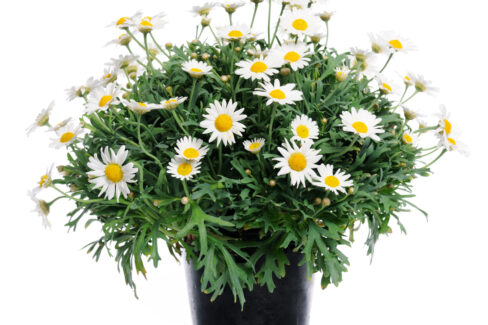
Potted English Daisies (*Bellis perennis*) are such a treat for any patio or balcony because these little beauties are absolute blooming machines. They aren’t high-maintenance at all, but if you want them to show off those iconic flowers, they do need plenty of sunshine.
The Right Spot
English Daisies do their best work in a full-sun location. They’re pretty flexible and will tolerate partial shade, but keep in mind that if they’re stuck in a dark corner, they’ll likely refuse to bloom.
The Best Soil
When it comes to soil, these daisies aren’t picky. The main thing is making sure the water can get out! I recommend mixing standard potting soil with a bit of sand or expanded clay to keep it airy. To avoid the dreaded “soggy feet” (root rot), always use pots with drainage holes. Pro tip: Layer some terra cotta shards or gravel at the bottom of the pot for a DIY drainage system. This helps excess water flow right through.
Care Tips
English Daisies are definitely in the “easy-care” category. Your biggest job is simply making sure they stay hydrated.
Watering
These flowers are a bit like Goldilocks—they don’t like to be bone dry, but they hate being soaked. Regular watering is key. While rainwater is always a treat for plants, tap water is perfectly fine too, as these daisies don’t mind a little lime.
Fertilizing
These are modest little plants that don’t *need* a ton of extra food. However, if you want to give them a boost, you can use a bit of liquid fertilizer every three weeks during their blooming period.
Pruning
You don’t need to worry about heavy pruning. That said, if you want to encourage the plant to keep producing new flowers, make sure to pinch off the faded ones. You can also snip away any yellow or brown leaves to keep things looking tidy.
Pests and Diseases
Even on a balcony, English Daisies can sometimes attract unwanted guests. Keep an eye out for:
- Aphids
- Leaf miners
They can also be susceptible to fungi like gray mold and powdery mildew. Since pests and fungi spread fast, you’ll want to prune away any infected parts right away. If you can, move the “sick” plant away from your healthy ones to keep the infestation from spreading.
Finally, if your daisy gets too much water, the roots might start to rot. If that happens, your best bet for a rescue mission is to repot it into fresh, dry soil immediately.