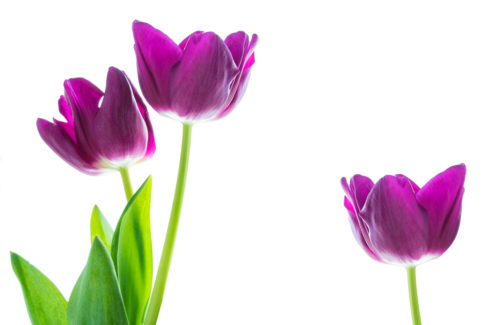
No spring bouquet is complete without tulips. They’ve got those gorgeous, bold blooms, they look amazing paired with other early bloomers, and they actually last quite a while in a vase. But here’s a question I get every now and then: can you actually eat tulips? Do they have a place in a modern foodie’s kitchen?
Are Tulips Edible?
The answer isn’t a simple “yes” or “no.” On one hand, you’ll hear that the petals are a great addition to a fresh salad; on the other hand, the bulbs are known to be toxic and can cause some pretty nasty stomach issues. So, what’s the real deal?
Using Tulip Blossoms
Tulip petals are totally fair game as a garnish for salads or desserts. They’re said to have a slightly sweet flavor and aren’t considered poisonous. According to the world of “floral cuisine,” they’re the ultimate showstopper for both hot and cold dishes. Here are a few fun ways to use them:
- If you carefully remove the pistils from the large flower cups, you can use the bloom as a natural bowl for things like shrimp cocktail or Waldorf salad.
- You can stuff the blossoms with savory veggie purees or sweet whipped cream and berries for dessert.
- Toss a handful of colorful petals into a mixed green salad for a pop of color.
- For a real treat, try dipping the petals in melted chocolate or coating them in egg white and sugar for a candied garnish.
A quick pro-tip: Only eat tulips if you know they are organically grown! Most store-bought or florist tulips are treated with pesticides and other chemicals that you definitely don’t want on your dinner plate.
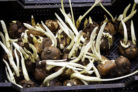
Can You Eat Tulip Bulbs?
This is where you need to be careful. Tulip bulbs contain tuliposides. If you handle them too much with bare hands, these compounds can cause skin irritation known as “tulip fingers” or tulip dermatitis (so wear your gardening gloves!). If ingested, the toxins can wreak havoc on your digestive system, leading to nausea, vomiting, and cramping. In extreme cases, they’ve even been known to cause respiratory distress. Studies suggest that eating more than four bulbs is where things get really dangerous.
Raw bulbs are incredibly bitter. If you boil them for about 15 minutes, they become “edible” and supposedly have a sweetish flavor, but they leave a burning aftertaste and a fuzzy feeling on the tongue. Honestly? I’d stick to regular onions for your cooking!
That being said, tulip bulbs actually saved lives during the “Hunger Winter” of 1944. During the famine in the Netherlands, authorities released large stocks of tulip bulbs to the public. People boiled them just like potatoes to fill their empty stomachs during the war.