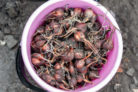
Most of us think of tulips as the stars of the spring garden, but the real magic happens way back in the fall. That’s when we tuck those bulbs into the ground to snooze through the frosty winter. Believe it or not, tulips actually *need* that winter chill to wake up and bloom properly. Plus, a good hard freeze helps knock out soil pests that might try to snack on your bulbs!
Planting Your Tulip Bulbs
Wait until late fall to get your bulbs in the ground—you’re looking for those crisp days when temperatures stay consistently in the 40s (Fahrenheit). When you’re ready to get them in the dirt, here’s my go-to checklist:
- Pick the right spot: Most tulips are sun-worshippers, so find a bright area.
- Prep the soil: Loosen the dirt nice and deep. Mix in some compost or horn meal to give your bulbs a little “breakfast” for the spring.
- Dig your holes: I always recommend planting in groups rather than single rows—it looks way more natural and lush.
- Depth matters: Aim for a hole that’s two to three times as deep as the bulb is tall. This keeps them safe from the winter elements.
- Pointy side up: Place the bulb in the hole with the tip facing the sky.
- Finish up: Fill the hole back in, mark the spot with a little twig so you don’t forget where they are, then give them a good firm press and a drink of water.
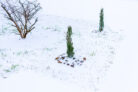
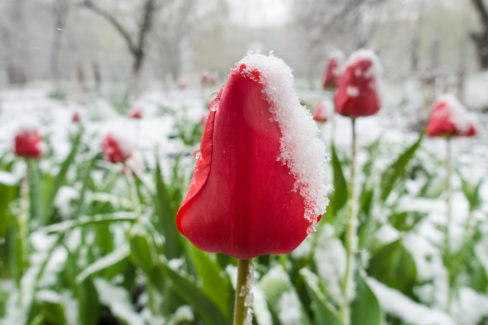
Even though tulips are pretty tough, if you live somewhere with brutal winters, a little extra “blanket” of evergreen branches or dry leaves doesn’t hurt. Just keep an eye out—as soon as you see those first green tips poking through in the spring, clear that mulch away so they can breathe. Don’t worry if a surprise snowstorm hits; the snow actually acts like insulation against overnight frosts!
Tulips in Window Boxes or Pots
If you’re planting in containers, you’ve got to be a bit more careful. Unlike the ground, thin-walled pots don’t offer much protection. If the bulbs freeze solid and then thaw, they’ll turn to mush and won’t grow. To keep them cozy, wrap your pots in a few layers of burlap, garden fleece, or even bubble wrap.
I like to move my pots to a sheltered corner and set them on a piece of Styrofoam or wood so they aren’t sitting directly on the cold pavement. You can also top the soil with some pine boughs. Just like with the garden beds, once you see those first signs of life in early spring, take the “winter coat” off and let them shine!