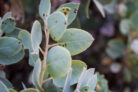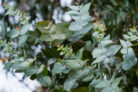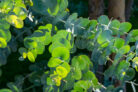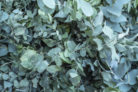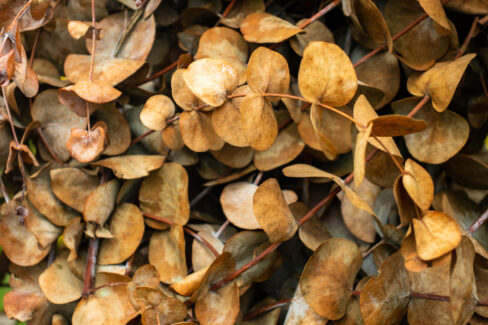
Notice your eucalyptus leaves drying out, and it’s definitely not just the change of seasons? Your plant is likely trying to tell you that something is off with its care routine. Don’t worry, though—we can fix this! Here’s a breakdown of what might be going wrong.
Common Care Mistakes That Lead to Dry Leaves
When a eucalyptus starts looking crispy, it usually boils down to the wrong spot, a slip-up in maintenance, or a nutrient imbalance. Since your plant was likely doing fine before the leaves started drying out, we can assume it’s a care issue rather than a natural cycle. Usually, it comes down to one of these three culprits:
The Most Likely Causes:
- Overwatering
- Poor soil quality
- Fertilizing mishaps
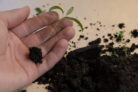
Keep in mind that eucalyptus is native to regions known for intense heat and frequent droughts. In places like Australia and Tasmania, these plants thrive in tough conditions. However, if you get a little too enthusiastic with the watering can, you’ll run into trouble fast. Overwatering causes the root system to die off, which means the plant can no longer soak up the nutrients it needs. Similarly, heavy, dense soil leads to standing water (root rot), which shows the exact same symptoms.
Location and Fertilizing Tips
Beyond just water, the location of your plant and your feeding schedule play huge roles. Regarding the best spot for your plant, check if the light levels have changed recently or if water is pooling at the bottom of the pot. Both issues can stress the plant and lead to those brittle, dry leaves over time.
You should also take a look at your fertilizing habits. Ideally, you want to feed your eucalyptus every two weeks during its active growth phase in the spring. It’s easy to overdo it, though! If you started fertilizing too early in the winter or have been using too much for too long, you might be dealing with nutrient burn. This “over-supply” is a very common reason for leaves drying out and turning brown.