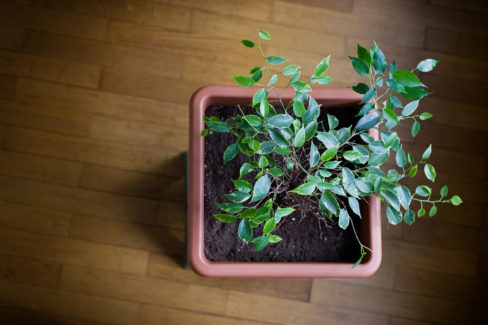
The Weeping Fig (Ficus benjamina) is a classic indoor favorite that can be a stunning evergreen centerpiece if you give it the right spot. But a question I get a lot is: “Is it actually a good idea to keep one in the bedroom?” Let’s dive into the pros and cons of sharing your sleeping space with this leafy friend.
Common Concerns About Bedroom Plants
You’ve probably heard some old wives’ tales about keeping greenery where you sleep. Some folks worry that plants might actually do more harm than good, claiming they “steal” all the oxygen while you’re dreaming. I’m happy to tell you that these concerns are mostly myths! In reality, having a Ficus benjamina in your bedroom usually offers way more perks than drawbacks.
The Benefits of Having a Ficus Benjamina in Your Bedroom
Despite what the skeptics say, the Weeping Fig is actually a bit of a powerhouse when it comes to improving your sleep environment. Here are the big wins:
- Natural Air Purifier: Those lush green leaves are great at filtering toxins out of the air, helping you breathe easier throughout the night.
- Traffic Filter: If your bedroom window faces a busy street, you’ll love this—the Ficus can even help clean carbon monoxide from the indoor air.
- Oxygen Boost: While plants do respire at night, the amount of oxygen they produce during the day more than makes up for it, keeping the air in your room fresh.
- Dust Patrol: The foliage acts like a natural filter, trapping dust and dirt particles that would otherwise be floating around.
- Zen Vibes: Let’s not forget the mental health boost! Having greenery around creates a cozy, relaxing atmosphere that’s perfect for de-stressing after a long day.
Setting Up the Perfect Bedroom Spot
If you’ve decided the bedroom is the perfect place for your Weeping Fig, you’ll need to keep a few things in mind to make sure it thrives. Here’s the cheat sheet:
- Watch the Temp: Even indoors, these plants don’t like the cold. Make sure the temperature stays above 60°F (16°C). Be extra careful when cracking a window for fresh air during the winter or on chilly nights.
- Avoid Direct Sun: Ficus plants can be a bit sensitive. Avoid placing them in harsh, direct midday sun. If yours is sitting on a windowsill, make sure it has a little shade or a sheer curtain to protect those leaves.
The Bonsai: A Stylish Alternative
If you’re short on space or just want a more artistic look, a Ficus benjamina grown as a bonsai is a total showstopper for a nightstand or dresser. Just remember that even the little guys need the right light and protection from that intense afternoon sun!