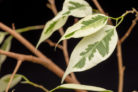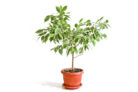
The Ficus Benjamini (or Weeping Fig, as most of us call it) is a fast grower. Honestly, unless you live in a house with infinite space, you’re going to need to grab your shears eventually! Let’s walk through how to prune your Ficus the right way and when to time it so your plant stays happy.
Top Reasons to Prune Your Ficus
There are three main reasons why you’ll want to give your Weeping Fig a haircut:
- A maintenance trim to keep its height and width under control.
- Thinning it out to encourage that lush, bushy look we all love.
- A rejuvenation prune to breathe new life into older, leggy plants.
Maintenance and Shape Pruning
Because they grow so quickly, a Ficus can take over a corner of a room before you know it. When it starts outgrowing its welcome, it’s time for a shape prune. Use a sharp pair of bypass pruners to snip back any branches that are sticking out or ruining the silhouette. This is especially vital if you’re growing a Ficus Benjamini as a bonsai. Pro tip: Always make sure to leave at least one leaf or a visible bud on the branch you’re cutting so you don’t end up with a “dead” looking stub.
Thinning Out Your Plant
Every two or three years, your Ficus needs a little “internal” cleaning. If you don’t thin out the old, dead wood from the center, the plant will start to look bare on the inside. Why? Because light can’t reach the center, so new buds never get the signal to grow. Regularly clearing out the old wood encourages fresh growth and keeps the foliage looking thick and healthy.
Rejuvenation Pruning for Older Plants
If you have an older plant that’s looking a bit sparse or “woody,” it might be time for some tough love. Don’t be afraid to do a radical prune! You can actually cut a Ficus back quite significantly to force it to start over. It gives the plant a chance to grow brand-new shoots from the base. It might take a few years to get back to its original size, but the result will be a much fuller, more beautiful plant.
Heads Up: Don’t Prune if Leaves are Falling
If your Ficus starts dropping leaves, put the scissors down! This isn’t the time for a trim. Usually, leaf drop is a sign that the plant is stressed—maybe it’s in a drafty spot or the watering schedule is off. Pruning a stressed plant will only make things worse.
Common Pruning Mistakes to Avoid
To keep your Ficus in tip-top shape, try to avoid these common pitfalls:
- Skipping the thinning: If you never clear out the middle, the plant will eventually go bald on the inside. Aim to thin out dead wood every 2-3 years.
- Pruning after leaf loss: Cutting back a plant that’s already losing leaves can stunt new growth or even kill the plant. Fix the environment first, prune later.
- Ignoring “wild” shoots: If you have a variegated Ficus (the ones with the pretty white-and-green leaves), keep an eye out for solid green branches. These are “reversions” and are often stronger than the variegated ones. Snip those green shoots out so they don’t take over the whole plant!