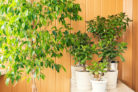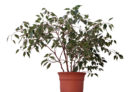
Because of its tropical roots, the Ficus Benjamini (often called the Weeping Fig) isn’t just “not hardy”—it actually starts struggling long before the thermometer hits freezing. To keep your plant happy through the colder months, you’ll need to set up a proper winter home for it.
The Weeping Fig and Cold Weather
Since it hails from tropical and subtropical climates, the Weeping Fig is not winter-hardy at all. In fact, once temperatures dip below 60°F (16°C), your Ficus can start showing signs of stress. Anything near freezing is usually a death sentence for these plants. If you’ve been keeping your Ficus outdoors for the summer, make sure to bring it inside well before the first chill hits to avoid permanent damage.
Finding the Perfect Winter Spot
You’ll want to move your Ficus Benjamini to its winter quarters before the first frost even thinks about arriving. Here is what the ideal winter spot looks like:
- It should be bright and warm.
- Aim for temperatures between 64°F and 68°F (18–20°C).
- Never let the temperature drop below 60°F (16°C).
- Keep the humidity levels relatively high.
One of the best places for a Ficus during the winter is actually the bedroom. It’s usually a bit cooler there than in the rest of the house, which the plant loves. Just a heads-up: be careful when airing out the room! These plants hate drafts, and you don’t want the temperature to plummet below that 60°F safety line.
Winter Care Tips
During its winter rest, your Weeping Fig still needs a little love, but don’t overdo it. Water it occasionally—just enough to keep the root ball slightly moist, but never soggy. To keep the humidity up (since indoor air gets pretty dry in winter), give the leaves a regular misting with lukewarm, soft water. You can also take a break from fertilizing until spring rolls around.
Indoor Plants Need a Winter Break, Too
It’s not just the Ficus plants on the balcony or patio that need a change of pace; your year-round indoor plants need a winter phase as well. Indoor Ficus plants thrive when they can rest in cooler temperatures (around 64–68°F). A cozy, heated living room is often too warm for them to enter their natural resting state. If they don’t get this “down time,” you might notice a lack of new growth and fresh leaves when spring arrives. So, even for your indoor regulars, find a bright spot that stays on the cooler side!