Floating plants are a total game-changer for any backyard pond. Not only do they look gorgeous, but they’re also hard at work behind the scenes improving your water quality. Here’s a look at some of the most popular floating plants and what makes them special.
[[pflanzen]]
++Water Lettuce (Pistia stratiotes)
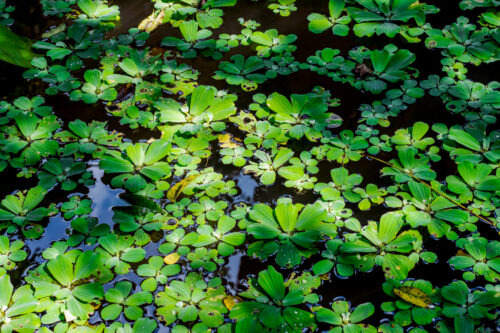
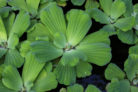
With its wavy, velvety leaves, Water Lettuce looks exactly like a floating head of Bibb lettuce! If you’re looking for a plant with a unique texture and interesting shape, this is a fantastic choice. It’s a powerhouse at cleaning the water, too. Just a heads-up: this tropical beauty can’t handle frost. You’ll need to bring it indoors to a warm spot if you want it to survive the winter.
++Mosquito Fern (Azolla caroliniana)
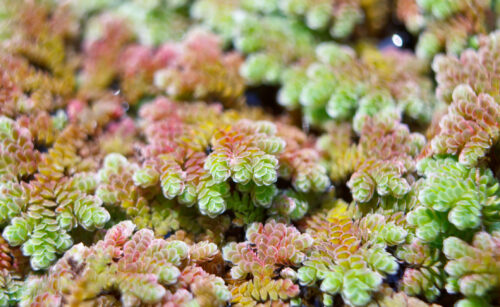
Also known as Fairy Moss, this tiny floating fern originally hails from tropical regions. It creates a beautiful, carpet-like texture on the water’s surface. Since it’s a fan of warmer climates, it won’t survive a harsh winter outside. To keep it going, move some to a bright, cool spot inside your house until the spring thaw. Once the weather warms up, it’s ready to head back out to the pond.
++European Frogbit (Hydrocharis morsus-ranae)
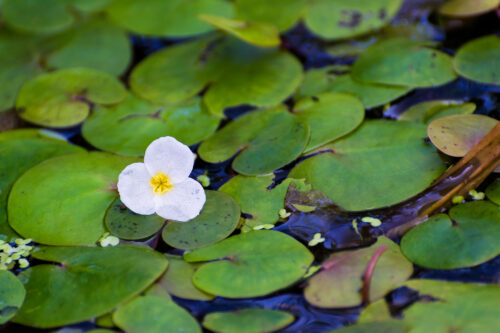
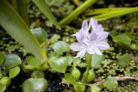
Frogbit leaves look like miniature water lilies—or, as the name suggests, little green frog heads! This plant is a fast grower, sending out runners to quickly cover your pond surface. It also produces charming little white flowers starting in July. The coolest part? In the fall, it drops “winter buds” to the bottom of the pond. These buds hibernate in the mud and pop back up as brand-new plants in the spring.
++Floating Fern (Salvinia natans)
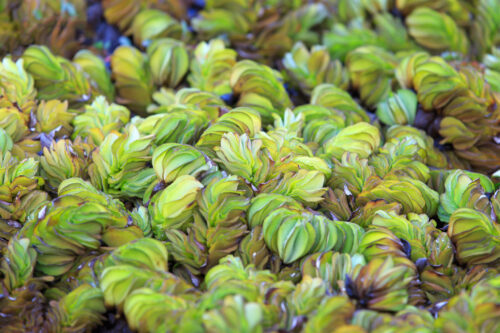
This floating fern has fascinating hairy leaves with a shiny, waxy coating. That wax acts like a built-in sunscreen, keeping the plant from drying out under the hot summer sun. It’s a hungry plant that loves soaking up extra nutrients from your water. While the main plant dies off when the frost hits, it leaves behind spores at the bottom of the pond that will sprout into a fresh batch of ferns next year.
++Water Caltrop (Trapa natans)
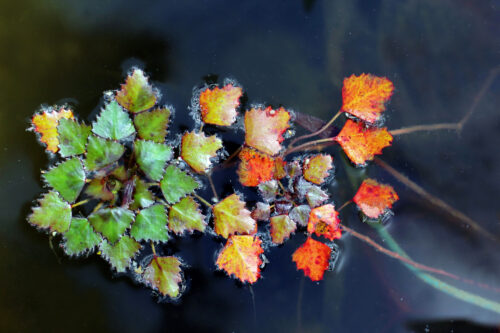
Often called the Water Chestnut, this plant is actually quite rare in the wild and is a protected species in many areas. By adding it to your pond, you’re helping preserve a unique piece of nature! It features lovely geometric green leaves and produces delicate flowers from July through September. It’s a great alternative to water lilies if you’re looking for something a little different.
++Water Soldier (Stratiotes aloides)
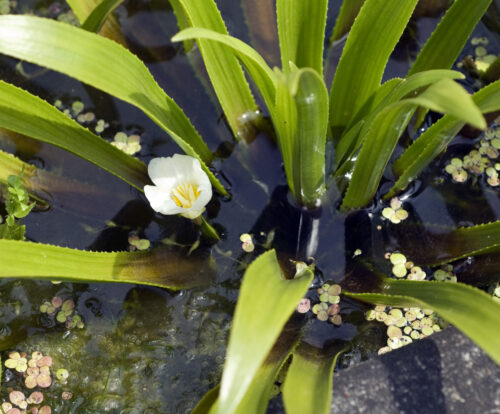
The Water Soldier is a bit of a shapeshifter. It spends most of the year submerged, helping oxygenate the water, but during the sunny months of spring and summer, it rises to the surface. You’ll be rewarded with pretty blooms between May and June. Just make sure to give it a sunny spot in the pond; otherwise, it might be too shy to flower.
++Duckweed (Lemna valdiviana)
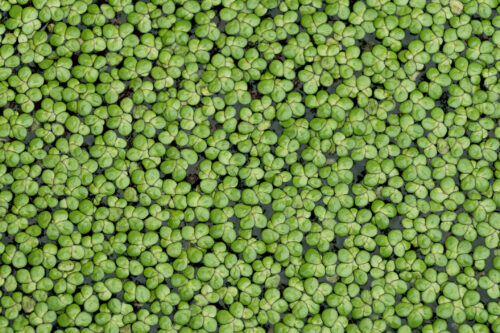
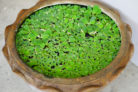
Duckweed is the ultimate pond classic. These tiny, lentil-shaped leaves provide a great service to your pond’s ecosystem by shading the water, which prevents it from overheating in the summer and helps keep algae in check. It’s incredibly hardy and spreads very fast. If it starts taking over, don’t worry—you can easily skim some off the top to keep your “green carpet” under control.