The umbrella sedge genus is huge, with about 600 different species to its name. Some of these cool plants can actually live completely submerged, so it’s no surprise that aquarium hobbyists have found a clear favorite for their underwater landscapes. If you’re looking to dive into growing these, you’ll need a little bit of background info first—here’s the lowdown.
Meet the Aquarium Sedge: Cyperus helferi
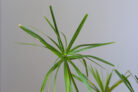
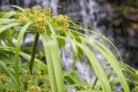
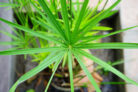
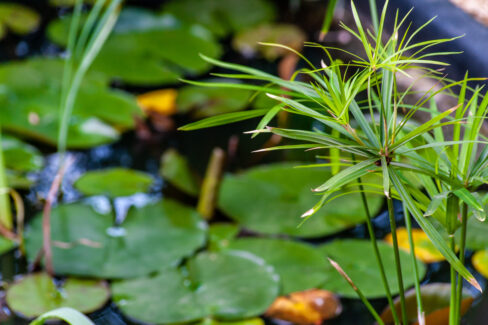
While the typical houseplant versions of umbrella sedge love hydroponics, they can’t actually survive being totally underwater. For your tank, you’ll want to look for a specific species called *Cyperus helferi*. This beauty hails from Thailand, where it grows naturally in aquatic environments. Because of its elegant shape, it’s a perfect fit even for smaller tanks, usually looking its best when planted in the middle or background.
- Reaches a max height of about 20 inches and spreads 6–10 inches wide.
- Has a compact root system.
- Grows relatively slowly compared to other aquatic plants.
- The leaves are hardy and won’t rot underwater.
Quick Note:
*Cyperus helferi* is not cold-hardy. This isn’t the plant for your outdoor pond; it definitely needs a cozy indoor spot year-round.
Aquarium Requirements
Since this is a tropical plant, it’s used to warm water. You’ll want to keep your tank temperature between 75°F and 82°F (24–28°C) for it to really thrive. It prefers slightly acidic water with a pH between 5 and 7.5. Even though it likes the dappled shade provided by other water plants, it still needs plenty of light to stay healthy.
Pro Tip:
This sedge isn’t a free-floater. You’ll need to provide a layer of gravel at the bottom of your aquarium so the roots have something to grab onto.
Underwater Maintenance
For the most part, this umbrella sedge is pretty low-maintenance. Just use a standard liquid aquarium fertilizer regularly (just make sure it’s compatible with your other plants and fish). If you want to speed up the growth, adding some CO2 can really help. If the plant starts taking over more space than you’d like, you can easily trim it back, prune the roots, or even divide the entire plant.
Easy Propagation
Got an empty spot in your tank? You can propagate a new plant without any fuss. Simply snip off the tip of a stalk along with its tuft of leaves and secure it upside down in the substrate. It’ll start growing roots and sending up new shoots before you know it!