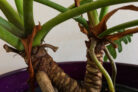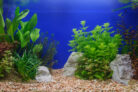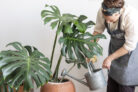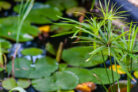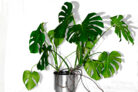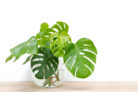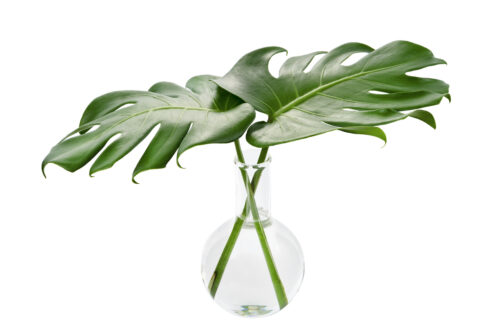
The Swiss Cheese Plant (Monstera deliciosa) isn’t just a stunning houseplant that turns any room into a tropical jungle—it’s also the ultimate sidekick for your aquarium. By letting its aerial roots dip into the tank, you’re essentially setting up a natural water filter. Trust me, your fish and your Monstera will both thank you for this clever little hack.
Why Monsteras and Aquariums are a Match Made in Heaven
If you have an aquarium, you need a Monstera, and if you have a Monstera, you might just want to get some fish! Here’s the deal: Monsteras grow aerial roots specifically to hunt for moisture and nutrients. Aquarium water is packed with nitrates, which act like a superfood for your plant. While your Monstera craves those nitrates, they can actually be toxic to your fish if levels get too high. It’s a win-win situation.
How to Set Up This Green Partnership
- Place your Monstera right next to your aquarium.
- If you have a large tank, you can even mount a crossbar or shelf above it to sit the plant on.
- Gently guide the aerial roots into the water. Just make sure the leaves themselves stay dry and above the surface.
Over time, those roots will grow into a dense, fine network that sucks up nitrates and converts them into nitrogen for growth. Plus, your fish will love it! The root system provides a perfect natural hiding spot and a cozy place for them to spawn. If you test your nitrate levels after about two months, you’ll be amazed at how much they’ve dropped.
What’s in it for the Monstera?
The plant gets a huge boost from this setup, and not just from the nitrate buffet. You’ll probably notice you don’t have to water your Monstera nearly as often. However, don’t ditch the fertilizer entirely—keep up with your regular feeding routine to keep the foliage lush.
When a Monstera is this happy, it might even surprise you with flowers and, eventually, fruit. Monstera deliciosa fruit grows to about 8 inches long and is totally edible once ripe. The scales peel off easily, and the fruit inside tastes like a delicious mix of banana and pineapple. Talk about a tropical reward!