If you’re lucky enough to have a garden, chances are there’s a rose bush (or five!) taking center stage. Roses are the ultimate garden classic, and for good reason—they’ve fascinated gardeners for centuries. To make sure your roses stay happy and healthy for years to come, I’ve put together a quick guide on how to treat them right.
Watering Your Bedding Roses
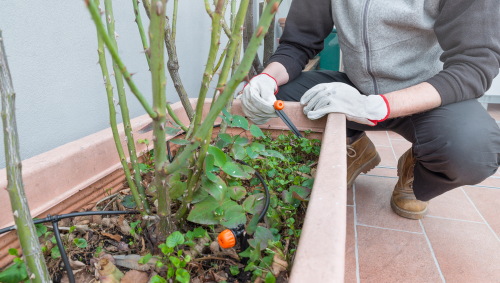
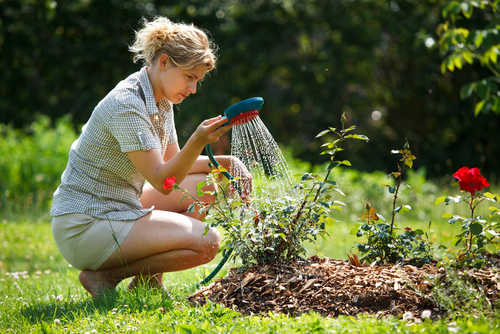
Here’s some good news: roses are actually pretty self-sufficient when it comes to water. Because they are deep-rooted plants, they can usually reach moisture far underground on their own. However, if you’re dealing with a major dry spell or a heatwave, they’ll need a little help from you. Here’s the best way to water them:
- Always water directly at the base/roots.
- Avoid “overhead” watering—keep those leaves dry to prevent disease!
- Only water during periods of extreme drought.
- Keep a closer eye on roses in pots, as they dry out much faster than those in the ground.
Fertilizing for Success
While roses are low-maintenance with water, they are definitely “heavy feeders” when it comes to nutrients. Most garden soil just doesn’t have enough “oomph” to keep a rose blooming its best, so they’ll rely on you for a boost.
The best times to fertilize are late March and again in late June. You can use a standard rose fertilizer or a general-purpose granular fertilizer. If you prefer the organic route, well-aged compost or manure works wonders. If you’re growing bedding roses in containers, a liquid fertilizer is usually your best bet for quick absorption.
One golden rule: more isn’t always better. Over-fertilizing can actually do more harm than good, so it’s better to be a little stingy than to overdo it. Also, make sure to stop all fertilizing by July. This allows the plant to stop producing new, tender growth and start hardening off for the winter.
Pruning Like a Pro
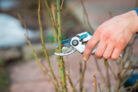
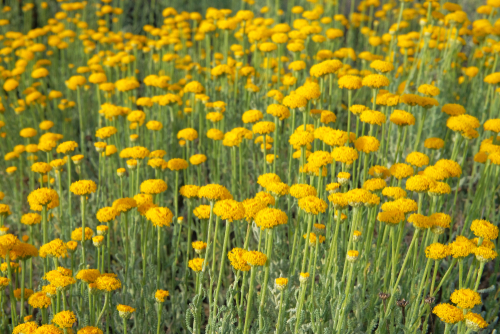
If you want a spectacular show of blooms every year, you’ve got to get comfortable with your pruning shears. The best time to prune is early spring, right before the plant starts its big growth spurt. A great rule of thumb? When the Forsythia bushes in your neighborhood start blooming, it’s time to prune your roses.
Start by cutting away any dead, weak, or damaged wood. Then, take your healthy stems and cut them back by about half. You’ll also want to look for old, woody main stems near the base—removing a few of these helps the plant rejuvenate and grow fresh new shoots. Just be careful not to prune away all of last year’s wood! A good, strategic trim ensures your rose stays healthy and puts all its energy into those gorgeous flowers.