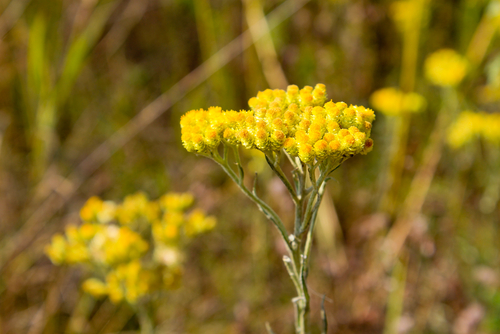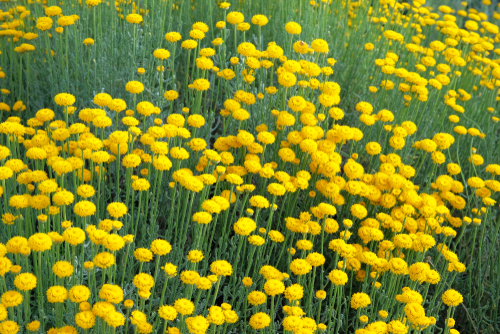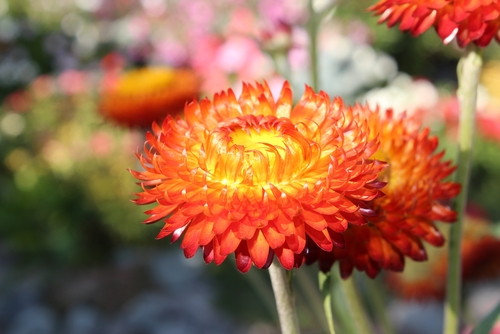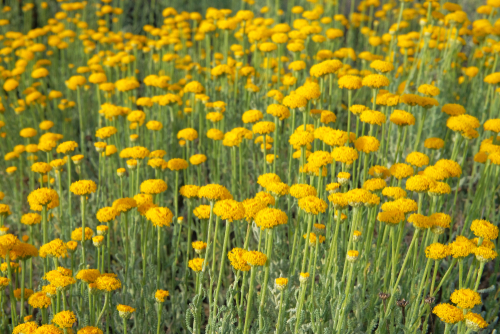
When it comes to taking care of strawflowers, there isn’t a one-size-fits-all rulebook. That’s mostly because there are over 600 different species out there, hailing from everywhere from the chilly corners of Scandinavia to the sunny spots of Southern Europe. However, if you want these beauties to really thrive in your garden, a little TLC goes a long way.
Finding the Perfect Spot
Success with strawflowers starts with picking the right location. To keep them happy, look for a spot in your garden that offers:
- Full sun
- Loose, well-draining soil
- Plenty of nutrients
If your garden has heavy or compacted soil, don’t worry—you can easily fix that by mixing in some sand to improve drainage. I also highly recommend enriching the area with some compost and horn shavings before you start planting to give them a healthy head start.
Watering and Feeding
Right after you get them in the ground, you’ll want to keep the soil consistently moist. This is crucial for the first few weeks while the root system is getting established. Once they’ve settled in, strawflowers are pretty low-maintenance; you’ll really only need to water them during those extra-dry summer stretches.
For that lush, “wow-factor” growth, a little fertilizer is your best friend. From June through October, try adding some liquid fertilizer to your watering can every two weeks. If you’re growing perennial varieties, you can take it even easier—just mix in some fresh compost every two to three months or use a standard garden fertilizer on the same schedule.
Pruning Your Strawflowers
Pruning is another key part of keeping your strawflowers looking their best. If you have perennial types, you’ll want to cut the entire plant back to ground level in the fall and give it a cozy winter mulch of leaves or brush. Come springtime, a quick rejuvenation prune can help jumpstart new growth.
One last pro tip: get into the habit of “deadheading” (removing wilted flowers) throughout the season. This encourages the plant to put its energy into producing even more gorgeous blooms!