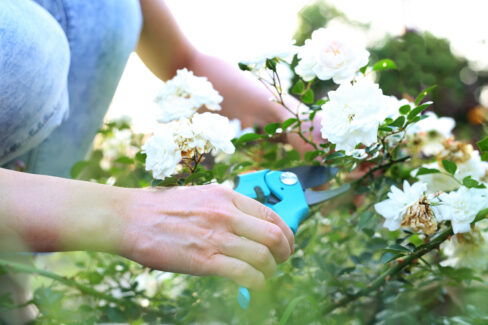
If you’ve got once-blooming climbing roses in your garden, the best time to grab your shears is right after those beautiful blossoms fade. Pruning at this specific moment is the secret to keeping your plant healthy and ensuring a spectacular flower show next summer. Here’s everything you need to know to get it right.
What to Keep in Mind Before You Start
Pruning isn’t a “one size fits all” task. While repeat-blooming roses need attention throughout the season, once-bloomers only need one good trim per year. By pruning immediately after the flowering cycle ends, you help the plant stop wasting energy on old, wilted blooms and redirect that power into new growth.
Here’s your quick pre-pruning checklist:
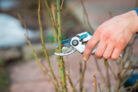
- Use sharp, sanitized bypass pruners to prevent crushing the stems or spreading disease.
- Always make your cuts at a slight angle so water runs off.
- Cut just above a bud (eye).
- Make sure the rose is still securely tied to its trellis or support.
Which Canes Should You Cut?
When you head out to prune your climbing roses after they’ve bloomed, you’re doing more than just “deadheading” (removing old flowers). You’re giving the whole plant a little refresh. Start by clearing out any dead wood or diseased canes—if you see something that looks brittle or sickly, snip it back until you hit healthy, green wood.
You should also look for “crisscrossing” canes. If two branches are rubbing against each other or growing inward, prune them back to open up the plant. Once you’re finished, double-check your ties. You want to make sure your rose is well-supported at its spot in the garden so it can continue to climb toward the sun.
Don’t be afraid to be a little bold with your shears! Proper pruning actually stimulates growth rather than hurting the plant. By timing your trim right after the blooms fade, you’re working with the rose’s natural growth cycle, giving it plenty of time to develop the new wood that will carry next year’s flowers.