
Flowering hedges are a total game-changer for your yard. By mixing lush foliage, vibrant blooms, and colorful berries, they create a privacy screen that’s way more exciting than a standard fence. Ready to add some curb appeal? Let’s dive into some of the best flowering shrubs for your hedge, including a little “insider tip” at the end!
[[pflanzen]]
++Weigela (Weigela florida)
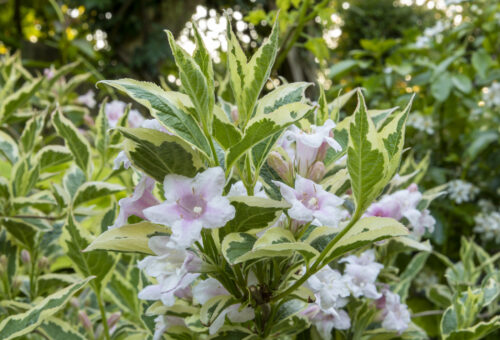
Originally from East Asia, Weigelas are absolute showstoppers that burst into white to pale pink blooms starting in late April. One of the best things about them? They often have a “second act” in the fall, with new buds opening up later in the season. These shrubs are tough as nails and super adaptable. They’ll be happy in full sun or partial shade and aren’t picky about soil, as long as it isn’t super compacted or prone to standing water.
++Common Lilac (Syringa vulgaris)
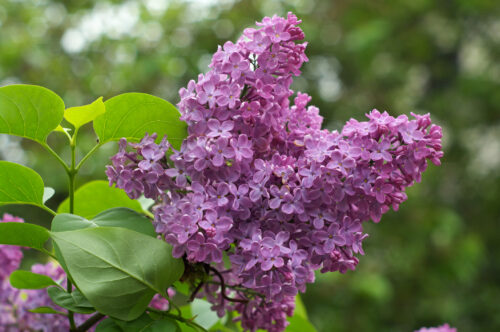
Lilacs have been a garden staple for centuries, and for good reason! In May, these shrubs produce long, heavy clusters of flowers that smell absolutely heavenly. Lilacs are incredibly hardy and can handle wind and cold like a pro. Since they don’t like to be “loners,” they work beautifully in a mixed flowering hedge. For a really stunning look, try planting a lilac hedge using a mix of different colors.
++Slender Deutzia (Deutzia gracilis)
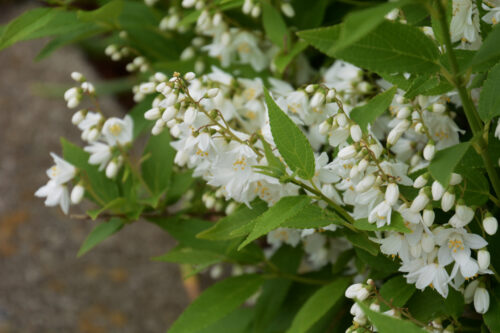
A member of the hydrangea family, this shrub grows into a dense, bushy mound with plenty of branches. During May and June, it’s covered in countless tiny white flowers that grow in clusters about 2 to 4 inches long. They have a lovely, subtle sweetness to their scent. While this low-maintenance shrub can grow almost anywhere, keep in mind that you’ll get way more flowers if you plant it in full sun.
++Ninebark (Physocarpus opulifolius)
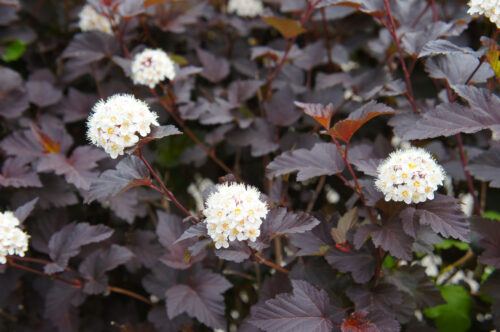
Ninebark is a double threat: it has beautiful white-to-pink flower clusters and stunning foliage. You can find varieties with deep burgundy, lime green, or even golden-yellow leaves. Bees and other pollinators absolutely love Ninebark because it provides plenty of food starting in late May. It’s very adaptable to different soil types and thrives in most garden spots.
++Mock Orange (Philadelphus coronarius)
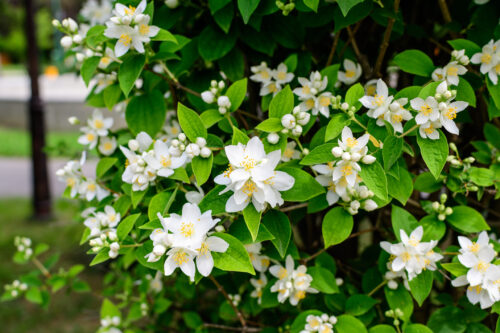
If you love a fragrant garden, this is the one for you. It’s often called “Sweet Mock Orange” because of its intense, citrus-like scent. As the plant matures, its branches arch gracefully toward the ground, making it a perfect choice for a privacy screen. In late May, it’s covered in creamy white flowers that attract tons of beneficial insects. It’s easy to prune, winter-hardy, and very forgiving with different soil types.
++Forsythia (Forsythia x intermedia)
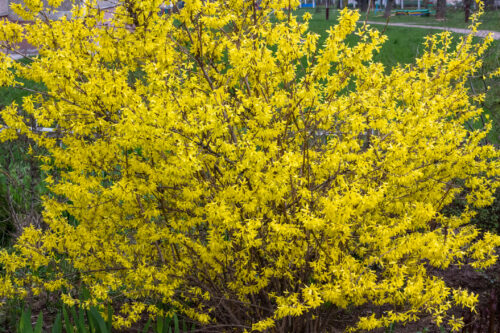
Nothing says “spring is here” like the bright gold of a Forsythia hedge. As early as mid-March, those iconic yellow bells appear on the older branches—the leaves don’t even show up until the flowers are done! To get that maximum “wow” factor, plant them in full sun; they won’t bloom nearly as well in the shade. Forsythia hedges can handle a heavy pruning and grow well in just about any soil.
++Barberry (Berberis)
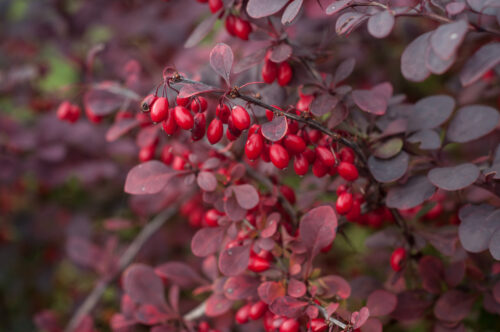
Barberries bring a lot to the table. Beyond their bright yellow flowers, they offer edible red or purple berries and incredible fall colors. Even evergreen barberry hedges, which provide year-round privacy, often change color in the winter. They are very low-maintenance. Just remember: evergreen varieties prefer partial shade, while the deciduous ones love to soak up the sun.
%%Bladder Senna (Colutea arborescens)
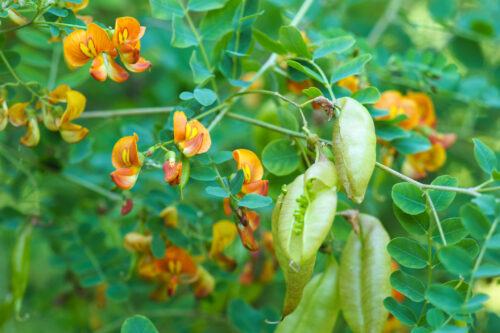
Here’s our “pro tip” for something a little different! This shrub stands out because of its exotic-looking, 3-inch long seed pods that look like little inflated bladders. Before the pods appear, the shrub is covered in bright yellow, pea-like flowers from May through August. These are a favorite for bees and bumblebees. Bladder Senna likes a sunny, sheltered spot and is totally fine with poor or nutrient-weak soil.