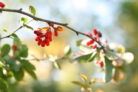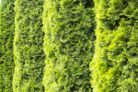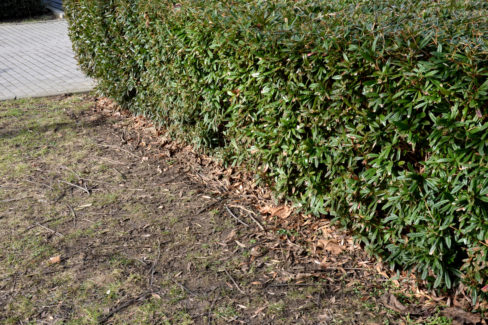
Evergreen barberries are a fantastic choice if you’re looking to design a hedge that stands out. They don’t just offer gorgeous green (and sometimes even colorful!) foliage; their biggest selling point is that they stay thick and lush all year long. While there are many varieties out there, a few specific types really shine when it comes to hedge-building.
The Perks of Evergreen Barberry Hedges
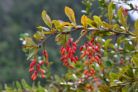
The benefits of an evergreen barberry hedge are pretty clear: since these varieties don’t drop their leaves when the weather turns cold, you get a reliable, year-round privacy screen. This makes them a go-to option for gardeners who want to keep their backyard feeling private even in the dead of winter. Plus, some varieties put on a spectacular show in the fall, with leaves turning vibrant shades of yellow and red, adding a nice pop of color to your landscape.
Top Evergreen Barberry Varieties for Hedges
Not every evergreen barberry is a perfect fit for a hedge, but these five are tried-and-true favorites:
- Wintergreen Barberry (Berberis julianae): This one can reach up to 10 feet tall and features long, sharp thorns—perfect for a security hedge.
- Lanceleaf Barberry (Berberis gagnepainii var. lanceifolia): Growing up to about 6.5 feet, this variety treats you to beautiful reddish foliage during the winter months.
- Rosemary Barberry (Berberis stenophylla): A fast grower that can hit 10 feet tall, adding up to 20 inches of new growth every single year.
- Warty Barberry (Berberis verruculosa): Topping out at around 5 feet, this compact shrub is ideal for lining paths or driveways.
- Small-Leaved Barberry (Berberis stenophylla): A versatile mid-sized option that usually stays between 5 and 6.5 feet tall.
Flowers and Berries: A Treat for Wildlife
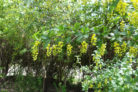
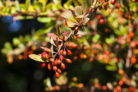
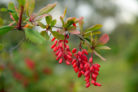
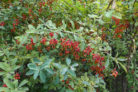
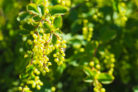
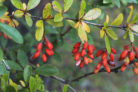
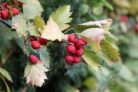
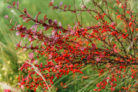
In the springtime, evergreen barberries burst into bloom with bright yellow flowers that are a magnet for bees and other pollinators. Once those flowers are pollinated, they turn into small, round red berries. These berries are a vital food source for local birds, which is great for your backyard ecosystem! Just a heads-up for the humans, though: most evergreen barberry fruits are mildly toxic, so they aren’t meant for snacking.
Keeping Your Hedge in Shape
If you have a fast-growing barberry hedge, you’ll want to give it a little trim once a year. Pruning helps encourage fresh new growth and keeps the foliage looking dense and well-branched. It’s the best way to ensure your green wall stays looking its absolute best!