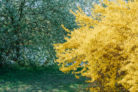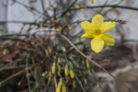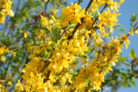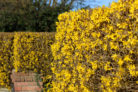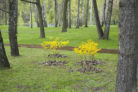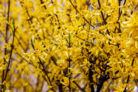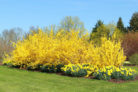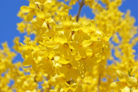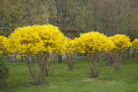
When those bright yellow Forsythia blooms pop up in early spring, you know winter is officially over! But if you want your bushes to stay that vibrant and lush year after year, you’ve got to do more than just water them—proper pruning is the secret sauce.
Do I really need to prune my Forsythia regularly?
Forsythias are famous for being tough and low-maintenance, but here’s the catch: if you don’t prune them, they stop blooming. They tend to get “leggy” and old quite fast. I recommend giving them a trim at least every three years, though once a year is even better if you want that “wow” factor every spring. Once they’re pruned, all they need is plenty of sun, water, and some nutrients to thrive.
When is the best time to prune?
The golden rule is to prune your Forsythia right after the blooming period ends, just before the new growth really takes off. This is the safest time to do it because you can’t really mess it up! Next year’s flowers grow on the wood that develops during the current summer. By pruning right after the flowers fade, you’re giving the plant plenty of time to grow the branches that will carry next year’s yellow bells.
What about Forsythia hedges?
If you’re using Forsythia as a privacy hedge, you probably want it nice and thick by late spring or early summer so you can enjoy your backyard in peace. Pruning in May or early June might leave your hedge looking a bit thin right when you need it most.
In this case, you can wait about four weeks longer to trim your Forsythia hedge. Just be a bit more careful not to over-prune. A pro tip: mark the branches you want to keep with a little string so you don’t accidentally snip off next year’s flower buds!
What should I keep in mind while cutting?
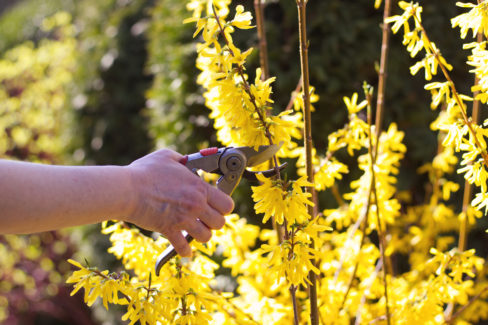
Your approach depends on whether you’re just doing a quick “maintenance trim” or a full rejuvenation prune. For a yearly maintenance cut, just thin out the center to let light in, remove any old or diseased wood, and shape the bush. That’s usually all it takes.
One quick safety note: Forsythia is considered mildly toxic. While serious reactions are rare, it’s always a smart move to wear gardening gloves—especially if you have sensitive skin or a lot of bushes to get through. And of course, always use sharp, clean bypass pruners for the best results.
Can I prune in the fall if I forgot to do it in the spring?
Technically, yes, you can do a fall pruning, but you have to be extra careful. If you’re too aggressive, you’ll end up with no flowers next spring. Stick to cutting back only the old wood that clearly didn’t grow this year. You can do a light shaping to keep it looking tidy, but don’t go overboard.
What happens if I skip pruning for a few years?
If you miss a year, don’t panic. Your Forsythia might look a little wild and the blooms might be a bit thinner next spring, but it’ll survive. The problem is that the plant only puts out heavy blossoms on the fresh wood from the previous summer; the old branches will eventually just stay bare.
Over time, a neglected Forsythia gets “lazy.” After several years without a haircut, it might stop blooming entirely or just show a few yellow spots here and there. The branches get brittle and the plant looks woody and old. If that happens, it’s time for a “rejuvenation cut,” which means cutting the whole thing back quite drastically.
Can Forsythia handle a radical “hard” prune?
The good news is that Forsythias are very resilient and can handle a radical pruning (cutting it back near the ground). However, keep in mind that the plant will need time to recover. It’s very likely that the bush won’t bloom—or will only bloom very sparsely—for a year or two while it regrows its strength.
The Quick Takeaway:
- Regular pruning is best, ideally once a year.
- Aim to prune at least every three years.
- The best time is right after the flowers fade.
- Pruning at the wrong time can mean no flowers next year.
- Radical pruning works for old, overgrown bushes, but use it as a last resort.
- Focus on removing the oldest branches first.
Pro Tip: Forsythia is one of those unique shrubs where timing really is everything. Get the timing right, and you’ll be rewarded with a spectacular yellow show every single year!