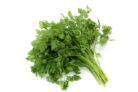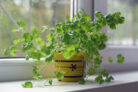
Freezing is one of the best ways to keep your homegrown harvest fresh, and if you’re a fan of that bright, zesty kick in Asian dishes, you know you can never have too much cilantro. If your garden is currently overflowing with herbs, don’t let them go to waste! Freezing cilantro is super easy and preserves that bold flavor. Here’s how to do it right.
Why Freeze Your Herbs?
Freezing works by stopping bacteria in its tracks and slowing down the enzymes that cause food to spoil. The trick is to freeze things as quickly as possible. If the freezing process is too slow, large ice crystals form, which can puncture the cell walls of the plant and leave you with a mushy mess once it thaws.
Step-by-Step Guide to Freezing Cilantro
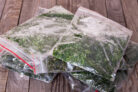
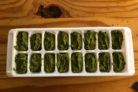
You can freeze cilantro in freezer bags or portion it out using an ice cube tray. Here’s the best way to prep it:
- First, look through your fresh sprigs and pick out any wilted or yellowing leaves.
- Give the stems a good rinse and pat them completely dry with a kitchen towel or paper towel.
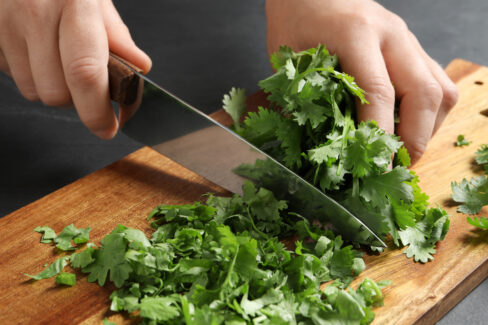
- Chop the sprigs up using kitchen shears or a sharp knife.
- Pro tip: Spread the chopped leaves out on a large plate or baking sheet first.
- Pop that tray into the freezer for about 2-3 hours. This “flash freezing” step ensures the leaves don’t clump together into one big frozen block.
- Take the leaves out and transfer them into a freezer bag, or place them into an ice cube tray with about 50 ml of water.
- Don’t forget to label the bag with the date and contents before sealing it tight and putting it back in the freezer.
Try to get from harvest to freezer as fast as you can to lock in that signature aroma. For the best flavor, use your frozen cilantro within about 6 months. Those little herb ice cubes are perfect for dropping straight into soups, curries, and sauces!
Freezing Cilantro with Olive Oil
If you want to level up, try freezing your cilantro in high-quality olive oil instead of water. Just fill your ice cube tray with the chopped herbs and top them off with the oil. I recommend sticking to olive oil for this—avoid oils like flaxseed or sunflower oil, as they often have lower freezing points and might not solidfy properly in a standard home freezer.