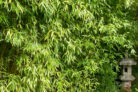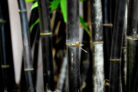
Believe it or not, you can actually grow Giant Bamboo (Latin name: *Dendrocalamus giganteus*) right in your own backyard! While it’s a tropical native, it holds its own in cooler climates, typically reaching about 50 feet tall. If you give it the perfect “VIP treatment,” it can soar up to 65 feet and live for a solid 40 years.
Finding the Perfect Spot for Your Giant Bamboo
As one of the most exotic-looking bamboo varieties out there, Giant Bamboo is a total favorite for gardeners looking to add some tropical flair. It’s surprisingly low-maintenance, but if you want to see that impressive growth, you’ve got to pick the right spot before planting. Here’s what this big guy craves:
- As much sun as possible
- At least partial shade if full sun isn’t an option
- Loose, nutrient-rich soil
- Consistently moist soil (but make sure it’s not sitting in a swampy puddle!)
Keep in mind that this bamboo doesn’t just grow up—it grows out. You’ll want to set aside at least 160 square feet of space for it. Since Giant Bamboo spreads quickly via underground rhizomes, I highly recommend installing a root barrier (rhizome barrier) to keep it from taking over your entire lawn.
How to Care for Giant Bamboo
The golden rule for Giant Bamboo? Keep it hydrated! This plant is a thirsty one and needs regular watering all year round—yes, even during the winter. During the heat of the summer, you’ll need to step it up; on those scorching days, a drink in both the morning and evening is best. A pro tip: if you see the leaves starting to roll up, that’s your bamboo’s way of telling you it’s parched.
When it comes to feeding, you don’t need to go overboard. Mixing some mature compost into the soil when you first plant it is usually plenty. Horse manure is another fantastic organic option that bamboo loves. In the following years, just top it off with a little compost now and then. Be careful not to over-fertilize, though—too much of a good thing can actually turn the leaves yellow.
Can Giant Bamboo Handle the Winter?
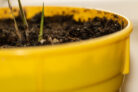
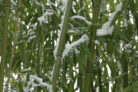
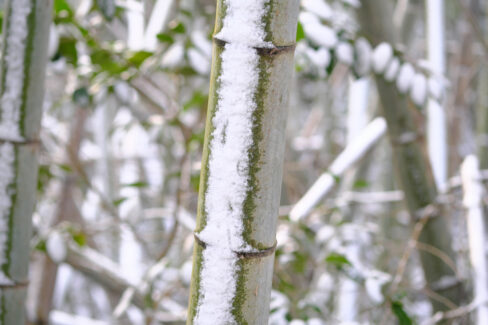
Good news: Giant Bamboo is surprisingly hardy and can handle temperatures dropping down to about 5°F (-15°C). However, it’s a bit more sensitive when it’s young. For the first few years, it’s a smart move to protect the roots with a thick layer of mulch, dry leaves, or brushwood. If you’re starting from seed or small cuttings, I’d definitely recommend keeping it indoors for at least the first winter until it’s strong enough to face the elements.