Giant Allium (*Allium giganteum*) is a total showstopper in the garden, and just like its smaller cousins, it’s a fantastic addition to any landscape. If you want those massive, head-turning purple blooms to pop this summer, there are a few tricks to getting them started right.
Finding the Perfect Spot
Picking the right location is key. If your Giant Allium is happy where it’s planted, it’ll reward you with impressive height and those iconic, globe-like flowers.
Sun and Warmth
Think of Allium giganteum as a sun-worshipper. It thrives in warm, sunny spots. While it can usually handle a bit of partial shade, you definitely want to avoid full-shade areas if you want those big blooms.
Well-Draining Soil
These bulbs prefer soil that is loose and on the drier side. If your garden soil is a bit heavy or holds too much water, don’t worry—you can easily fix that by mixing in some sand or gravel to loosen things up.
The one thing Alliums hate is “wet feet” (standing water). To prevent rot, make sure to create a drainage layer at the bottom of your planting hole using gravel or expanded clay pebbles.
When to Get Digging
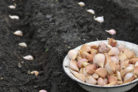
The best time to plant your bulbs is in the fall, typically between September and November. Aim for a mild, frost-free day. This gives the Allium plenty of time to establish roots before the ground freezes, ensuring it’s ready to sprout in the spring. Generally, the earlier you get them in the ground in the fall, the sooner you’ll see those first green shoots in the spring.
Depth and Spacing
You’ll want to dig your planting hole about 8 inches (20 cm) deep. Also, give these giants some breathing room! Space your bulbs about 12 inches (30 cm) apart so they aren’t competing for nutrients and have plenty of space to show off.
Mixing and Matching with Garden Pals
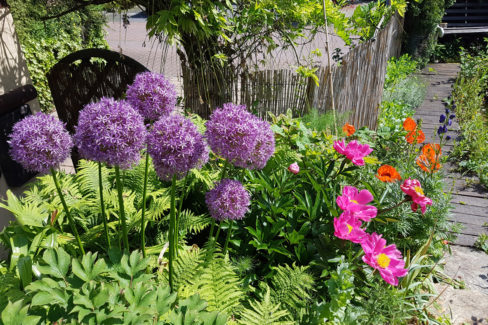
One of the best things about Giant Allium is how well it pairs with other plants. This is actually a pro tip: Allium leaves tend to wither and turn brown before the flower even finishes blooming. By planting them among other greenery, you can hide those messy leaves perfectly.
Since Giant Allium can tower up to 5 feet tall, you’ll want to pair it with plants that can hold their own. Tiny groundcovers might get lost in the shadows, so look for companions that enjoy similar conditions.
Great neighbors for Giant Allium include:
- Ornamental grasses
- Sun-loving herbs like oregano or lavender
- Peonies or shrub roses