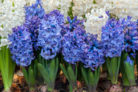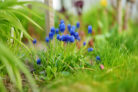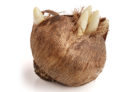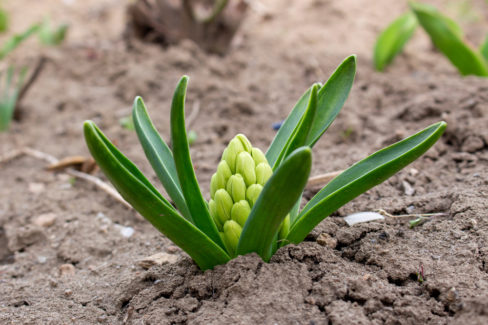
The hyacinth bulb is the powerhouse behind those stunning, fragrant blooms we all love. If you want to keep your hyacinths coming back year after year, knowing how to handle and store them is key. I’ve rounded up 4 cool facts about hyacinth bulbs that will help you master everything from buying to long-term care.
4 Must-Know Facts About Hyacinth Bulbs
Who knew so much personality was packed into that little brown bulb? Check out these interesting traits:
Hyacinths actually crave the cold
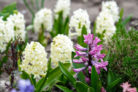
Hyacinths aren’t just hardy; they actually *need* a cold snap to thrive. In the gardening world, we call this “stratification.” Without a period of icy temperatures, the bulb won’t be able to produce a new flower next season. This means you can leave your hyacinths right in the garden bed over the winter. If you’re growing them indoors or live in a warm climate, you’ll have to “cheat” and give them a cold treatment yourself (the refrigerator works wonders for this!).
Size really does matter
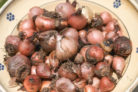
You can find hyacinth bulbs in stores almost year-round, but if you want those massive, show-stopping flower spikes, keep an eye out for the biggest bulbs in the bin. A larger circumference usually guarantees a much fuller bloom.
Pro tip: The size of the bulb also tells you how deep to plant it. Small bulbs only need about 2 inches of soil on top, while the big guys should be buried about 4 inches deep.
Meet the “offsets” (Baby Bulbs)
Whether they’re in the ground or in a pot, hyacinth bulbs love to multiply by growing little offshoots called “bulblets” or offsets. When you dig up a main bulb, you’ll see these smaller ones clinging to the side. If you carefully snap them off, you can plant them elsewhere to grow your collection! You can pop them in a new spot in the garden or even try starting them in a glass.
Just a heads-up: Wear gloves! Hyacinth bulbs contain oxalic acid, and the sap can cause a nasty, itchy skin irritation often called “hyacinth itch.” Trust me, your hands will thank you.
Growing hyacinths in water
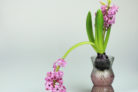
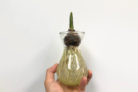
Did you know there are special “hyacinth glasses” designed just for these flowers? They look a bit like an hourglass. You fill the bottom with water and rest the bulb in the top cradle so it sits just above the water line. It’s super fun to watch the roots grow and reach down—no soil required! This isn’t a new trend, either; our grandmothers used this exact method to bring a bit of spring color indoors during the winter.