After a warm spring, currants usually start ripening by late June. Depending on the variety you’ve got in your garden, you could be picking fruit all the way through August. Here’s everything you need to know to get the most out of your harvest.
When is currant harvesting season?
The exact timing for picking currants depends on which variety you’re growing. Generally, we group them into three types:
- Red,
- White, and
- Black currants.
Red and white currants usually ripen around the same time, starting in late June. Black currants are the late bloomers of the family, with their harvest season typically kicking off in mid-to-late July. I recommend checking your bushes about twice a week. The berries ripen gradually, and you don’t want to leave them hanging too long—they’ll actually start losing their signature flavor. Pro tip: Pick them on a sunny morning once the dew has dried. If you harvest them while they’re wet, they’ll spoil much faster.
How to tell when currants are ripe
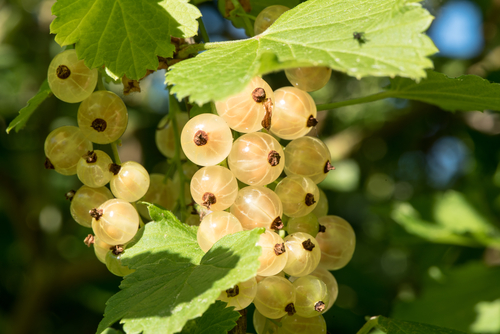
It’s actually pretty easy to spot a ripe currant! First, look for a deep, even color—whether that’s red, white, or black. Since currants grow in clusters (called “strigs”), you want to make sure all the berries on a single stem are fully colored.
Ripe berries should look plump and be significantly larger than the green, unripe ones. If they’re starting to look shriveled, you’ve waited a bit too long. A great test is to give a cluster a gentle touch; if they’re ready, they should almost fall into your hand. If you feel any resistance, give them another day or two.
When in doubt, do a taste test! A ripe currant is juicy with a perfect sweet-tart balance. Black currants will also have that distinct, slightly musky, earthy flavor.
The right way to harvest
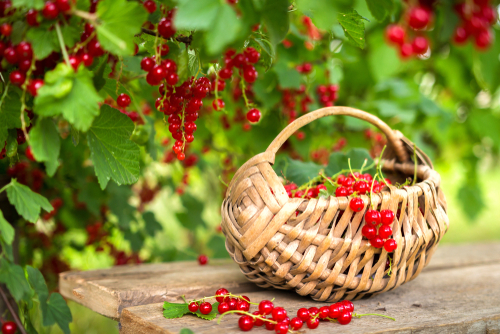
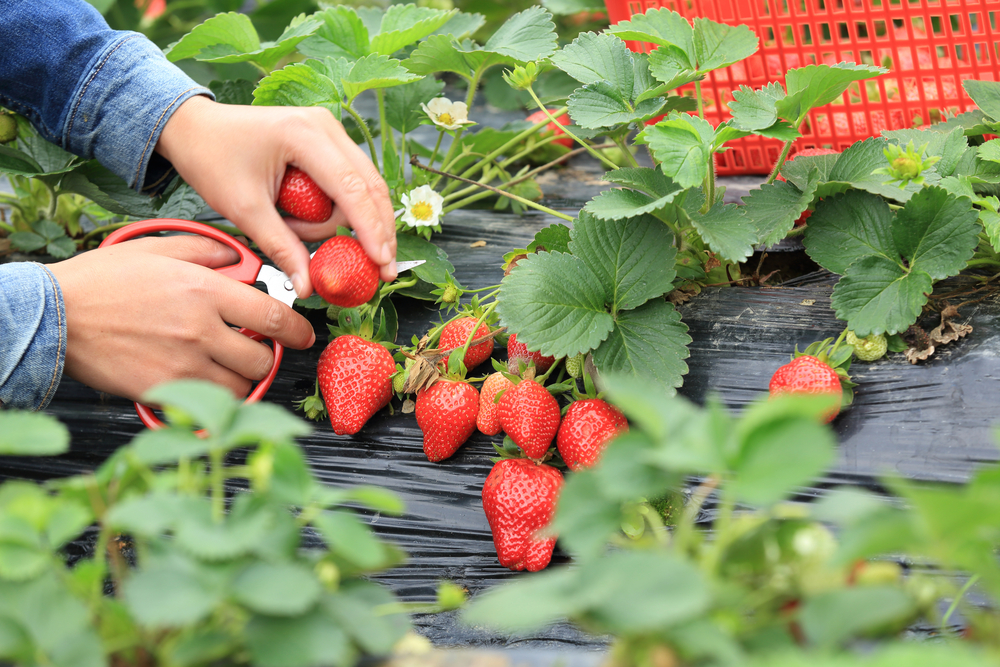
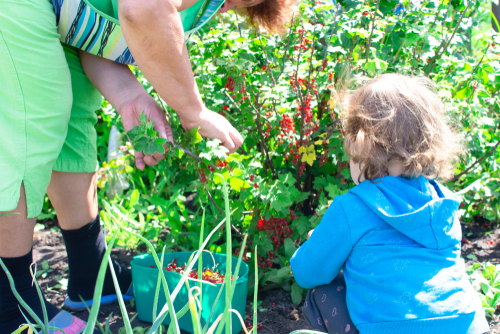
As I mentioned, you want to pick currants by the entire cluster rather than individual berries. Be gentle—these little guys are delicate! It’s best to place them in a shallow basket or container. Try not to stack them too deep; you don’t want the weight of the top berries crushing the ones on the bottom.
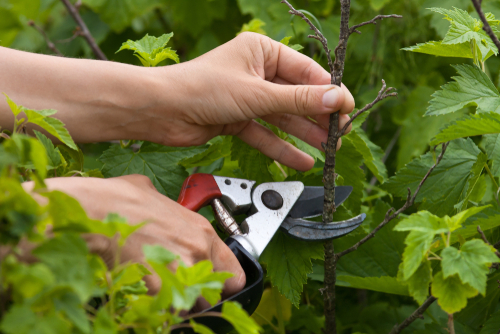
To avoid bruising or tearing the skins, I like to use a pair of garden snips or scissors to cut the stem. Even a tiny nick can cause the fruit to lose moisture and spoil quickly. Once you’ve brought them inside, keep them in the fridge—but try to eat them within a few days for the best flavor!