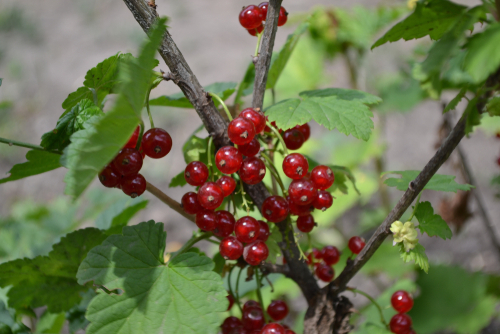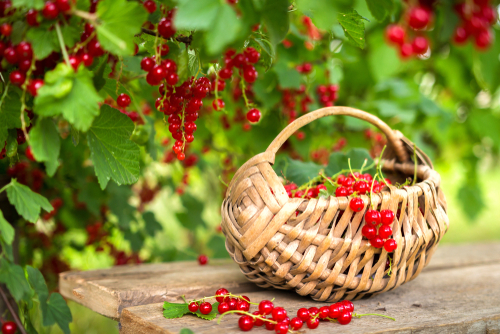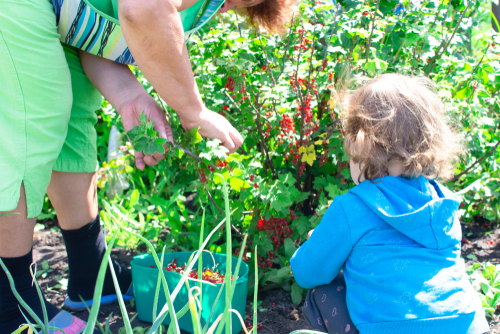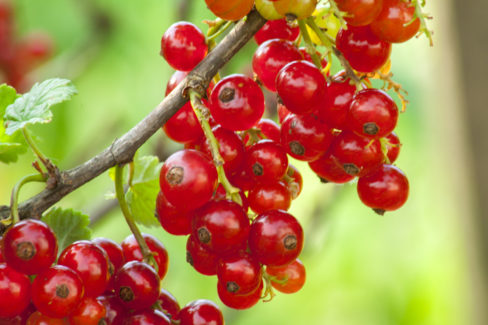
Growing currants in your own backyard is a total game-changer. Not only are they packed with vitamins, but they taste incredible right off the bush. While most people go crazy for the classic red varieties, black currants are definitely worth the garden space too. If you’re looking to add a few bushes to your landscape, here’s everything you need to know to get a great harvest.
The Best Spot and Soil for Your Currants
If you want big, juicy, and sweet berries, you’ve got to give your currants plenty of sunshine. While they *can* survive in partial shade, you’ll likely end up with tiny, super-tart fruit that’ll make your face pucker. Try to find a spot that’s sunny but also tucked away from harsh winds. As for the soil, currants are happiest when it’s:
- Loose and airy
- Well-draining
- Rich in organic matter
I always recommend mixing in some well-aged compost before planting to give them a nutritional boost. Just a heads-up: make sure the area doesn’t collect standing water, as currants really hate having “soggy feet.”
When to Get Your Currants in the Ground
The absolute best time to plant currants is in the late fall. The soil is naturally moist then, and you don’t have to worry about a sudden heatwave stressing out your new plant. If you missed the fall window, don’t sweat it! You can also plant in early spring, just be prepared to stay on top of watering while the roots get established.
How to Plant Currants: A Step-by-Step Guide
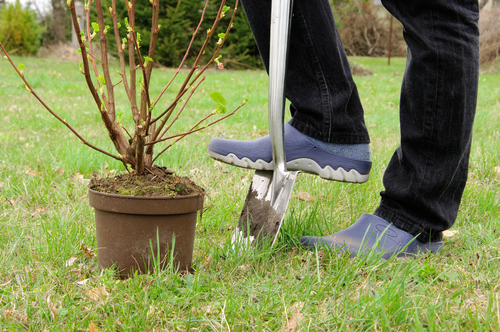
- Step 1: Dig a hole that’s plenty wide and deep enough for the root ball.
- Step 2: Mix some compost into the soil you dug out to give the plant a head start.
- Step 3: Gently loosen the root ball with your hands and set the bush in the hole.
- Step 4: Here’s a pro tip: plant them slightly deeper than they were in the pot—about two or three inches below the soil surface.
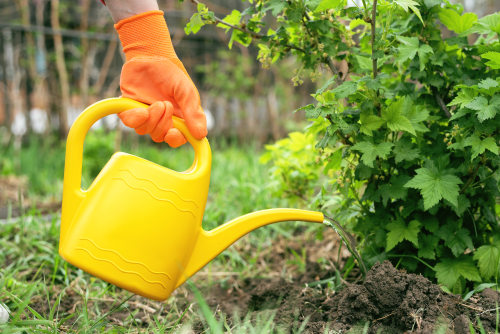
- Step 5: Fill the hole back in, press down lightly to get rid of air pockets, and give it a good, long drink of water.
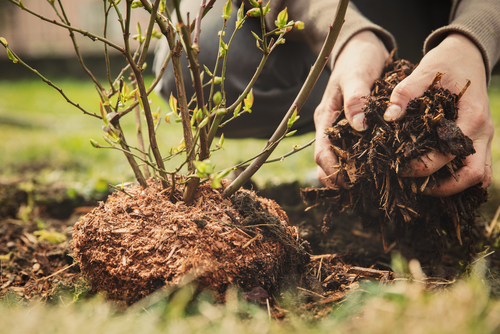
- Step 6: Spread a layer of mulch (like wood chips) around the base. This helps keep the moisture in the ground where it belongs.
A Few More Pro-Tips for Success
If you’re planning on a berry patch, make sure you give your plants some elbow room. Depending on the variety, you’ll want to keep about 5 to 6 feet of spacing between bushes. If you’re planting in rows, leave about 6 feet between the rows so you can easily walk through to prune and pick. You can usually start picking your first berries in late June, with the harvest season lasting through August. Just keep in mind that black currants usually ripen a little later than the red ones!