The Best Time to Prune Your Currants
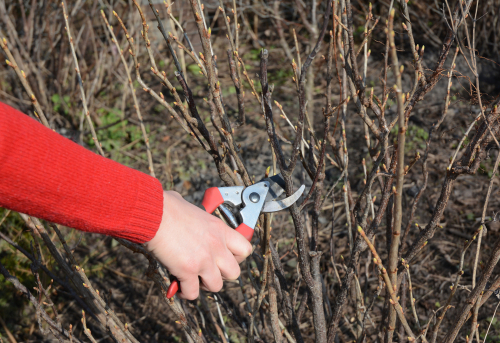
If you want a bumper crop of juicy berries, there’s one chore you can’t skip: regular pruning. I know, grabbing the shears can feel a bit intimidating, but trust me—currants actually love a heavy hand! You can prune them at a couple of different times throughout the year, but getting an early start is usually your best bet for a healthy harvest.
Spring Pruning
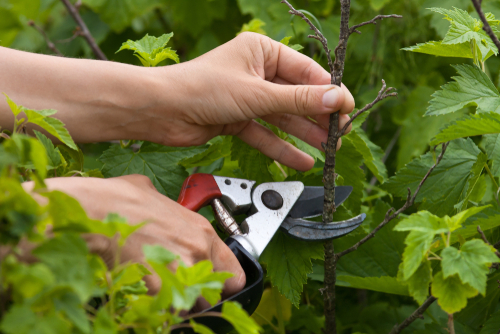
The absolute ideal time to get out there is early spring. You’ll want to prune your bushes around March, just before the first leaves start to peek out. The great thing about pruning while the branches are still bare is that it’s super easy to spot which ones are old, woody, or looking a little under the weather.
When it comes to Red and White currants, the “sweet spot” for fruit production is on two- and three-year-old wood. Once a branch gets older than that, the harvest really starts to drop off, so don’t be afraid to cut those old-timers right out. Black currants are a little different; they usually just need a light trim, with only the truly ancient branches being removed entirely.
Pruning After Harvest
Can you prune right after the harvest? Well, yes, but you have to be careful. If it’s a scorching hot summer, hold off until at least late August. Combining high heat with a major haircut can really stress your plants out. In most cases, it’s actually better to just wait until the weather cools down in the fall.
As a general rule, try to avoid any major cutting right before or immediately after picking your berries. The only exception? Sick or broken branches. If you notice signs of disease, like a fungal infection, you need to act fast—even in the middle of summer. Cutting those out immediately prevents the problem from spreading to the rest of the bush or your neighboring plants.
Fall Pruning
Fall is another great window for maintenance. You’ll follow the same basic steps as you would in the spring. Plus, fall is the perfect time to take hardwood cuttings if you want to propagate new plants for free!
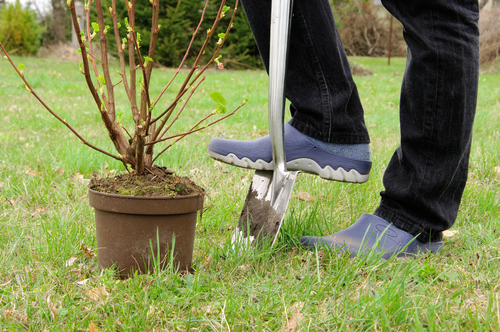
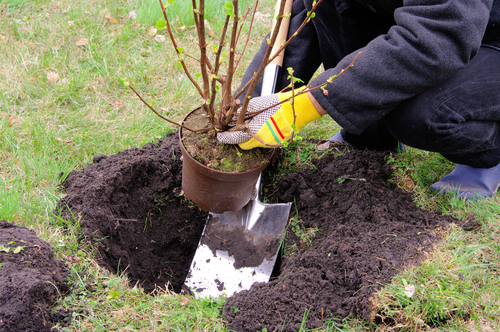
If you’re planning on adding new bushes to your garden or moving existing ones, pruning is essential. If you need to transplant older currants, try to prune them about one to two weeks before you move them. This gives the “wounds” a chance to heal before the roots get disturbed. Moving a plant usually causes some root damage, making it harder for the bush to stay hydrated. An open cut on top just adds extra stress that the plant doesn’t need while it’s trying to settle into its new home.